





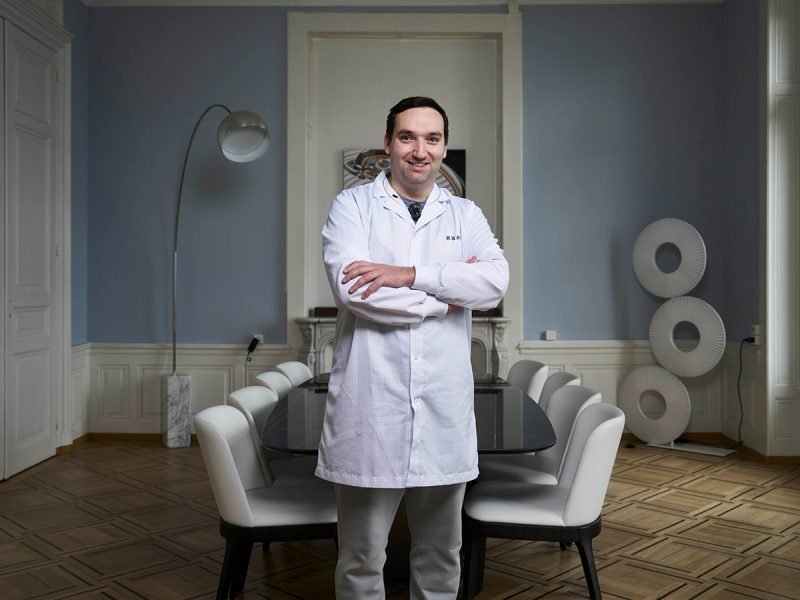

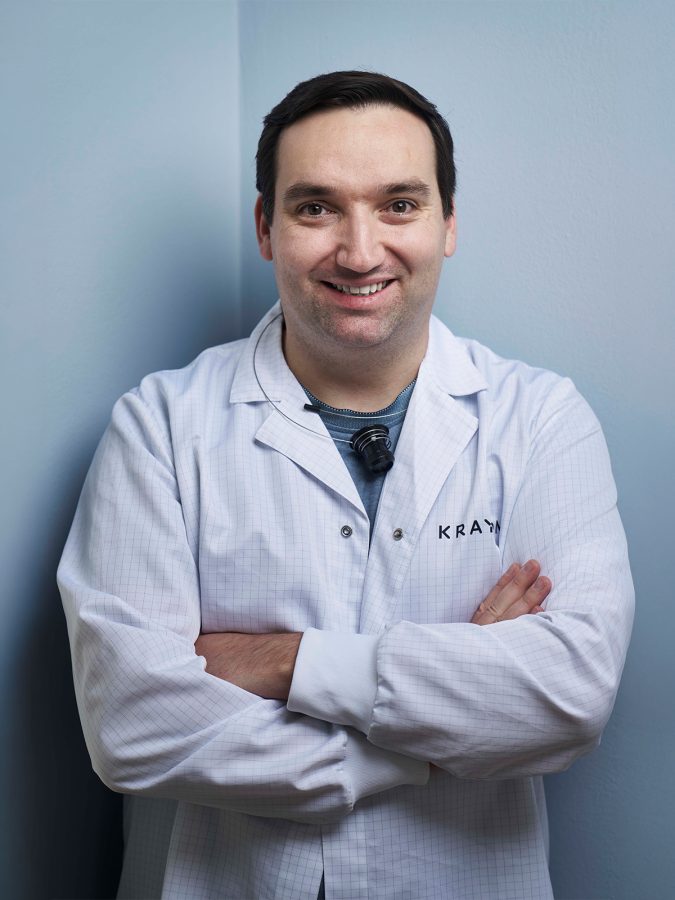
Rémi Maillat approaches watchmaking the way a surgeon steps up to the operating table. Meticulous and deliberate, the Krayon founder presides over every element, systematically inspecting the inner workings and surveying the structure for any sign of fault or defect. In Rémi’s world of barrels and gear trains, every component has its place and every decision has its consequence. But for all the discipline that defines his process, the concepts behind the Krayon founder’s award-winning timepieces rarely begin with certainty. More often than not, they appear as visions.
“At the beginning, it’s like an abstract dream. I don’t consider it possible,“ he tells me.
For a craftsperson whose watches are characterised by their mechanical certainty, that should be a surprising admission, but I’ve leaned that contradiction sits at the heart of Rémi’s work. The son of an associate professor of mathematics and a microtechnology engineer for the Swiss Laboratory of Horological Research, he was always destined for the world of applied science. Watchmaking was a natural evolution.
Six years behind the bench at Cartier’s La Chaux-de-Fonds manufacture armed Rémi with a system of precision and technology, but there was something missing. “While I was employed at Cartier, my dream was to become independent in my work,“ he explains.
Krayon, founded in 2013, was a means to that end. Conceived first as an engineering studio rather than a watchmaker, Rémi’s plan was to develop complications for other maisons, but on one fateful morning, nature had other plans. The idea that sprang from it would change his life forever.
“I enjoy diving, freediving and snorkelling especially, and the best moment for it is exact sunrise or sunset. That is the moment nature is most active,“ he tells me. “One morning, I was too early for snorkelling and I found myself dreaming about a mechanical watch that could give me the exact sunrise or sunset times, wherever I would be and wherever I could one day travel. Nearly 10 years later, I made it real.“
Dubbed ‘Everywhere’, Krayon’s debut timepiece was a watch capable of displaying the precise time of sunrise and sunset anywhere on Earth. It was, by any measure, an extraordinary feat of engineering and one that caught the attention of the global watchmaking industry. Just one year after the first Krayon watch was unveiled, Rémi secured the Innovation Prize at the Grand Prix d’Horlogerie de Genève, the ‘Oscars of Watchmaking’. It was at that point, he explains, that his focus began to shift beyond the movement itself.
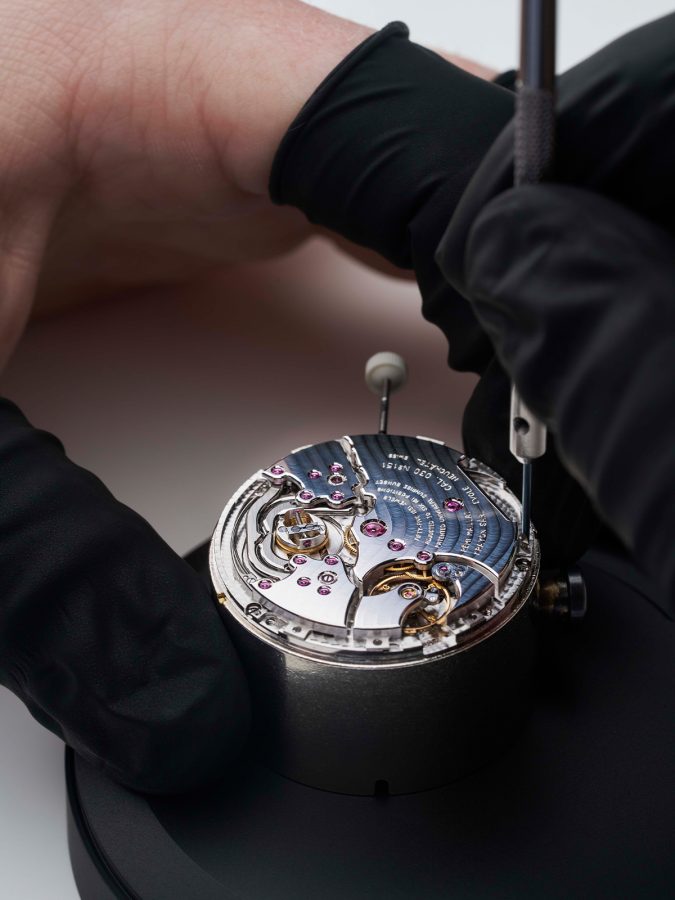
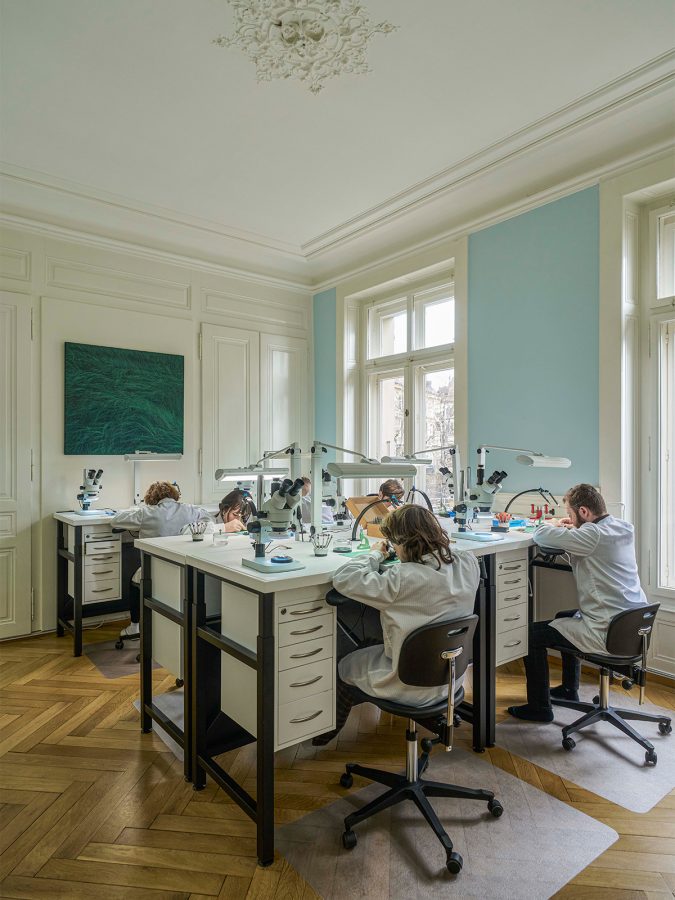
In the years that have passed, the Krayon team has grown, Rémi’s status in the industry has swelled and models such as the Anywhere and the more recent Anyday mechanical planner have achieved critical success, but the simple goal has remained steadfast: to take something inherently complex and distil it into its most human form.
Speaking from his workshop in Neuchâtel, the Krayon founder reveals the beautiful dream that led him from watchmaking engineer to industry darling. As one of the most creative minds in the industry today, his approach to innovation, intrigue and curiosity straddles the line between inspiration and obsession.
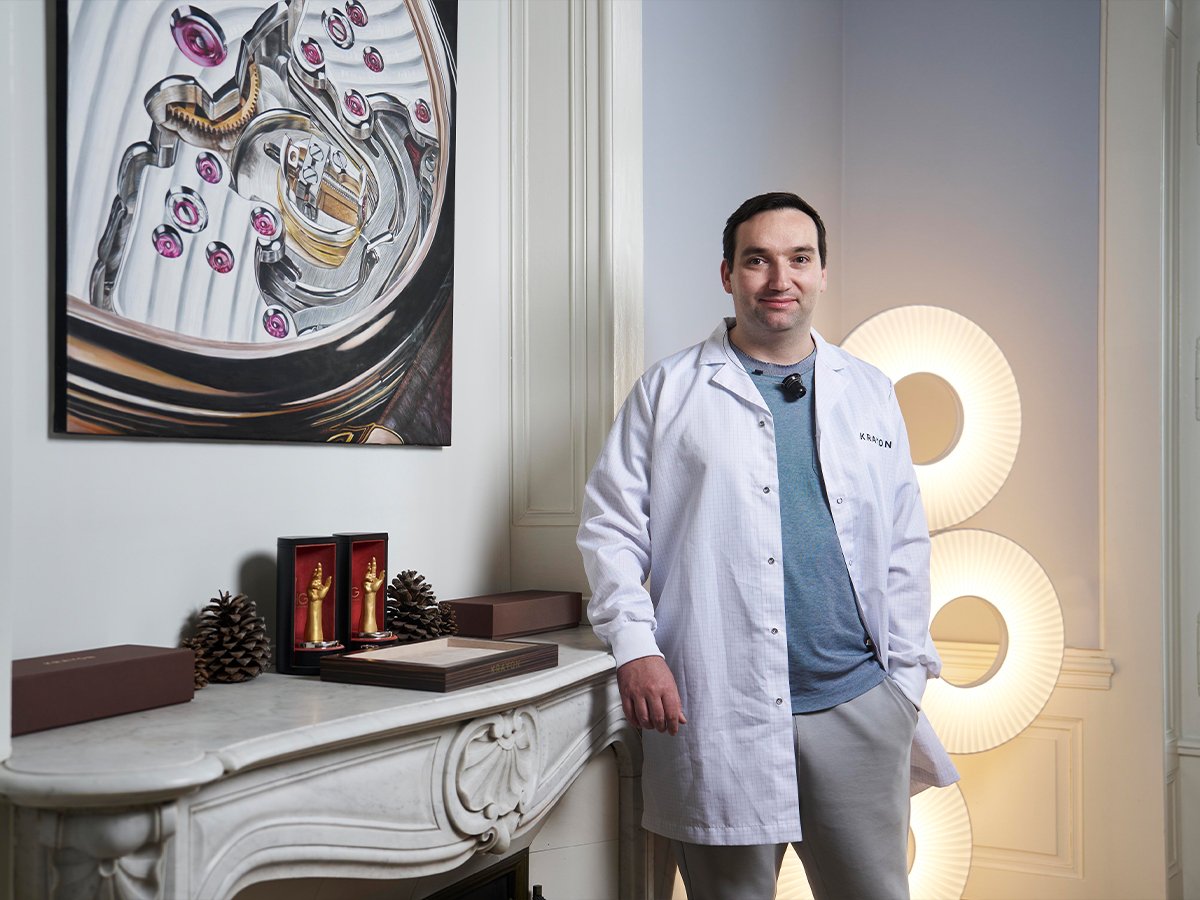
MJ: Since the the first piece was released in 2017, Krayon Watches has been a quiet achiever, really flying the flag for the independent makers. Take me back to the early days when you officially launched Krayon. What inspired you to make that leap and start your own brand?
RM: I founded Krayon in 2013 and at the very beginning, it was an engineering studio that developed complications for other brands. Initially, I am an engineer in microtechnology and my specialty is to conceive movements and complications, and before founding Krayon, I worked six years for Cartier in La Chaux-de-Fonds. I was among the teams of engineers and developing the complicated movements that Cartier was doing at that time.
While I was employed at Cartier, my dream was to become independent in my work and that’s why I founded Krayon; to work as an engineer for different companies and continue to learn in movement development.
The idea for the sunrise and sunset complication comes because I enjoy diving, freediving and snorkelling especially, and the best moment for it is exact sunrise or sunset. That is the moment nature is most active. One morning, I was too early for snorkelling and I found myself dreaming about a mechanical watch that could give me the exact sunrise or sunset times, wherever I would be and wherever I could one day travel. Nearly 10 years later, I made it real.
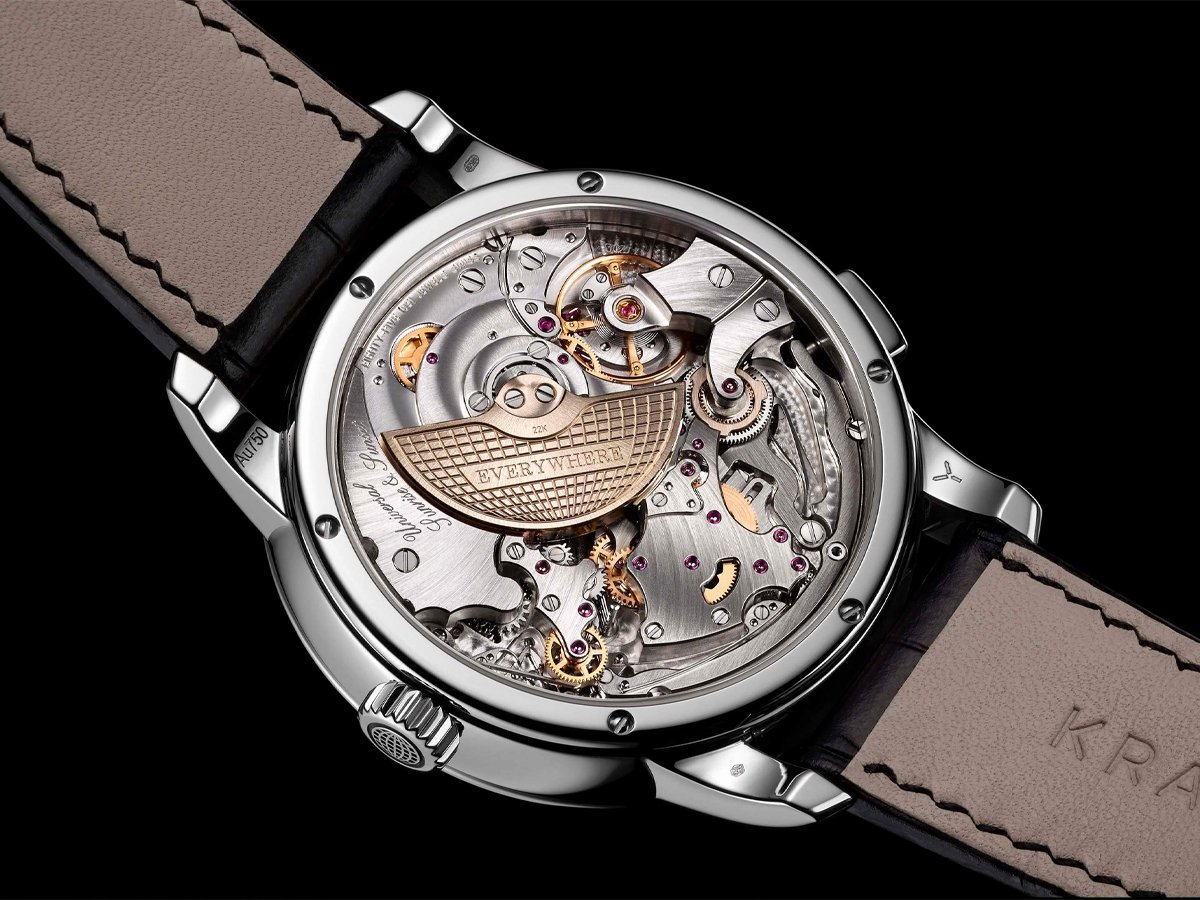
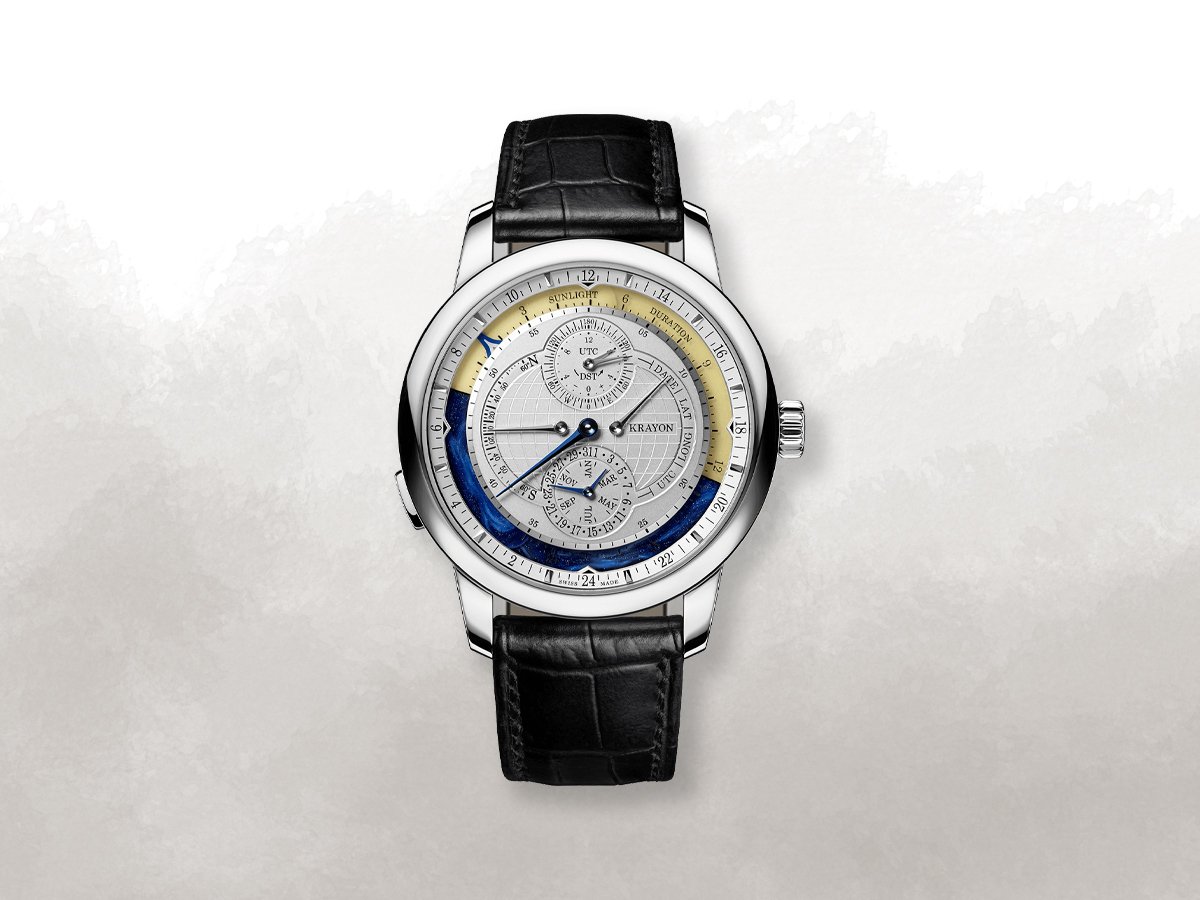
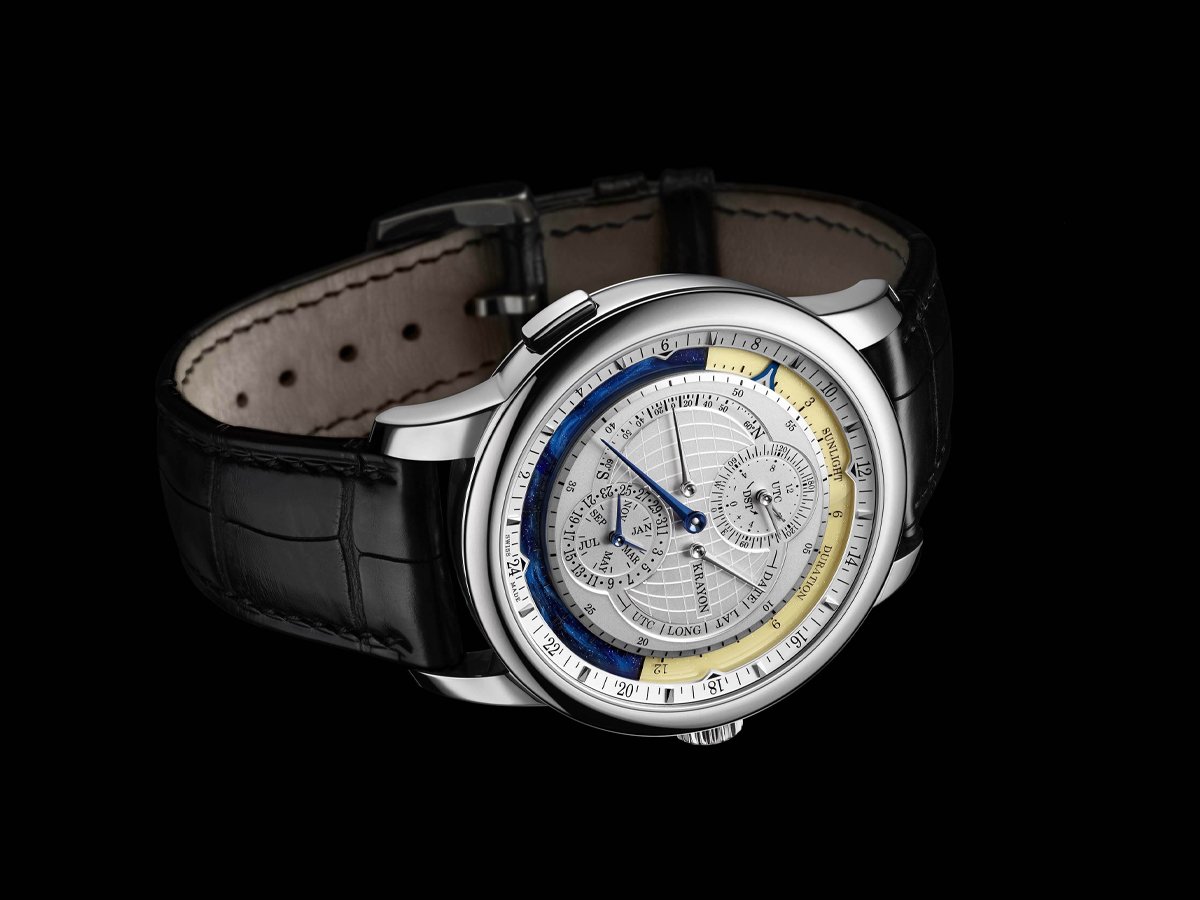
When I found the mechanical principles that allowed me to make this mechanism, I took the challenge to make my own watch. Krayon became the watch brand and I participated in the GPHG in 2018 with Everywhere, my first watch and it was awarded the Innovation Prize. Really, for an engineer, it’s the best recognition you could ever dream of. This moment, it really pushed me to focus on all the other aspects of the watch because as an engineer, my point of view is almost always focused on the movement, on the mechanism. I discovered many other aspects that are truly important in the watch and so I learned a lot from this.
In 2020, I introduced my second timepiece, the Anywhere. Anywhere has the same core functionality as Everywhere, it’s the calculation of sunrise and sunset, but inside the Anywhere, the change of location is a watch speaker adjustment. It means the watch is much simpler to use and read the information. For the Anywhere, I focused a lot of effort on the design of the case, dial and also different aspects like the ergonomics; what you can see, feel, touch when you are using the watch, winding it, using the function. Again in 2022, I presented Anywhere for the GPHG and it was awarded Calendar and Astronomy Prize.
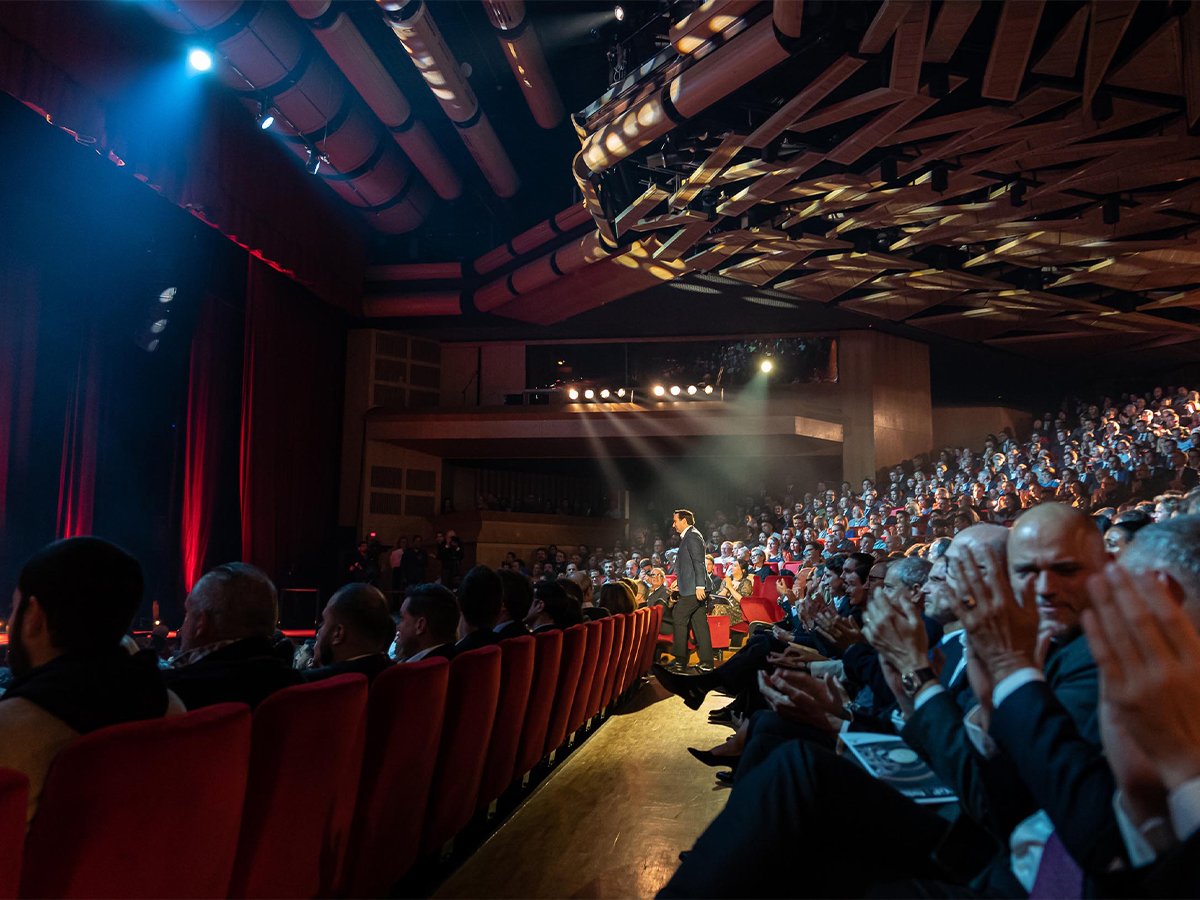
MJ: If we go back to 2018 when you won the Innovation Prize, what was that moment like for you as the founder of the brand? Did that recognition confirm that you’d made all the right decisions?
RM: I didn’t expect it at all, that I could have a chance to win the GPHG award but that’s really what has triggered me to enlarge my point of view on watchmaking and not to continue to try to focus on the engineering of movement.
MJ: That’s continued on and now, there are so many remarkable achievements under your belt. Just last year Krayon released the Anyday. Tell me a little bit about that one.
RM: Really what makes a Krayon timepiece is the integration of a totally new complication but also something that is simple to use and simple to read and simple to adjust, but inside, be a timepiece that is comfortable and enjoyable to wear daily. With that in mind, I presented in 2025 the Anyday; the first mechanical planner watch.
“It’s amazing to think that something as simple, as useful of this, has never been done before.“
My process of development for the Anyday was first to identify this need because when you are planning anything, you’re never sure weeks ahead, what’s the correspondence between day and date. You need to check your planner on your phone but you are also using the phone at the same time. I really wanted to find, I would say, a simple to read mechanical complication inside the watch to give this useful information for daily life.
And then I really conceived the display to be the simplest possible, the most obvious to be able to read and understood in any language. We only have the digits and the colours, so it can easily be understood what different colours and digits mean.
I would say that the difficulty for the Anyday is that the dial side of the watch looks very simple, very obvious, so it’s difficult to imagine or trigger enough curiosity to make the people understand that to achieve this very simple display, the movement inside has to be very complicated. You can achieve very simple adjustment with the crown and forward and backward at any time and any moment of the day. So it took Krayon to have a very complex movement to do this.
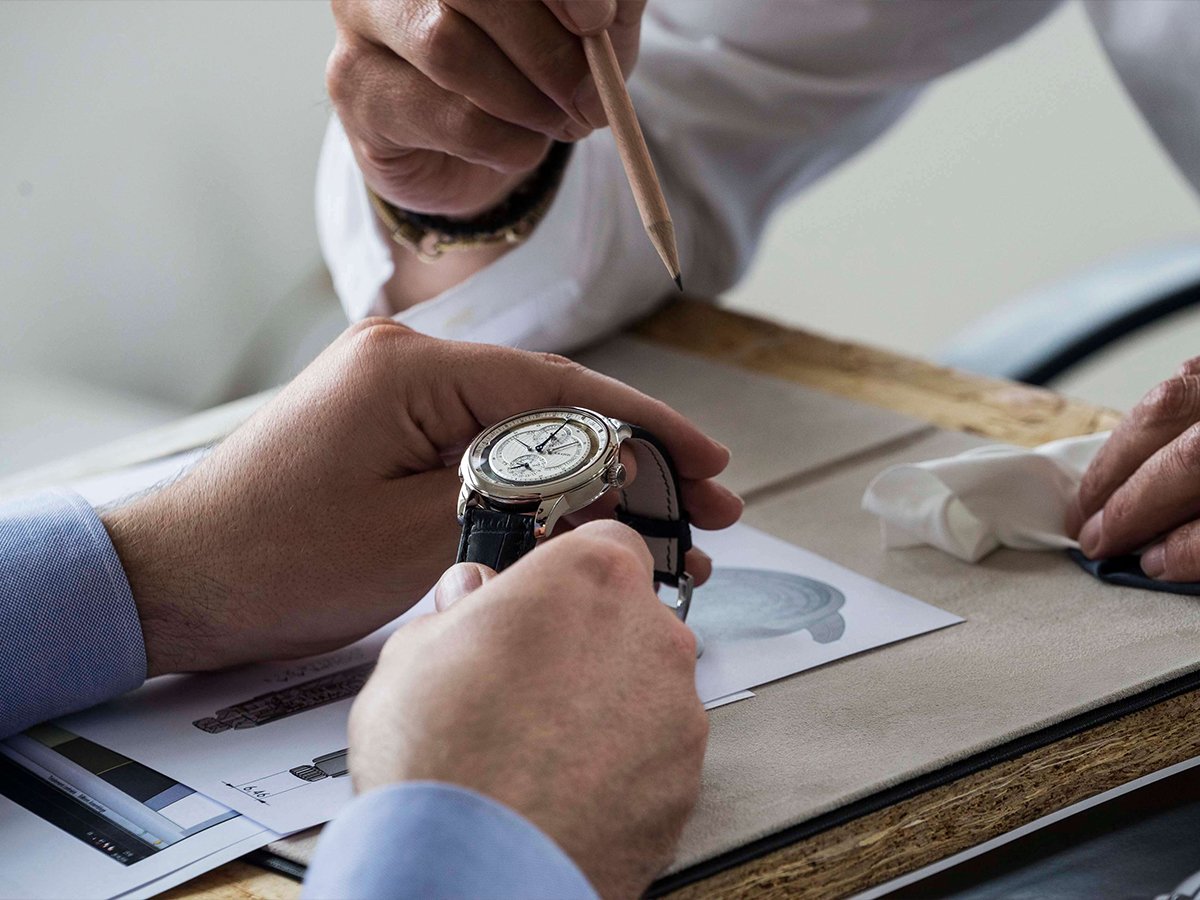
MJ: It’s fitting that you should mention that. Many high-complication watches are feats of engineering, but they don’t always feel wearable or purposeful. How do you go about creating something that is meaningful?
RM: I want to offer the wearer of the watch the best experience and simplicity in the adjustment and readability of the dial. So I can go very far in the engineering of the movement to achieve this.
I want to keep the complexity inside the watch and to offer simplicity of operation. For example, if you own this kind of watch, you have many others in your collection, and so if you haven’t worn it for six months, you can easily wind on the adjust for today’s day and date in like 20 seconds and you can fully enjoy the watch, the complication and the accurate information it gives you.
MJ: In watchmaking, there are brands that have been around for centuries and they really lean on heritage and history. With Krayon, being still relatively young in the market, how do you go about blending horological tradition with innovation?
RM: I try to bring something new to the market and to the watchmaking art. All the different independent watchmakers, I really consider that we all contribute to the same art and we all push forward the boundaries of it.
MJ: I find it interesting that you say that they would be someone who would have a lot of watches or is a collector. Is that the typical Krayon customer that you encounter?
RM: People don’t want to have the struggle of not knowing how to adjust it and always be sure to follow the required operation. Not doing operations that could damage the movement because it’s also a very costly object. I really want to avoid the maximum of this kind of struggle because the watch should be a source of pleasure and not a source of problems.
“It’s like a complication for people who don’t like complications.“
MJ: Let’s talk a little bit about your creative process. When you come up with an idea, what happens next? How do you take a concept and make it a reality?
RM: If we think about my first watch, the first step is at the beginning it’s like an abstract dream. I don’t consider it possible. I don’t even try to do it, but at that point, I had already founded Krayon and I wanted at least to try to see if it was possible.
And so, I started working on it and the process was first to identify what are the different elements that have an influence in a sunrise and sunset, because it’s different at any location and any day of the year. I can define location is latitude and longitude and also the time zone to displace our corresponding to this place and date of the wearer. The theory first is to find some mechanical principle for each of them and then find a way to combine all that information.
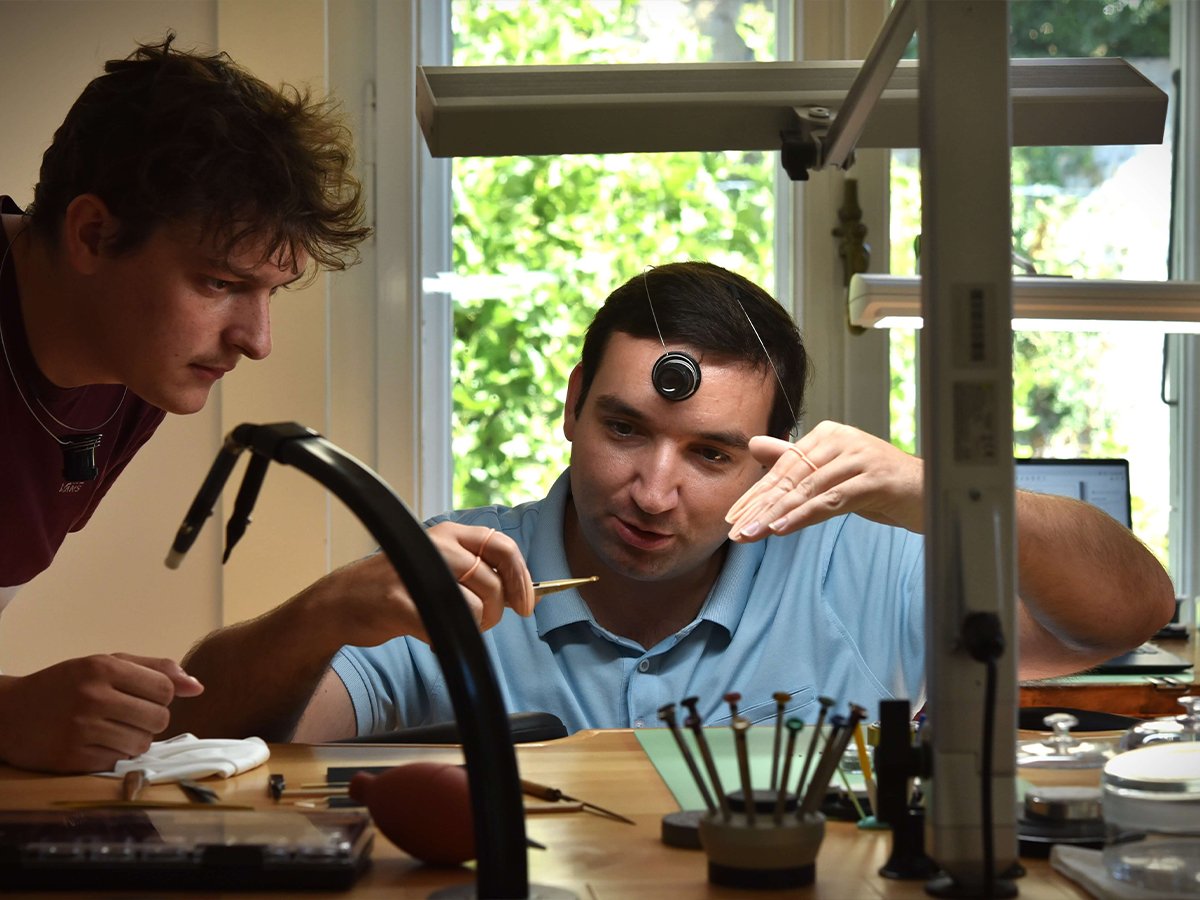
When I conceive a movement, I don’t do a modular complication because I want to use the space as efficiently as possible. So, in all my movements, the barrel, gear train, balance wheels, they share the same space and volume as a component of the other complication. So when I design a movement, I restart from scratch and I try to locate or reserve the space for the less flexible components.
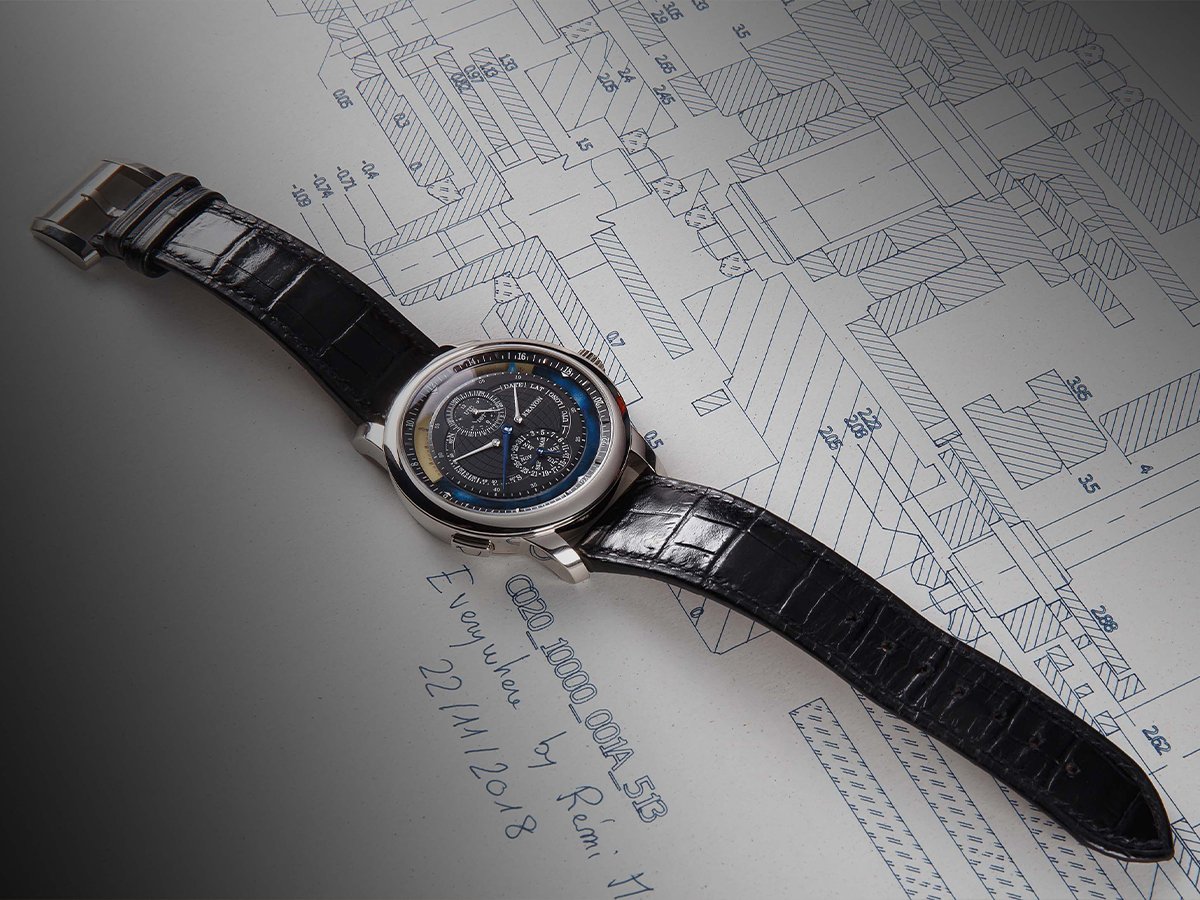
You know, a barrel has to be round, a balance wheel has to be round, so it has to have a round space reserved for them. Then I finish with the most flexible components like levers, and cams as they can take form with the remaining space inside the movement. That’s why I was able to make a movement like Everywhere that has 595 components. That’s an incredible amount of components.
MJ: What was the biggest challenge in terms of starting the brand and then getting to where you are now? What’s been the biggest challenge so far?
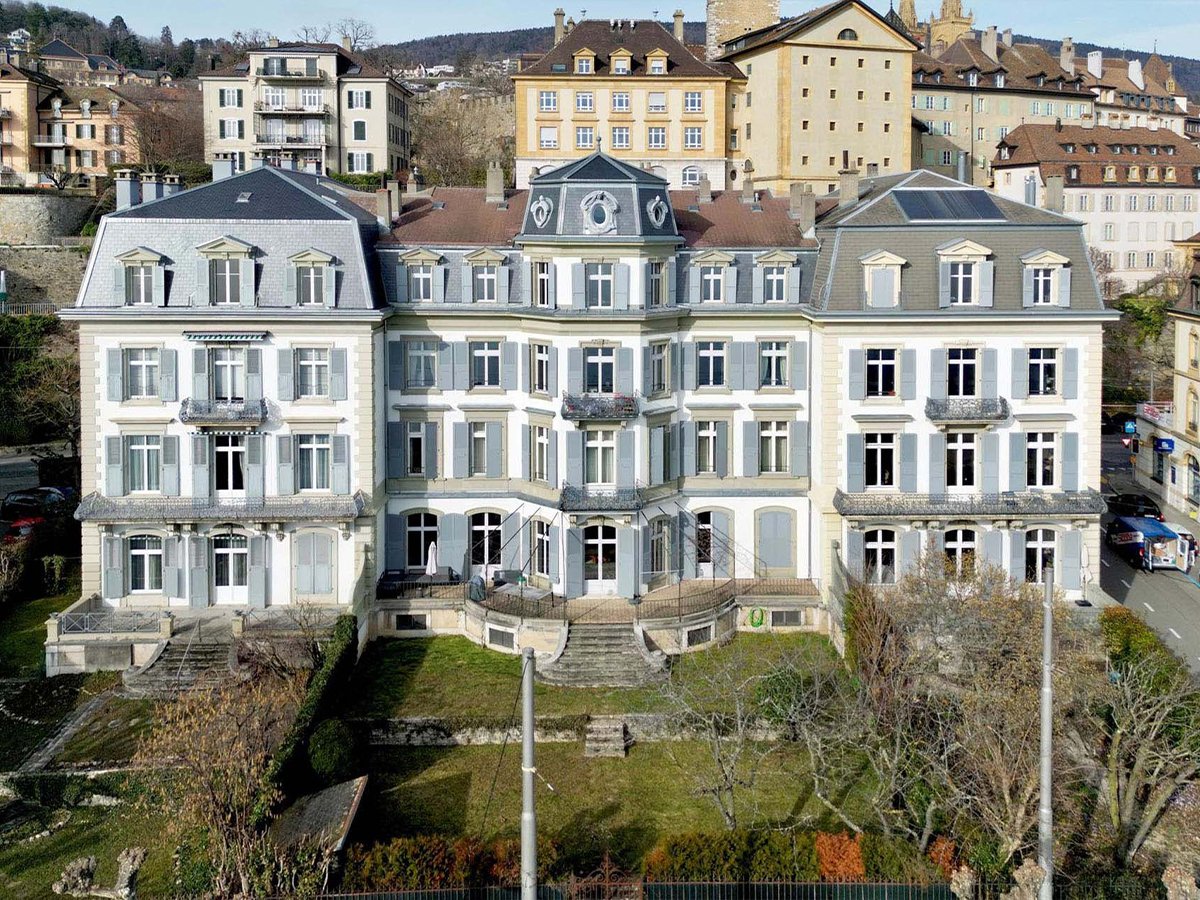
RM: When I introduced the first piece, the market response was very strong. At that moment, Krayon really started to grow. At the beginning, Krayon was just built in my home. And then I moved. I was lucky to be able to move like two blocks away at level 13, where Krayon is located today, and we have the whole floor for the workshop.
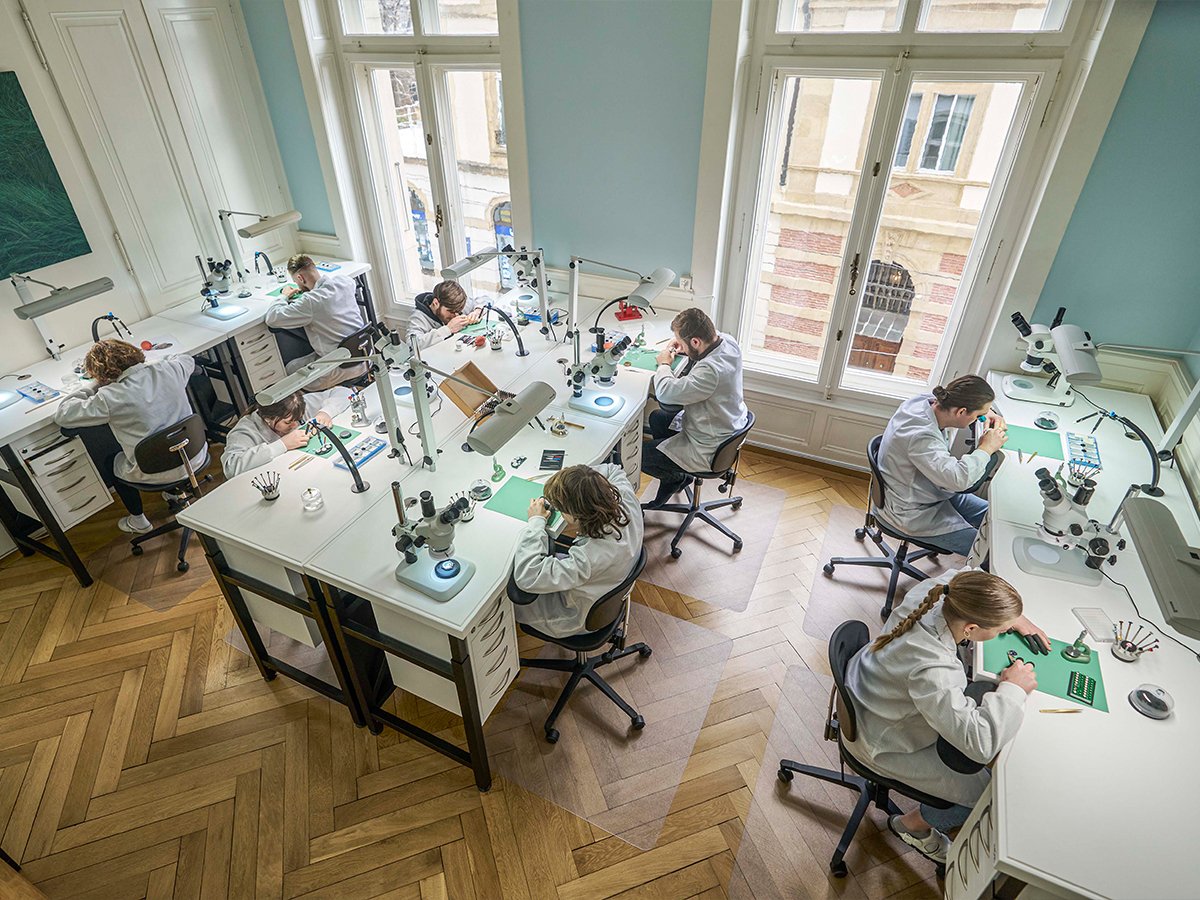
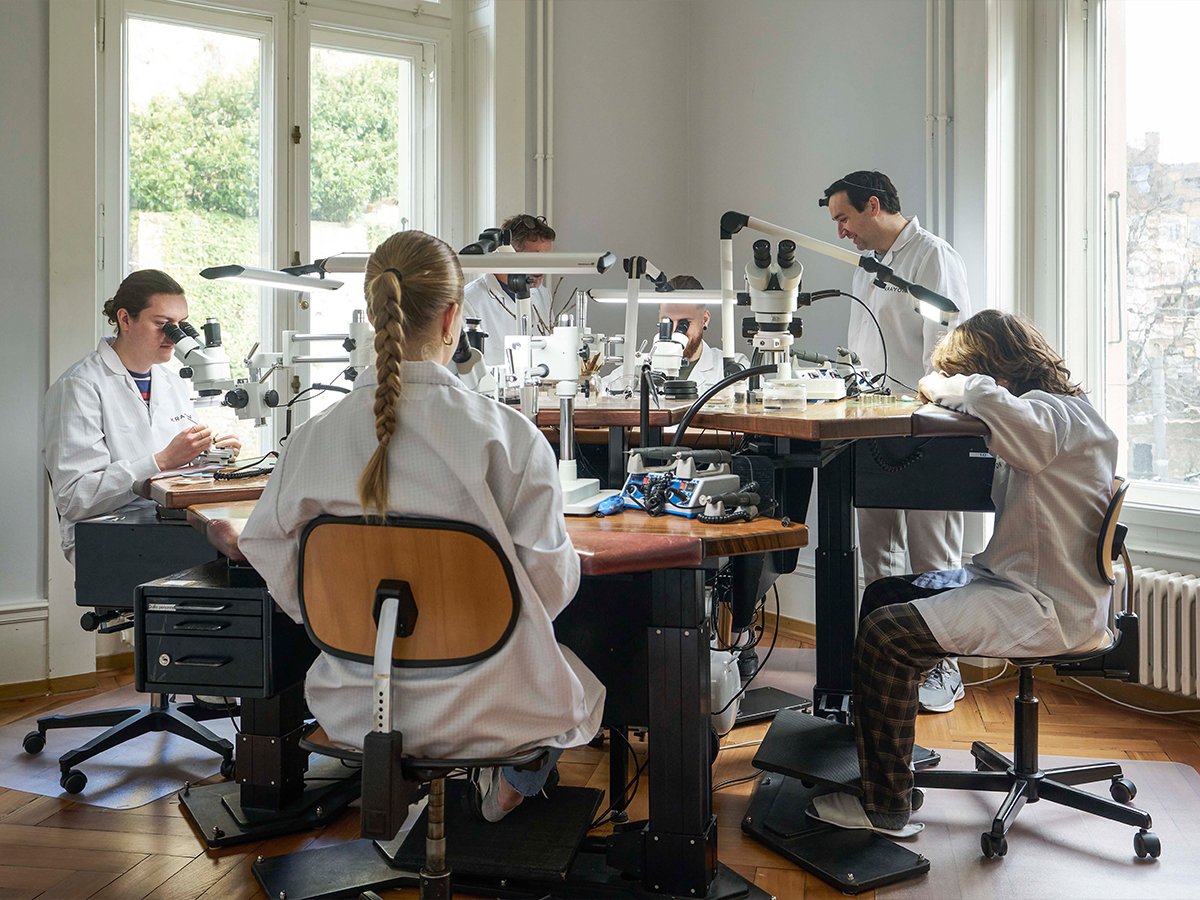
Krayon has grown very slowly and organically, but today, we are a team of 12 people in the company, eight of which are watchmakers. It’s really a completely different work to make one or a few watches alone or with someone. We do today 50 watches a year with a team of 12. It’s a completely different task.
MJ: It must be interesting for you to have started out as a watch designer and watchmaker to now have a team of watchmakers under your direction. How have you found that transition?
RM: I’m not so active at the workshop for the production, but I am still at the workshop to do prototype adjustments for new movements. Sometimes because I also learn a lot for the decoration finishing before I introduce anywhere.
So I also teach a person of my team for the finishing the way I want it on what is my exigency in this field. I would say my biggest challenge today is to find the right balance between the time dedicated for everyday tasks and production. Being sure that I can deliver to the customer on time requires planning to maintain the quality and also combat logistical challenges. At the same time, I need to allocate time to conceive new complications and building the future of Kayon.
MJ: Krayon produces less than 50 timepieces per year. I’m interested, is that a deliberate decision to ensure quality or is that just the maximum amount that you can make?
RM: No, I have no decision to limit the production, but as I said, we are growing slowly and organically. Maybe we will slowly increase in the future, but it takes a lot of time. We are constantly introducing new models, new special editions. We have spent a lot of time at the different watch fairs for different travel and events. We have around 10 retailers worldwide and we do events with them once a year. So it’s already a lot of time outside the workshop.
I have no intention to limit that at 50, but I want to make the right decision for the long term.
Rémi Maillat is an independent watchmaker, movement engineer and the founder of Krayon Watches. Based in Neuchâtel, Switzerland, Krayon is best-known for its ultra-complex, award-winning Anywhere, Everywhere and Anyday watches. With a focus on connecting astronomical phenomena with individual human experience, the independent brand grants wears a personalised calibration married to the their specific location. It’s artistry and mathematics combined.
More Watch Stories
Interested in reading more watch news, reviews and guides? MADE Journal has you covered. In addition to our watch releases and craftspeople features, we publish regular content focused on watches and timepieces. Check out some of our other watch coverage: