


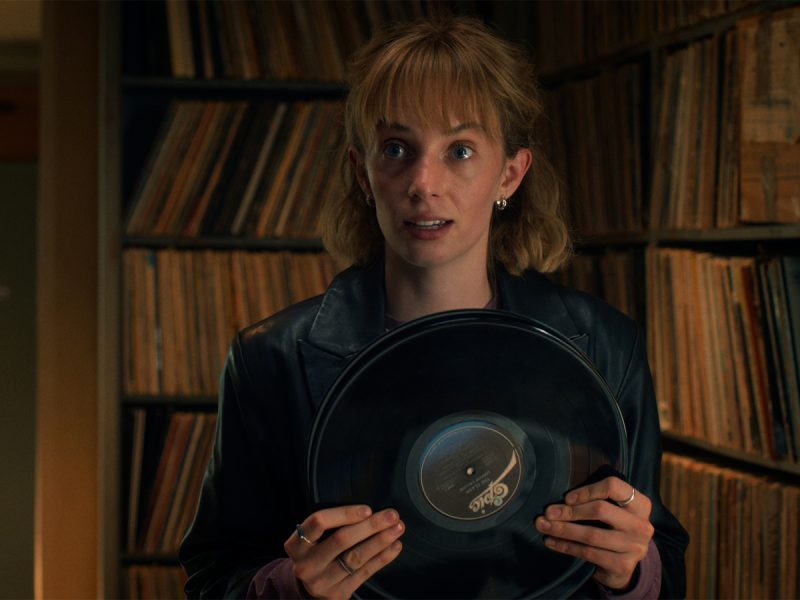

- Hit Netflix series Stranger Things has finally come to an end after five seasons and nine long years.
- The 1980s-inspired sci-fi show followed the beleaguered exploits of Hawkins in Indiana, a sleepy town torn apart by the apparent existence of another dimension.
- Across all five seasons, show creators the Duffer brothers filtered references and homages to classic films from the time period, often replicating iconic scenes and hiding Easter Eggs in each frame.
- This article unpacks 13 of the most significant hidden 1980s film and television references in the final season of Stranger Things.
Much has been made about whether Netflix and the Duffer brothers managed to stick the landing when it comes to the long-awaited finale of Stranger Things. After nine long years effectively carrying the streaming service’s premier original production slate, the hit sci-fi series has finally drawn to a close and with it, a proverbial treasure trove of ’80s literary, cinematic and television references. From The Goonies to Nightmare on Elm Street, the Netflix series (much like famed director Quentin Tarantino) was never shy about acknowledging its influences, and for that, I’m actually quite thankful.
To me, there is a certain respect that is garnered when a show understands its place in the thematic world. With Stranger Things, the Duffer brothers leaned heavily into their influences, creating a sci-fi show that picked up where iconic films like E.T. the Extra-Terrestrial left off, leveraging a unique sense of nostalgia, intrigue, suspense and style.
Right from season one, the hallmarks were there. The use of stylised horror, practical effects and a willingness to let the atmosphere of mystery do the heavy lifting tapped into the ’80s playbook and delivered something that audiences had long yearned for. Across all five seasons, show creators the Duffer brothers filtered references and homages to classic films from the time period, often replicating iconic scenes and hiding Easter eggs in each frame, but be warned, there are some spoilers here.
Table of Contents Show
’80s References in Stranger Things Season 5
In season five, Stranger Things may have lost its way, falling into tired tropes of CGI sound stages, simplified plots and an incessant need to explain plans out loud for the audience to understand, but the themes were still there. In the final season of Stranger Things, we again follow the beleaguered exploits of Hawkins, Indiana, a sleepy town torn apart by the apparent existence of another dimension. An old threat returns and the future of the known-universe lies in the hands of a rag-tag team of teenagers and single parents.
While earlier seasons leaned on Spielbergian wonder and Amblin-era adventure, the final chapter is far more explicit in its love of horror. The references are darker, sharper and more deliberate, drawing from a canon of films that defined scary Saturday nights for a generation. In this article, we’ll unpack 13 of the biggest and most significant references featured in Stranger Things season five, explaining how they fit into the Hawkins world and why they were used in the first place.
1. Eleven and The Goonies
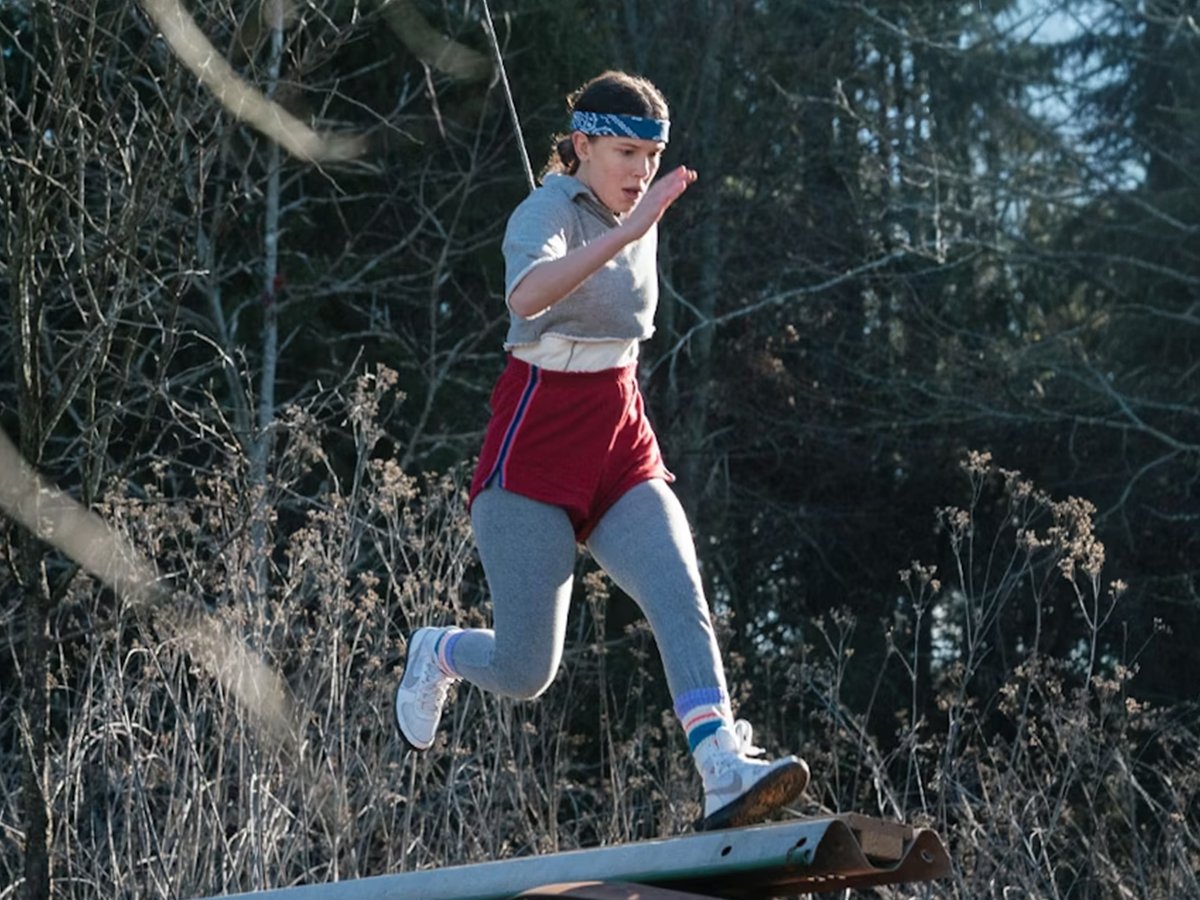
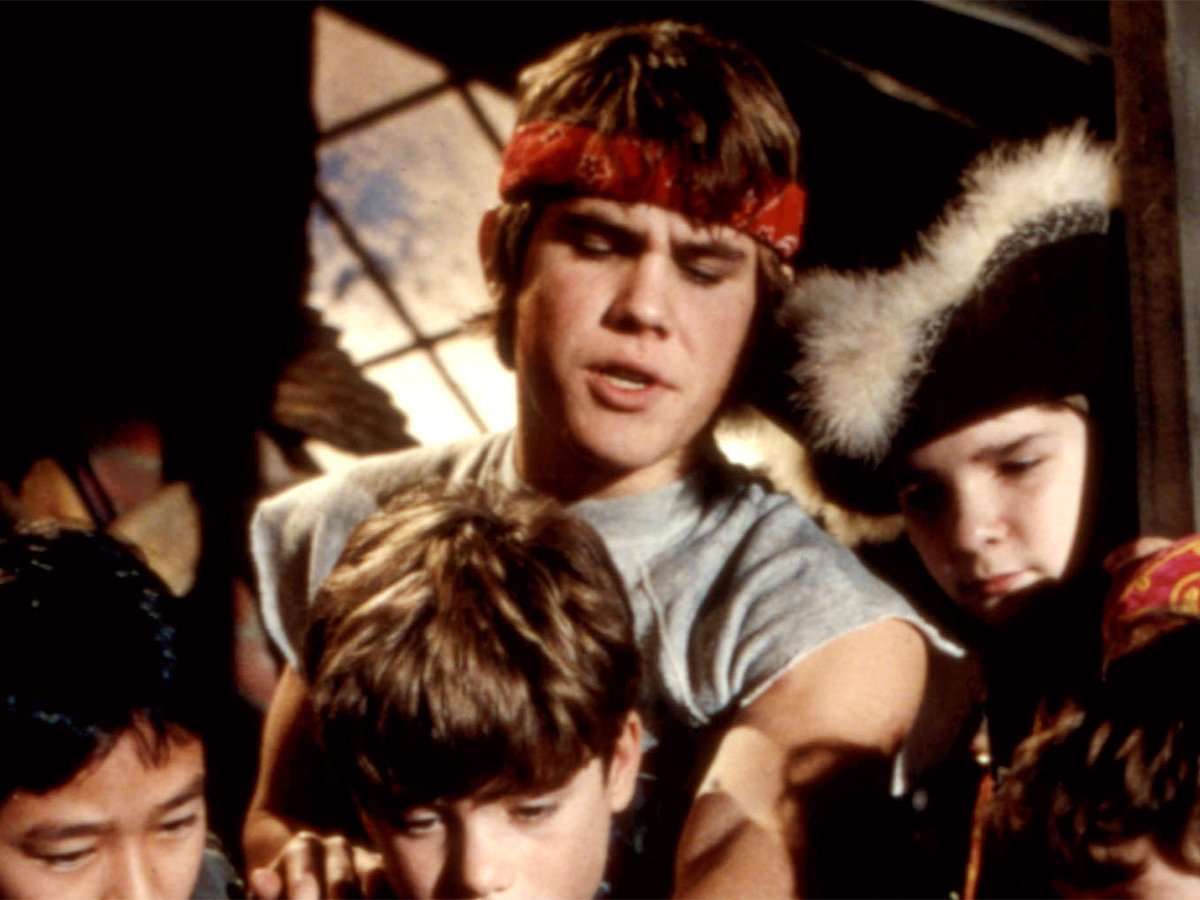
Early in season five, we see Millie Bobby Brown’s Eleven training and refining her powers. As she jumps, dives and forward-rolls her way through the makeshift obstacle course, there is a not-so-subtle nod to a classic ’80s adventure flick in plain sight. In these scenes, she is wearing a classic grey marle sweatshirt and track shorts over the top, a throwback to Josh Brolin’s character Brand Walsh in The Goonies.
Released in 1985, The Goonies sits at the intersection of adventure and adolescence, capturing the unique space between childhood innocence and adult consequence. By using the same iconography and styling as the older Brand, Stranger Things sets up Eleven as a more focused, determined and older version of her former innocent self. It’s a stellar way of connecting two characters and showing the passing of time without being overly blatant.
2. Hopper’s Truck and Jaws
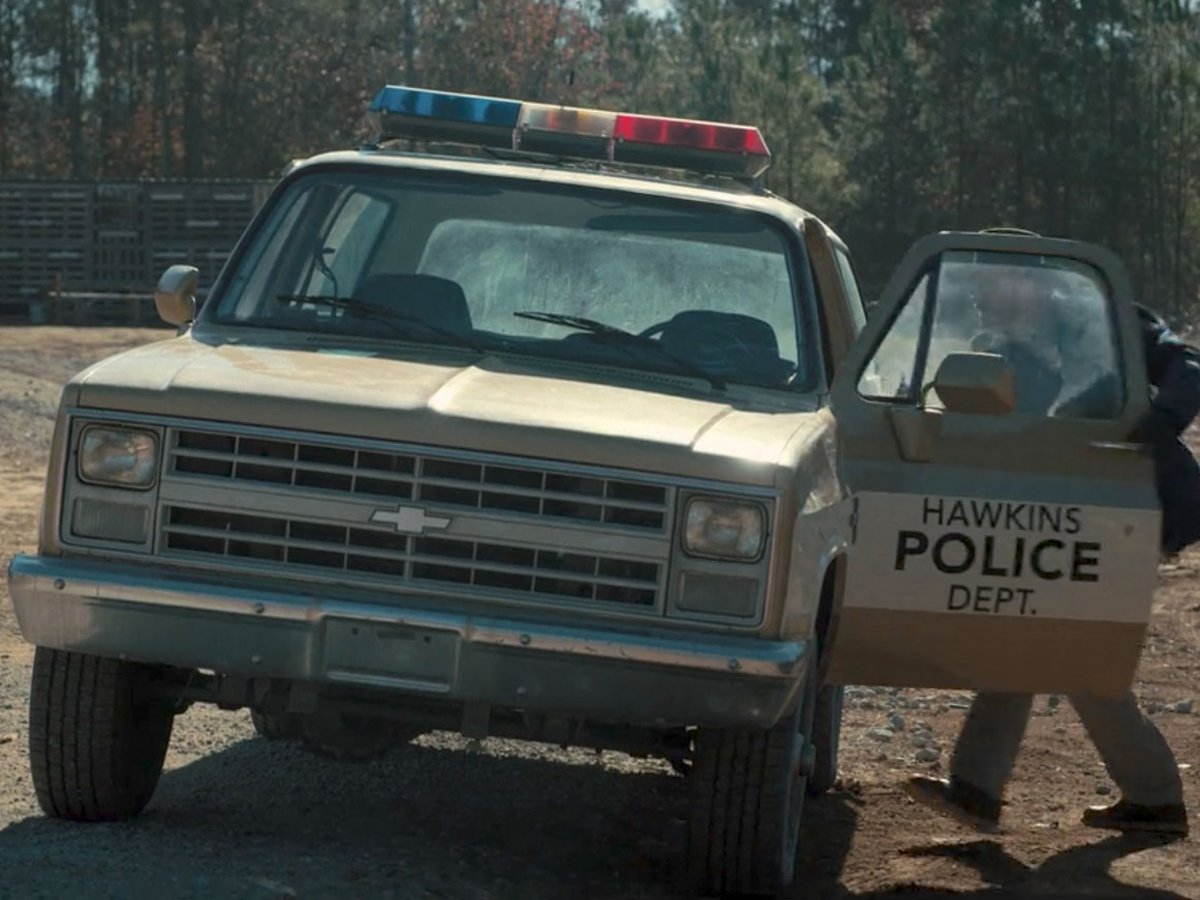
While it hasn’t been officially confirmed, Hopper’s white Chevy K5 Blazer truck is an almost exact replica of the vehicle driven by Police Chief Martin Brody from the movie Jaws. Steven Spielberg’s 1975 shark thriller remains a masterclass in sustained suspense, centred on an authority figure overwhelmed by a threat he can hardly contain.
In a lot of ways, this feels reminiscent of Hopper’s status in the town. He struggles to maintain his authority over Eleven as she grows increasingly tired of training, whilst simultaneously battling the pressures of his past. Weary, reluctant, and motivated less by heroism than responsibility, David Harbour’s Hopper is a great thematic mirror to Chief Brody in the Spielberg classic. The truck is merely visual shorthand for that connection.
3. Steve’s Evil Dead Chainsaw
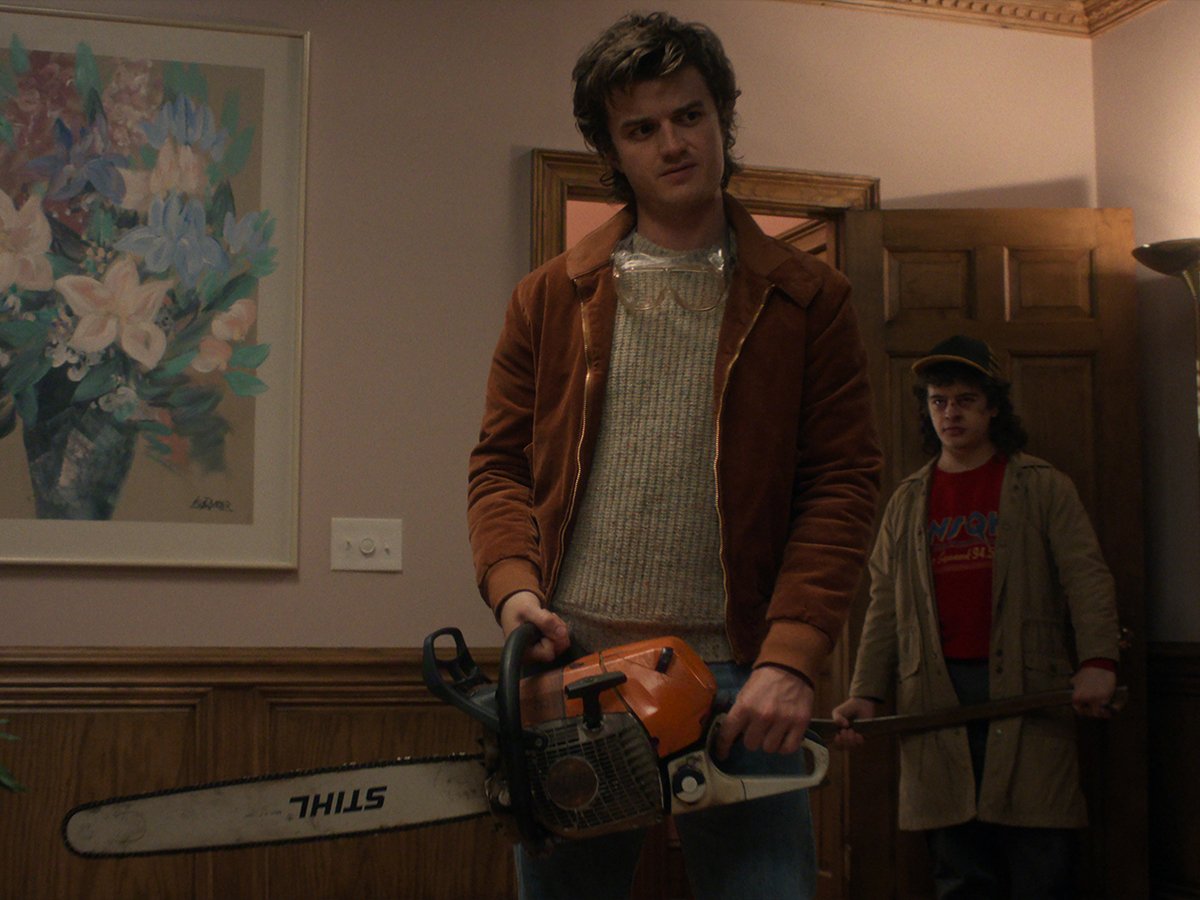
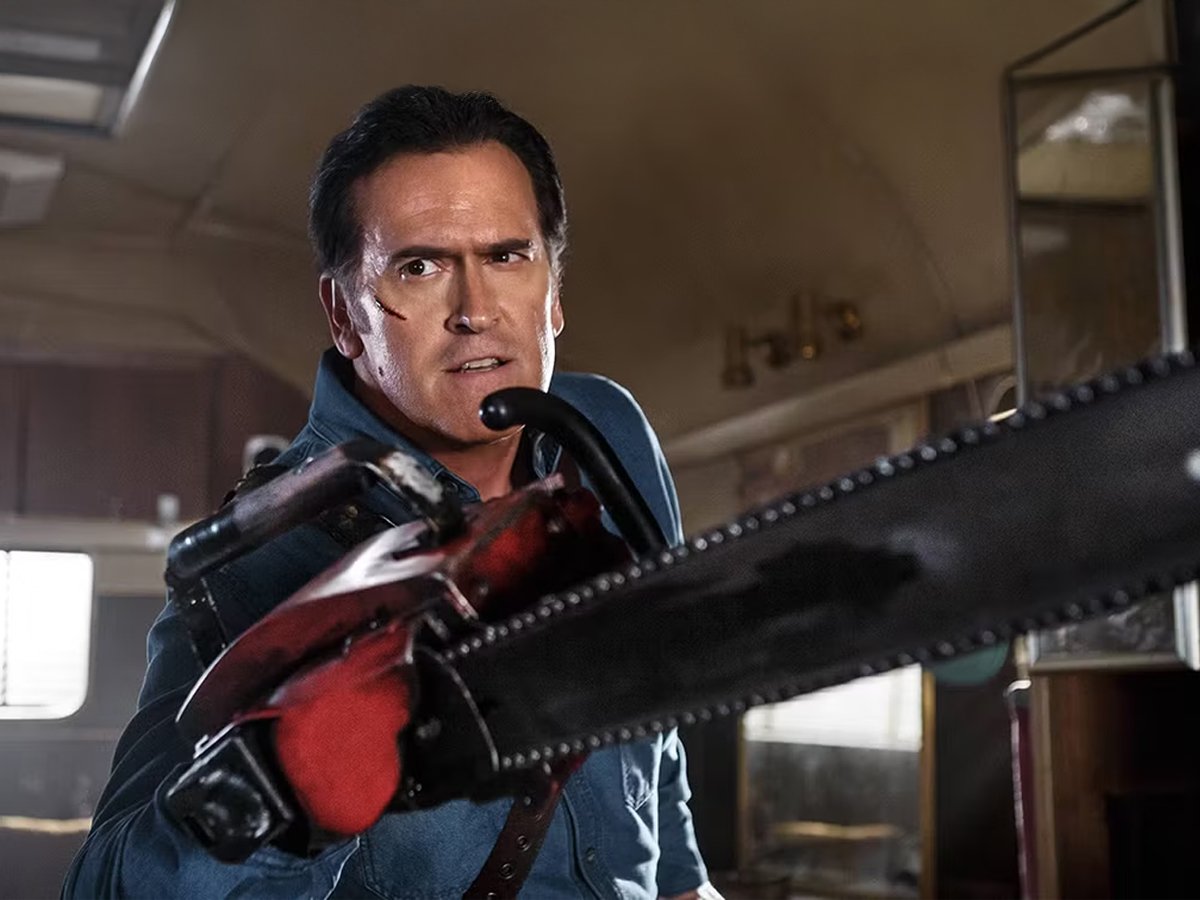
Some references are a little more obvious than others and Steve Harrington’s choice of the chainsaw feels like one of the most overt. Early in season five, we see the character, played by Joe Keery, helping the team to assemble a collection of weapons and defence props to help battle a Demogorgon. When he spies a chainsaw hanging on the wall, his eyes light up.
As anyone who is a fan of Bruce Campbell will tell you, it’s not the first time we’ve seen someone do that. The framing, posture and attitude are a dead-on impersonation of Campbell’s cult-hero Ash Williams from the Sam Raimi franchise The Evil Dead.
Raimi’s 1981 classic reshaped low-budget horror through exaggerated physicality and kinetic camera work. Steve, long established as Stranger Things’ reluctant action hero, fits neatly into that tradition, and he also looks pretty ‘groovy’ with a chainsaw in hand.
4. Back to the Future
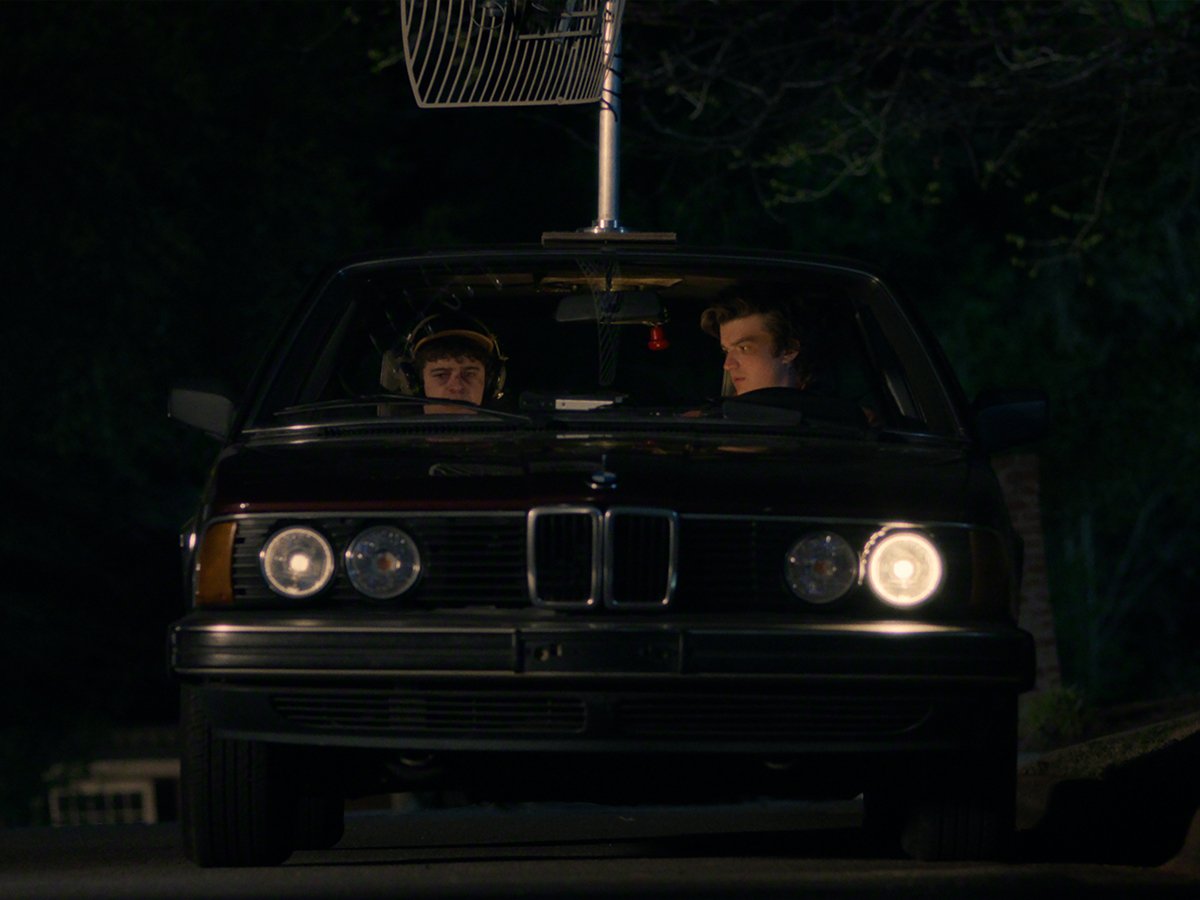
When we see Steve plant his foot and drive his beloved BMW through the gate, you can’t help but notice a stark similarity to the classic ‘80s flick Back to the Future. The entire scene feels very reminiscent of the third instalment, where Doc Brown launches Marty McFly into the Wild West, hurtling headfirst into a sign that quickly becomes a wall of adversaries.
In Stranger Things, this comes not long after Robin’s Flux Capacitor joke and, in case you didn’t notice, the gang needs to hit a frequency of 88 decibels on their satellite system to locate Vecna. This is an obvious reference to the 88 miles per hour that Doc Brown’s DeLorean time machine needs to hit in order to pass through time and space.
5. Predator Vision
In season five, we get to see through the eyes of the Demigorgon for the very first time, courtesy of Will’s newfound powers. In order to bring this to life, the Duffer brothers used a number of first-person shots and innovative filming techniques, taking the viewer inside the mind of the mutant creature.
This use of first-person footage is a direct reference to the classic Arnold Schwarzenegger action flick Predator, along with John Carpenter’s The Thing. Both films destabilised audiences by turning them into the hunted and the hunter simultaneously, showing constant views from the monster’s perspective. By adopting this technique, Stranger Things forces the audience to take a more active viewpoint in the chaos.
6. The Final Battle
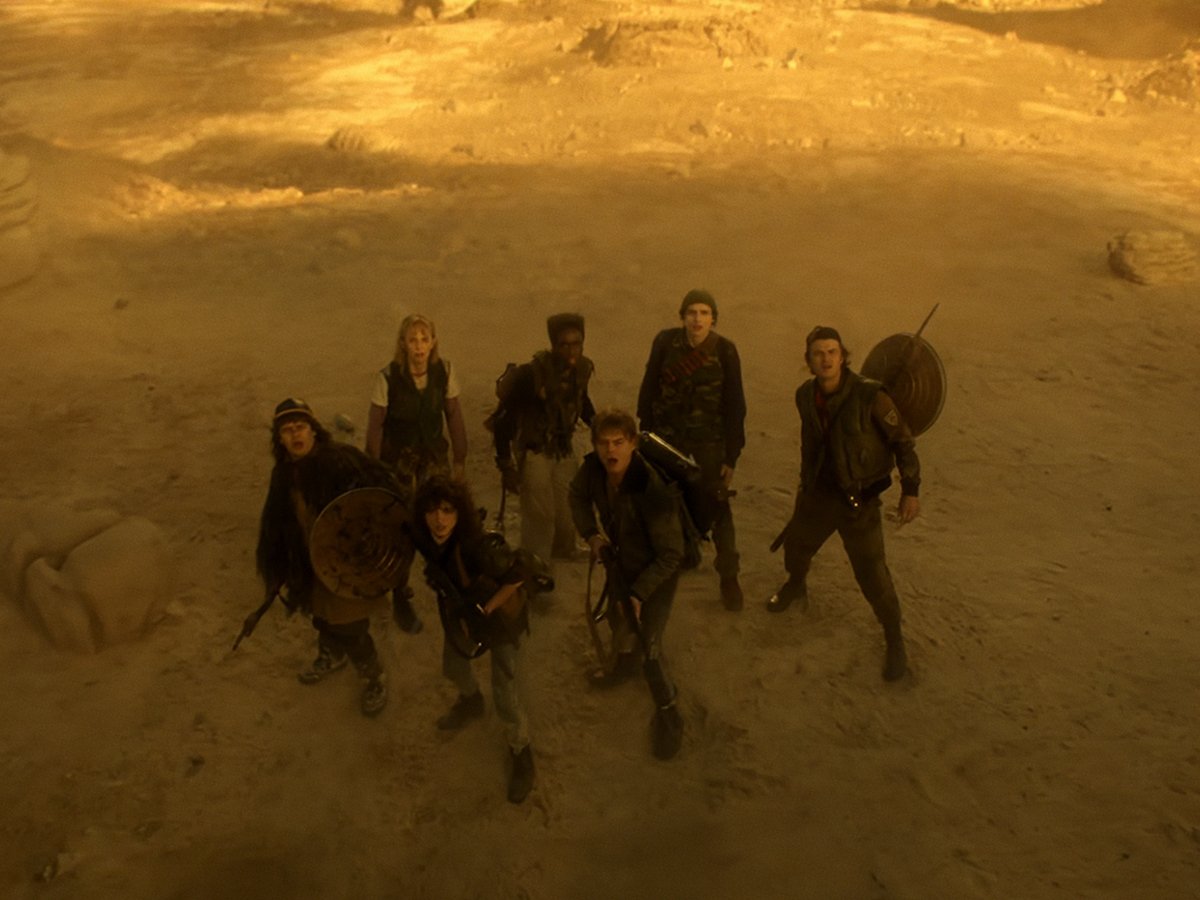
In the final episode, the gang reconnects and teams up to take down the Mind Flayer and it’s hard not to see a major reference. The clothing, weapons and stance of each character feel like a direct reference to the comedy-action flick Ghostbusters.
Ivan Reitman’s 1984 film balanced comedy with genuine supernatural threat, similar to Stranger Things, so it feels entirely fitting to the see gang employing a familiar call to arms. Each character holds their weapons low, just as Dan Aykroyd would have wanted, prepping for the imminent, and probably unsurvivable, battle.
7. Terminator and Linda Hamilton
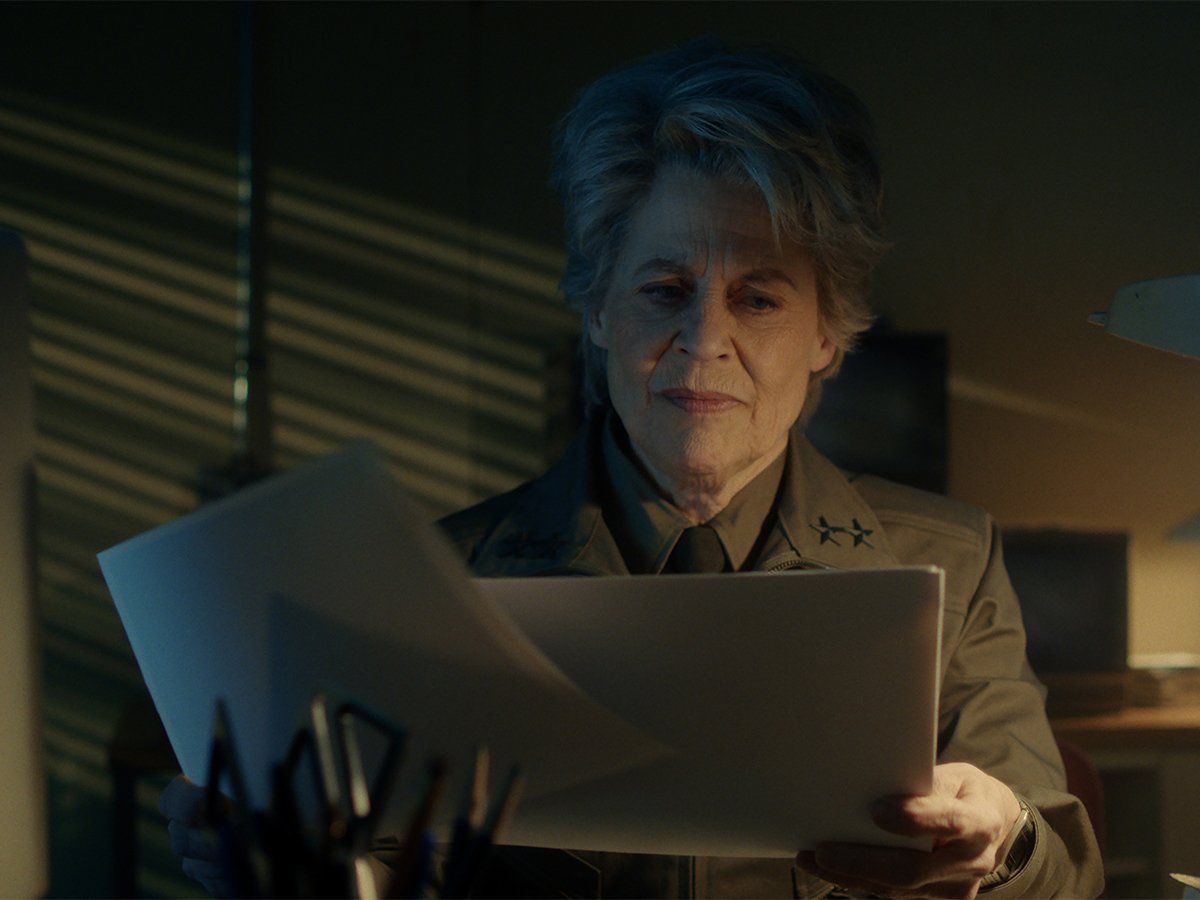
This season also saw the first appearance of Linda Hamilton as the menacing Dr. Kay. We know her best from her work in the blockbuster Terminator franchise and it’s clear that the Duffer brothers wanted to emphasise this.
When the character is first introduced, we only see her boots as she walks from room to room, a direct reference to Arnie’s T-800 from T2: Judgment Day. We also see Eleven use scissors against Dr Kay, which is again a reference to Sarah Connor in Terminator.
8. Max’s Cave and Land of the Lost
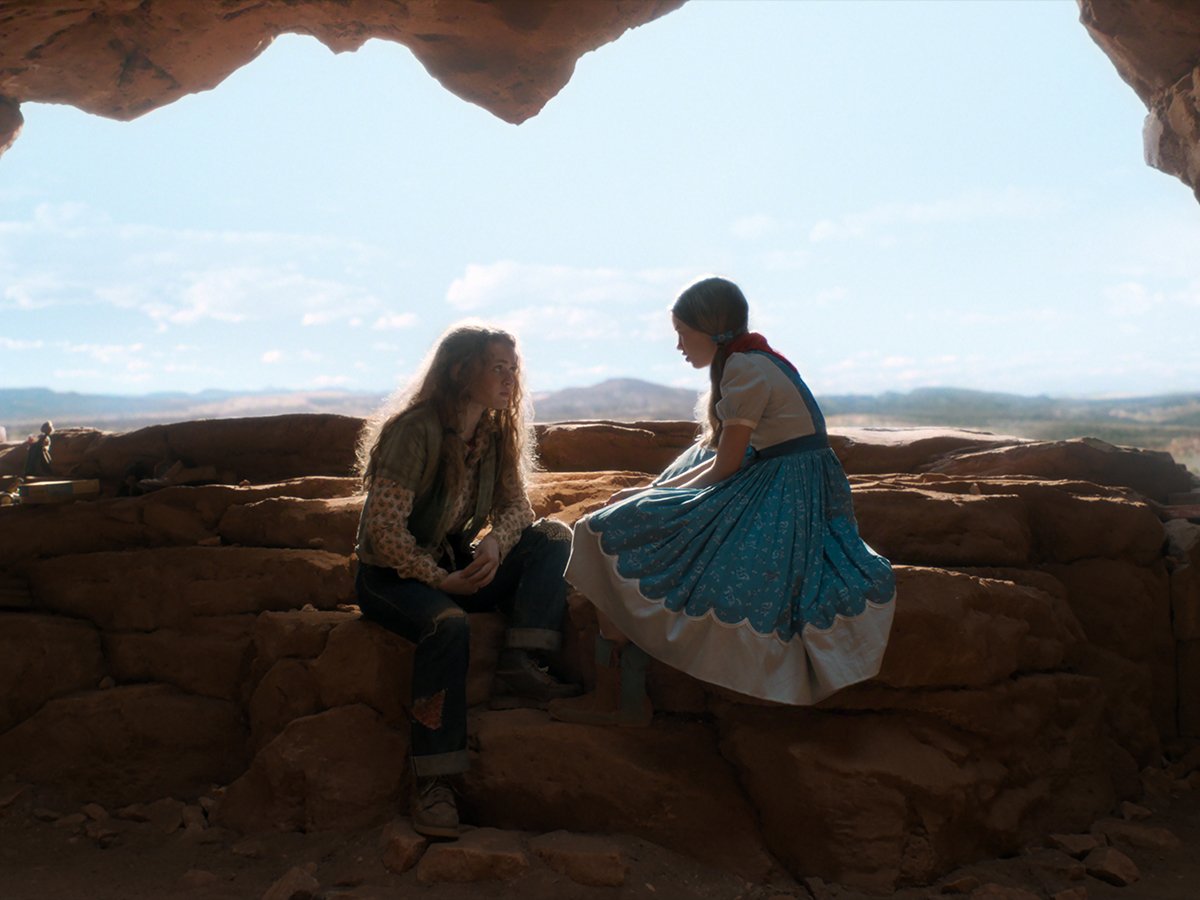
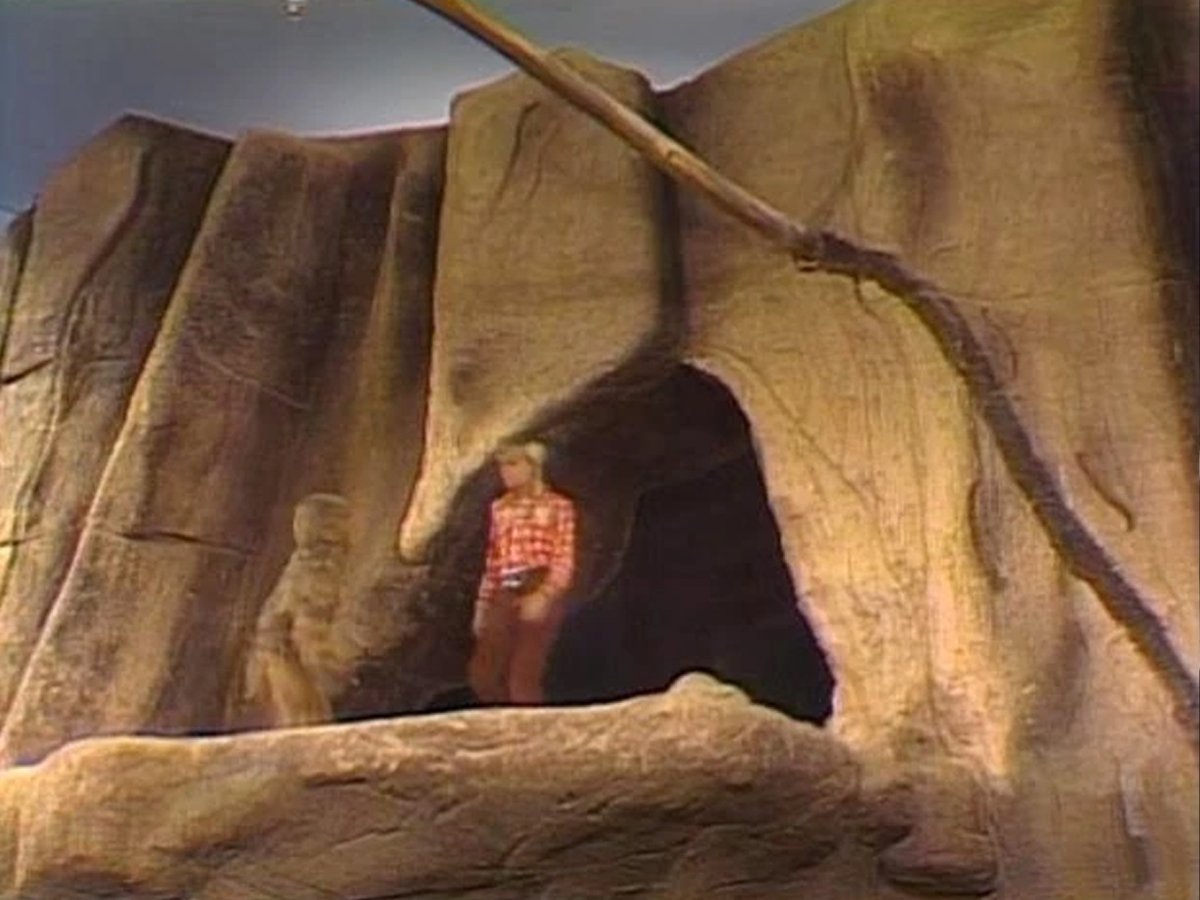
Throwing things back a little further than the ‘80s, Max’s cave hideout in the altered universe looks a lot like High Bluff, the cliff face that the Marshall family makes their home in the classic ‘70s adventure series Land of the Lost. The cave was somewhat of a sanctuary for the family, who used it as a refuge from the dinosaurs and monsters lurking just outside.
9. Red Dawn and Teenagers at War
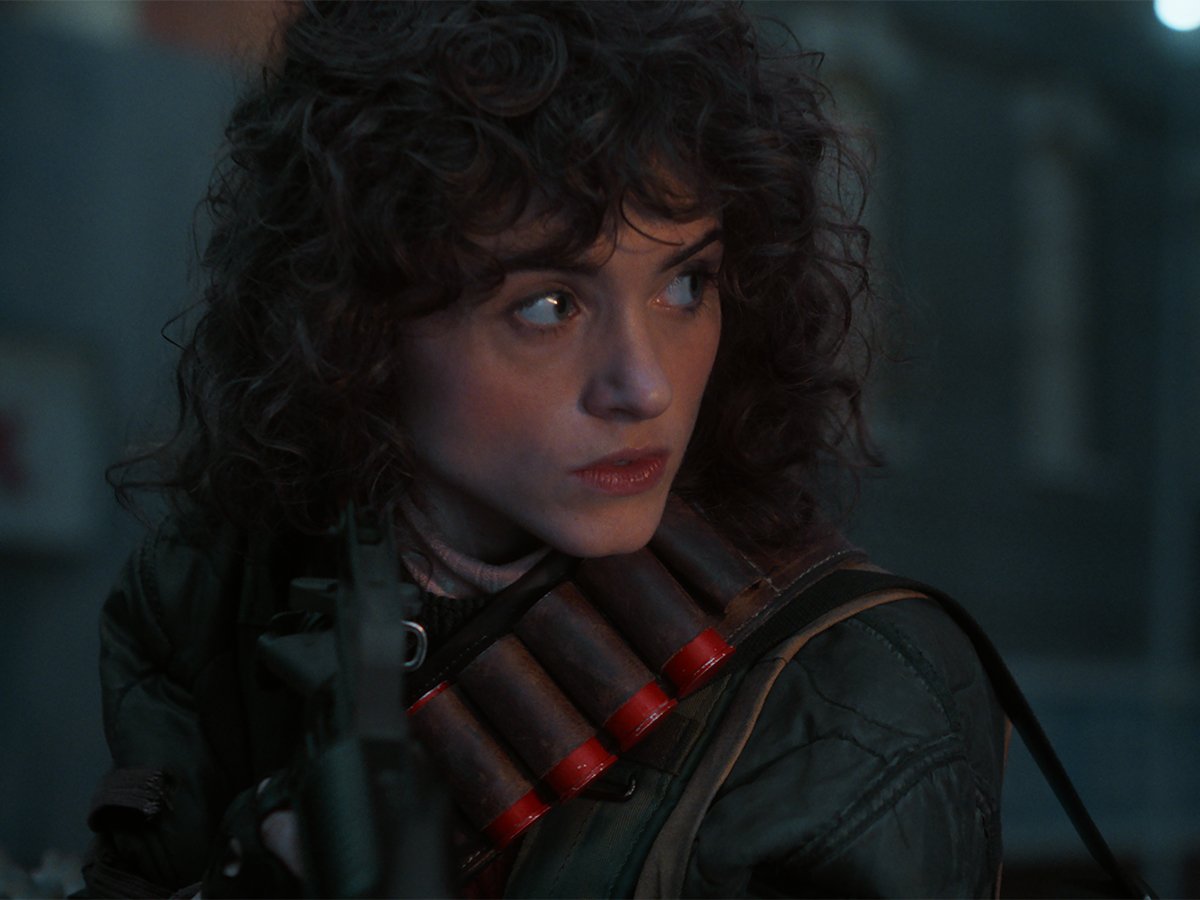
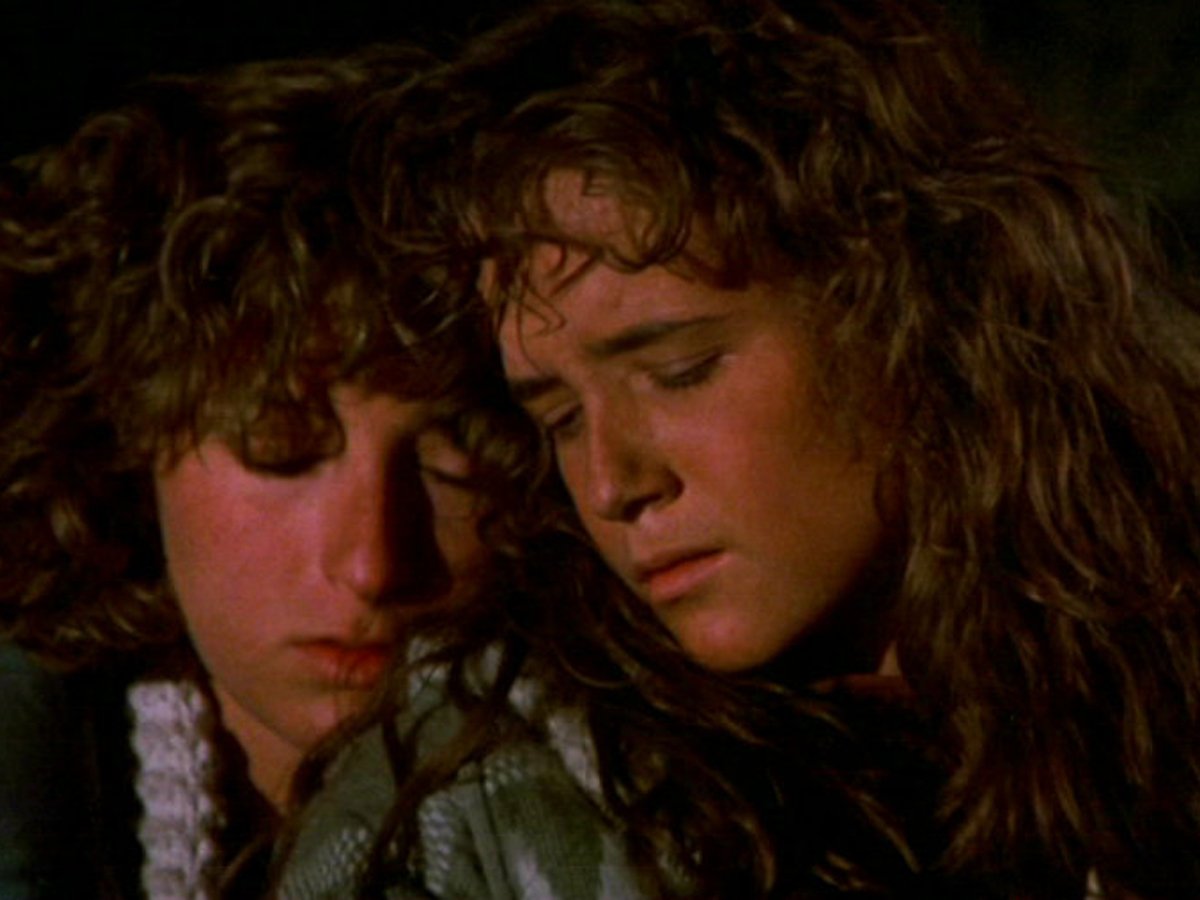
If you noticed Nancy rocking some sweet curls and a lot of firepower this season, it’s because she was effectively becoming Lea Thompson in Red Dawn. The 1984 action flick follows a group of teenagers who are forced to engage in guerilla warfare to defeat the invading forces. This, coupled with the filmToy Soldiers, reflected a unique theme in the 1980s that saw young people often inherit conflicts they didn’t create. Sound familiar?
10. Poltergeist ‘They’re Here’
Probably my favourite reference from this season comes in the barn when the Demogorgons manage to find the team whilst they are attempting to protect Derek. When he feels their presence on his neck, Will turns as says the classic Poltergeist line ‘They’re Here’.
If you are a fan of classic horror, you know exactly why that line is so scary. Delivered with unsettling ease by child actor Carol Anne, the line sent chills up viewers spines when it was aired back in 1982. The unknown nature of “they,” the buildup of dread with the TV static, and the ominous implication that something malicious has arrived proved to be one of the defining moments in horror cinema history.
11. The Goonies Pipe Scene
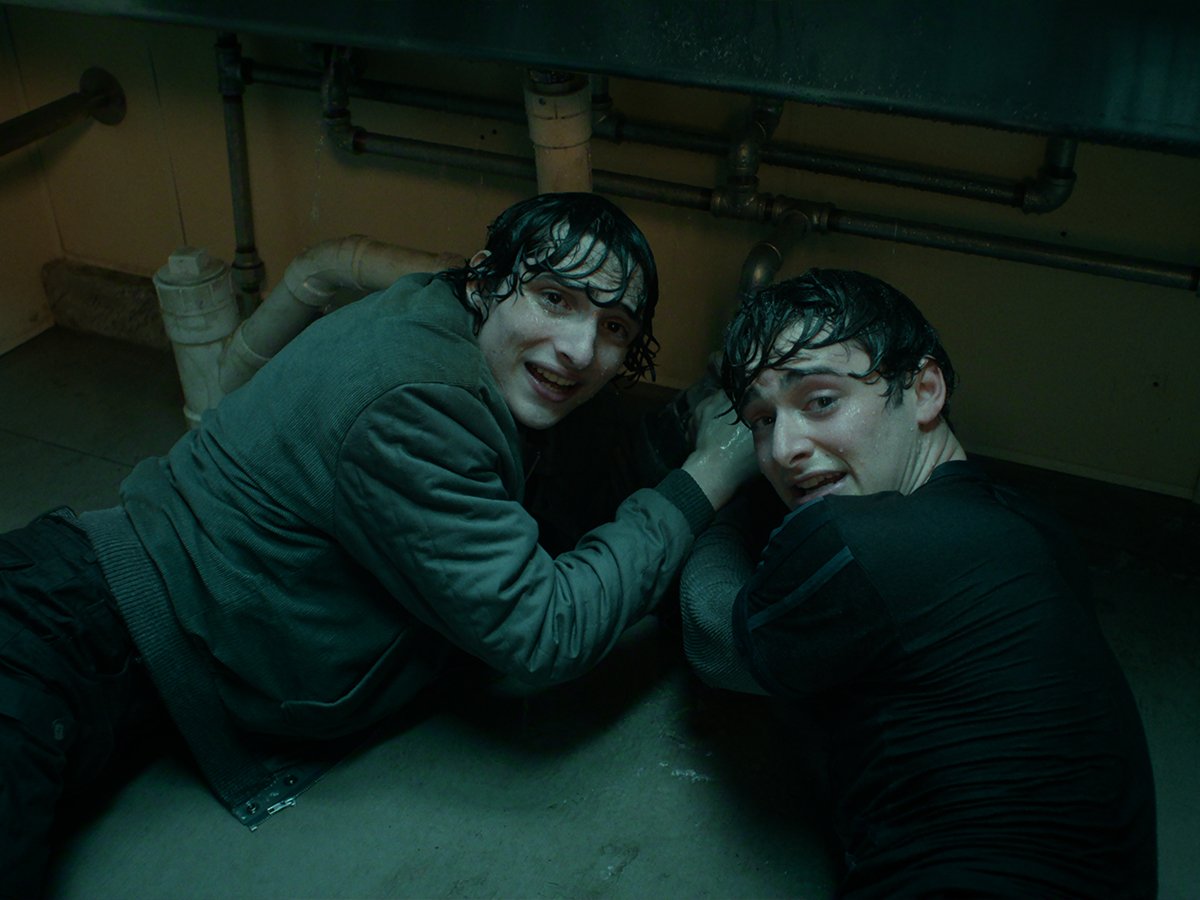
As Mike and Lucas attempt to save the kids from the military base, they devise a plan to go up through the pipes, but it doesn’t exactly go so well. The way they end up flailing across the bathroom looks a lot like this scene from, you guessed it, The Goonies.
12. Nightmare on Elm Street
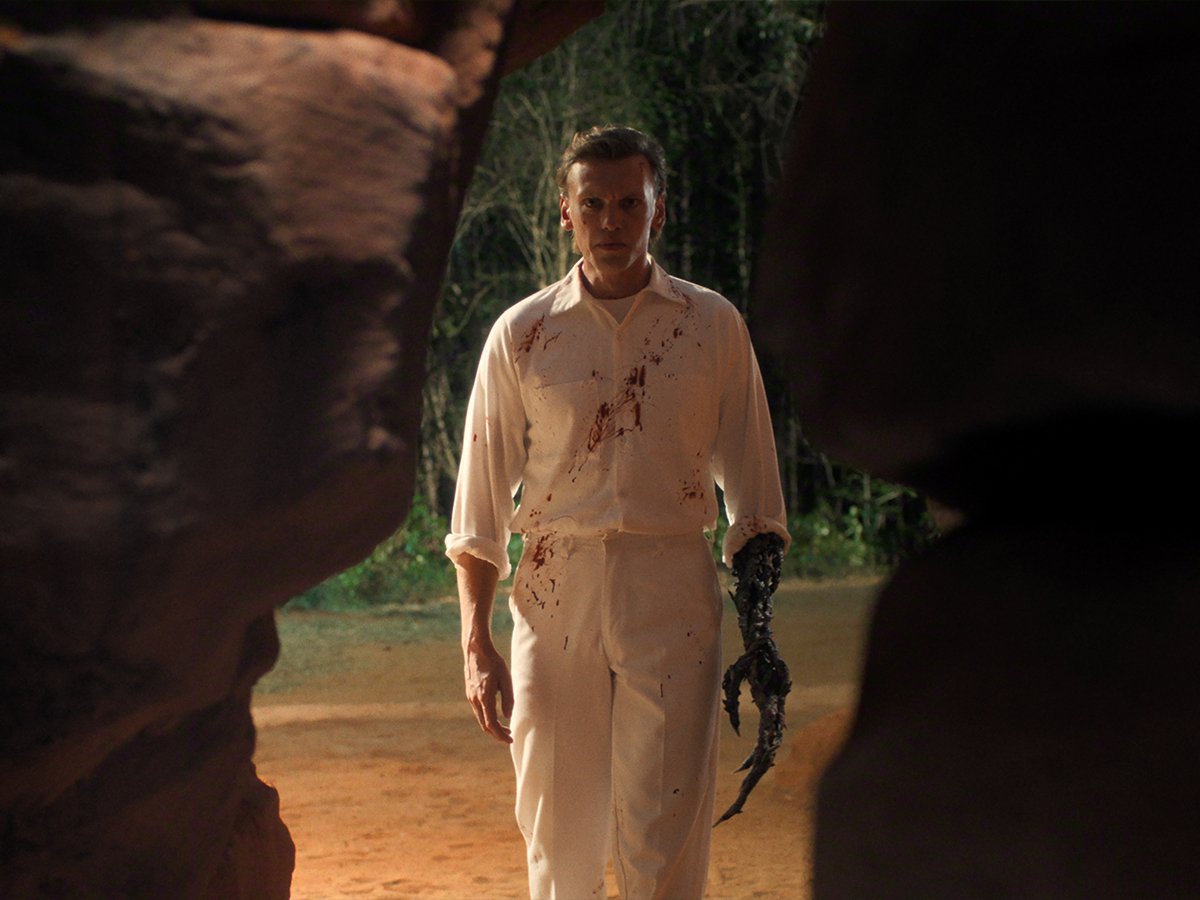
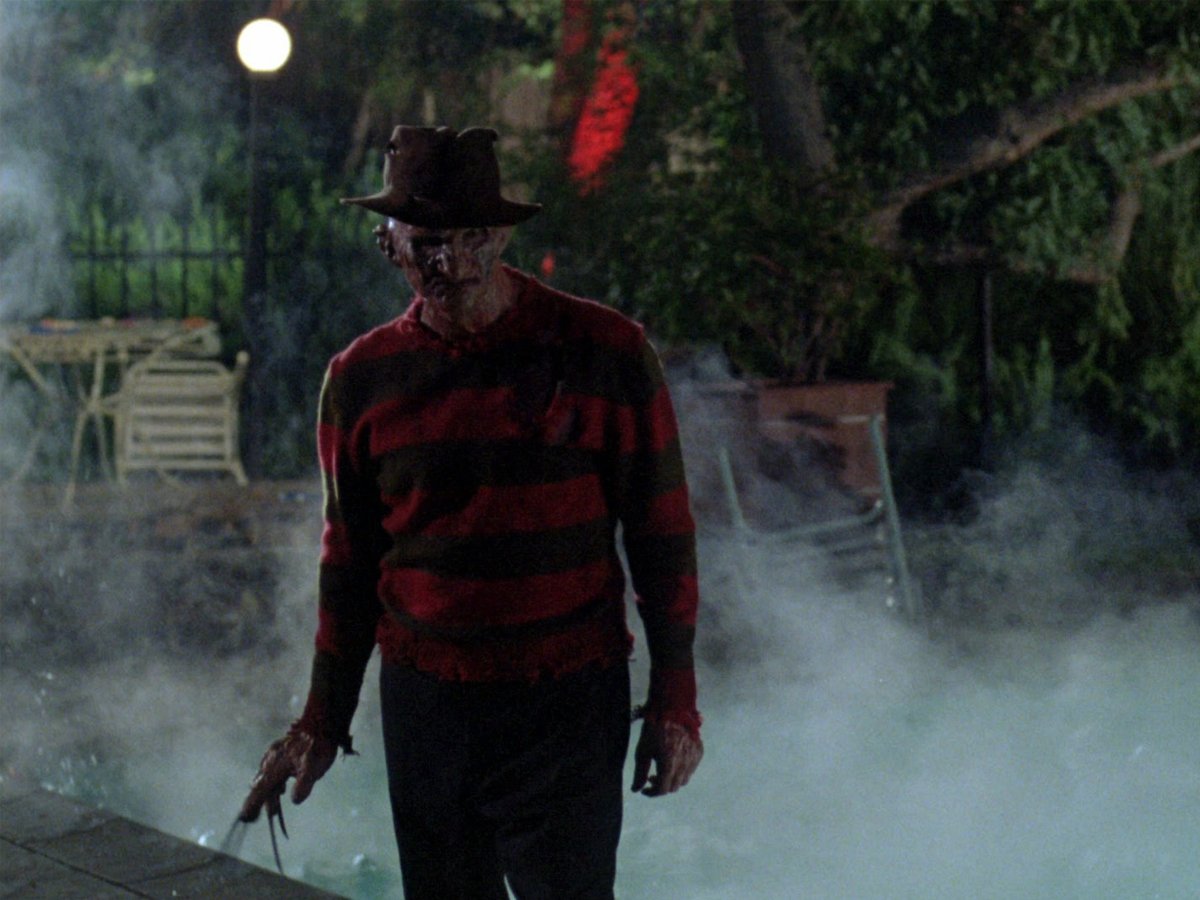
This season, we saw a lot of shots of Vecna’s hand as he walked towards potential victims. The way his claws are outstretched and elongated is very reminiscent of Freddy Kruger in Nightmare on Elm Street. Wes Craven’s 1984 horror classic transformed memory into weaponry, with the main antagonist visiting and haunting victims in a dream world rather than in reality. Vecna is a similar threat, often focusing on past trauma over physical flesh. In many ways, you could argue the whole dream sequence/memory plot is very much a Freddy reference.
13. Murray’s Fake Name
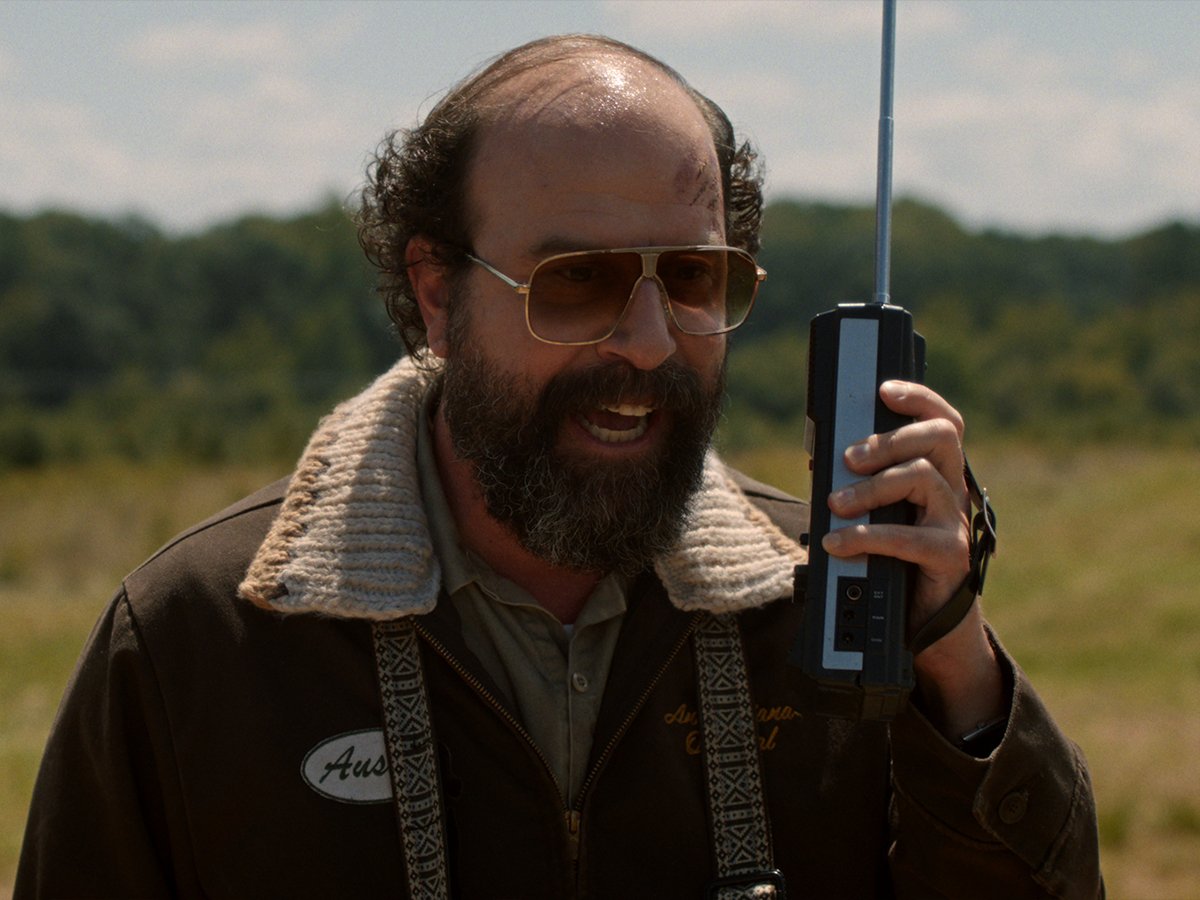
A fun, little one to finish off comes from Murray. When the ally pulls up the town gates to smuggle goods into Hawkins, he tells the military that his name is “Austin Millbarge”, which is the name of Dan Aykroyd’s character in the 1985 John Landis comedy Spies Like Us. It’s a light reference, but one that feels entirely fitting on-brand for the comic-relief character of Murray.
Stranger Things and the Power of ’80s Cinema
From its opening moment in 2016, Stranger Things positioned itself as a series dedicated to reliving some of cinema’s most exciting moments. Harking back to the classic ’80s themes of government conspiracies and pseudo-science, the Duffer brothers and Netflix were able to tap into a profound sense of nostalgia. Every episode featured the same sterile government corridors, flickering lights and analogue paranoia that audiences loved form hit movies like Close Encounters of the Third Kind and The Thing, but with a fresh storyline and a unique cast of characters.
Looking back, it’s clear that the creators used each volume to explore a different component of 1980s cinema. Across five seasons, Stranger Things consistently honoured the balance ebtween horror, sci-fi, mystery and adventure, carefully re-treading important cinematic ground. The way I see it, you can split each Stranger Things season into its own theme:
- Season one channelled suburban sci-fi dread.
- Season two leaned into creature features and Cold War anxiety.
- Season three embraced body horror and consumerist spectacle.
- Season four cracked the door fully open to supernatural terror.
- Season five steps through it, embracing the concept of Red Dawn/Toy Soliders guerilla warfare..
The great sci-fi and horror films of the ’80s trusted mood over exposition, practical effects over digital perfection, and youthful perspectives over adult certainty. They allowed fear, wonder and humour to coexist in the same frame. Across five seasons, Stranger Things has consistently honoured that balance.
For lovers of classic sci-fi who were raised on VHS sleeves, the final season may have been a bit of a let-down, but the evolution of the series deserve some serious praise. In a strange way, the Duffer brothers were able to reignite that sense of nostalgia that has been missing from TV and cinema, giving us something that we could all tune in to and enjoy. Until the inevitable ’90s-themed spin-off that stars Holly and Derek (presumably) kicks off in the not-too-distant future, that’s a wrap on one of streaming’s true success stories.
Stranger Things Season 5 FAQ
Season 5 draws heavily from The Goonies, Predator, Nightmare on Elm Street, Ghostbusters and Red Dawn, with visual and thematic Easter eggs throughout.
The series is built as a homage to 1980s cinema, using familiar imagery and themes to evoke nostalgia while telling a new story.
Yes. The Duffer Brothers have repeatedly confirmed that classic ’80s movies directly influence the show’s tone, visuals and storytelling.