





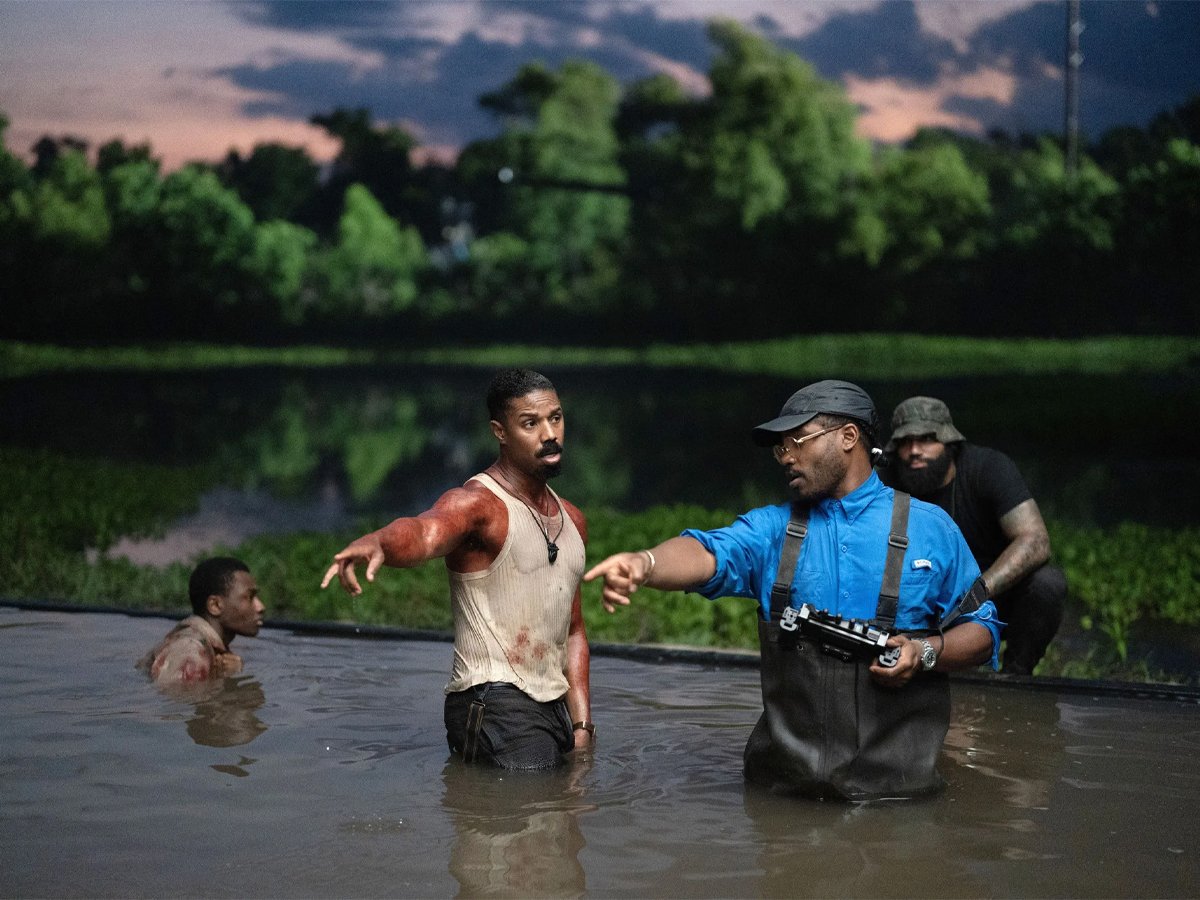
By all accounts, 2025 should have been a blockbuster year for cinema. What started out with a breakout smash from Ryan Coogler and Michael B. Jordan cascaded into the remarkable critical success of acclaimed auteur Paul Thomas Anderson’s One Battle After Another and finished with the second instalment of pop-culture phenomenon Wicked. And yet, despite the gravity-defying highs, the gloomy cloud of dread that hovers over the film industry weighs as heavy as ever.
Flop after box office flop has sent local picture theatres and production studios into a panic, crushed under the weight of economic challenges, cost-of-living pressures and geopolitical issues. This week, the situation entered an unforeseen new chapter, when streaming giant Netflix announced it was acquiring legendary film studio Warner Bros. in a shock deal worth a staggering USD$82.7 billion.
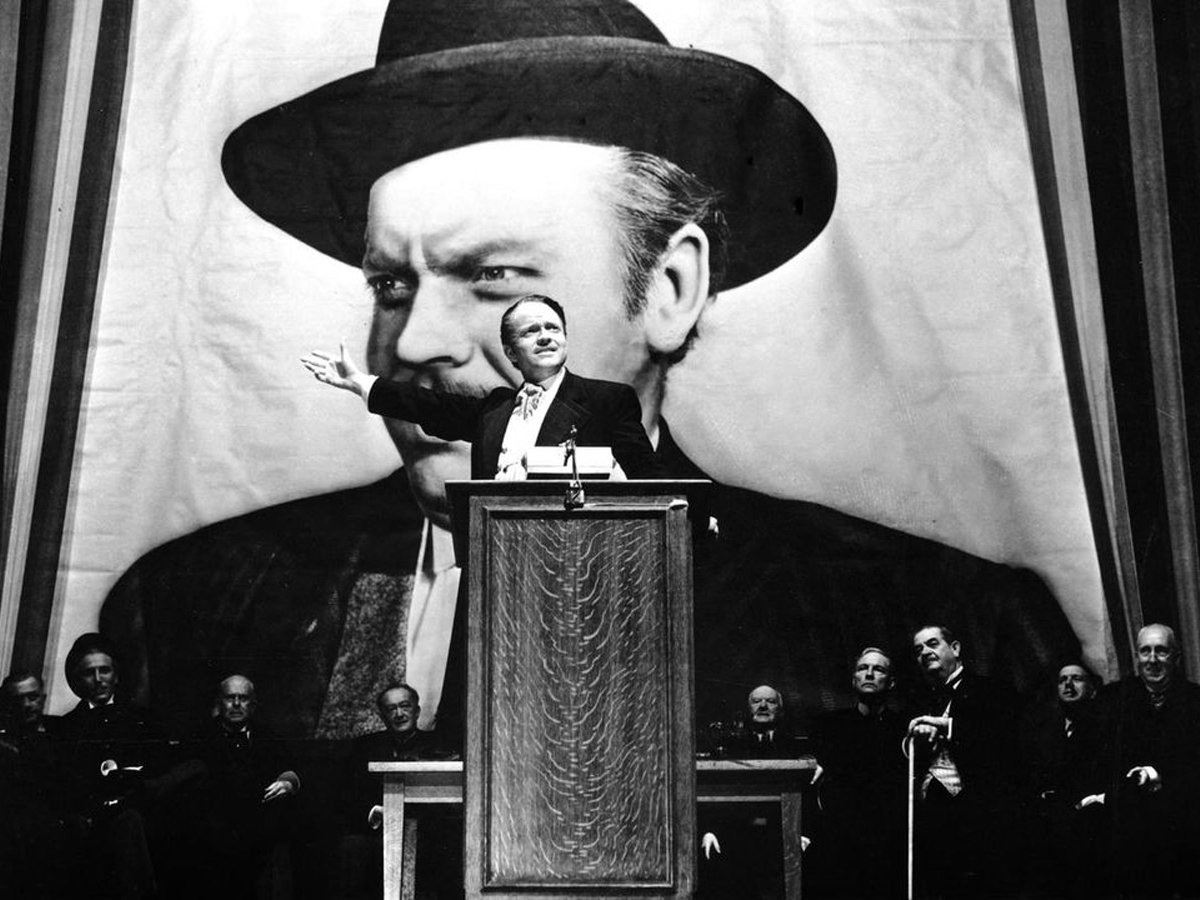
The merger essentially means that the streaming giant will have access to Warner Bros.’ over 100-year vault of classic film and TV titles. From Game of Thrones and Friends to Citizen Kane and both of the aforementioned 2025 hits Sinners and One Battle After Another, Netflix is absorbing one of the most decorated catalogues in entertainment history into its already impressive content bank.
While that might sound great at face value, not everyone is convinced. If you ask the movie-lovers and creatives that have long propped up Hollywood, the Netflix Warner Bros. deal could spell the end of cinema as we know it.

Why is Netflix Buying Warner Bros.?
For Netflix, the Warner Bros. deal opens up a world of new possibilities, namely around already successful IP (intellectual property). Not only does the streaming platform suddenly have access to titles like Harry Potter, DC Comics and Barbie, but it also moves one step closer to the elusive blockbuster tier of filmmaking.
In its 14 years since launching its original production arm, Netflix has never once secured a true big-budget blockbuster. Titles like The Grey Man and The Electric State have certainly had the interest and the financial backing, but have failed to transcend popular culture and slip into the cultural zeitgeist the way that films such as The Matrix or Mad Max have.
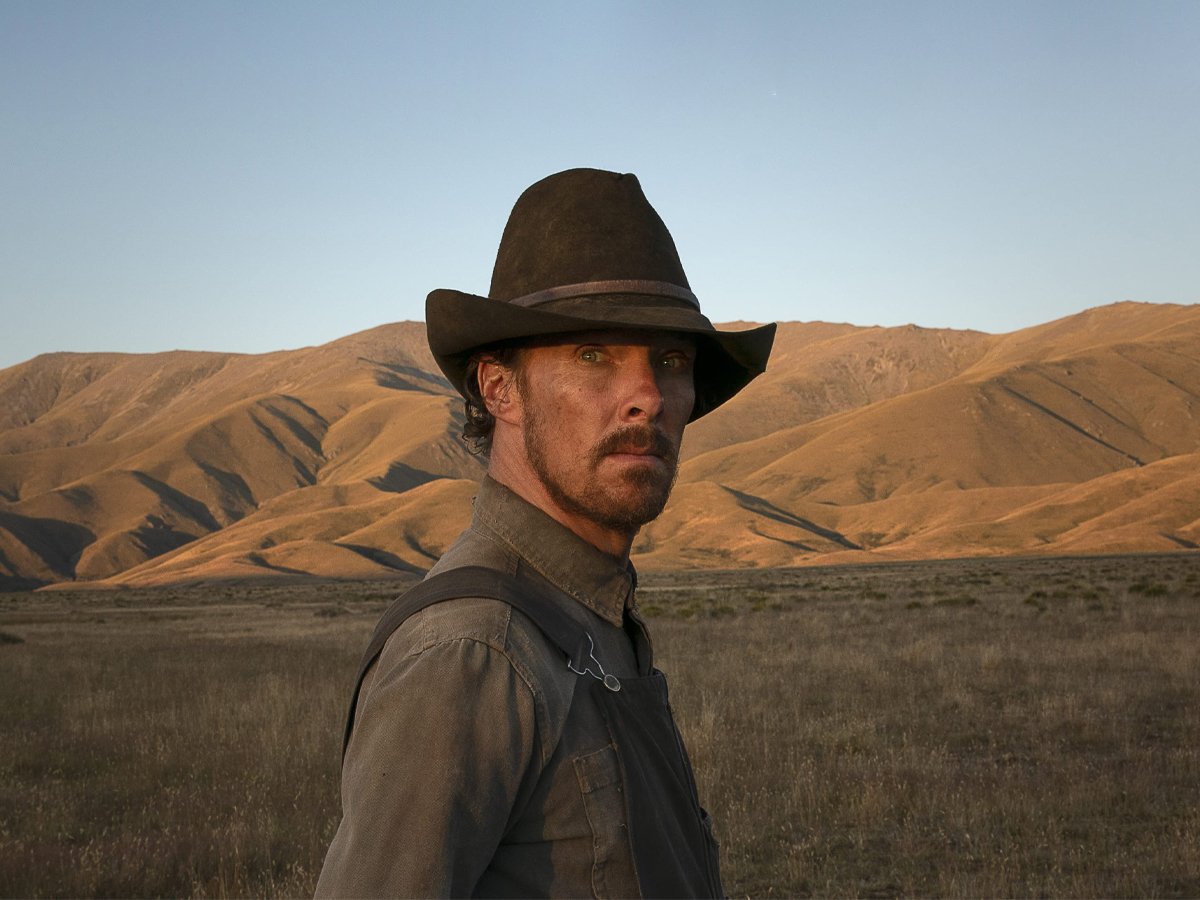
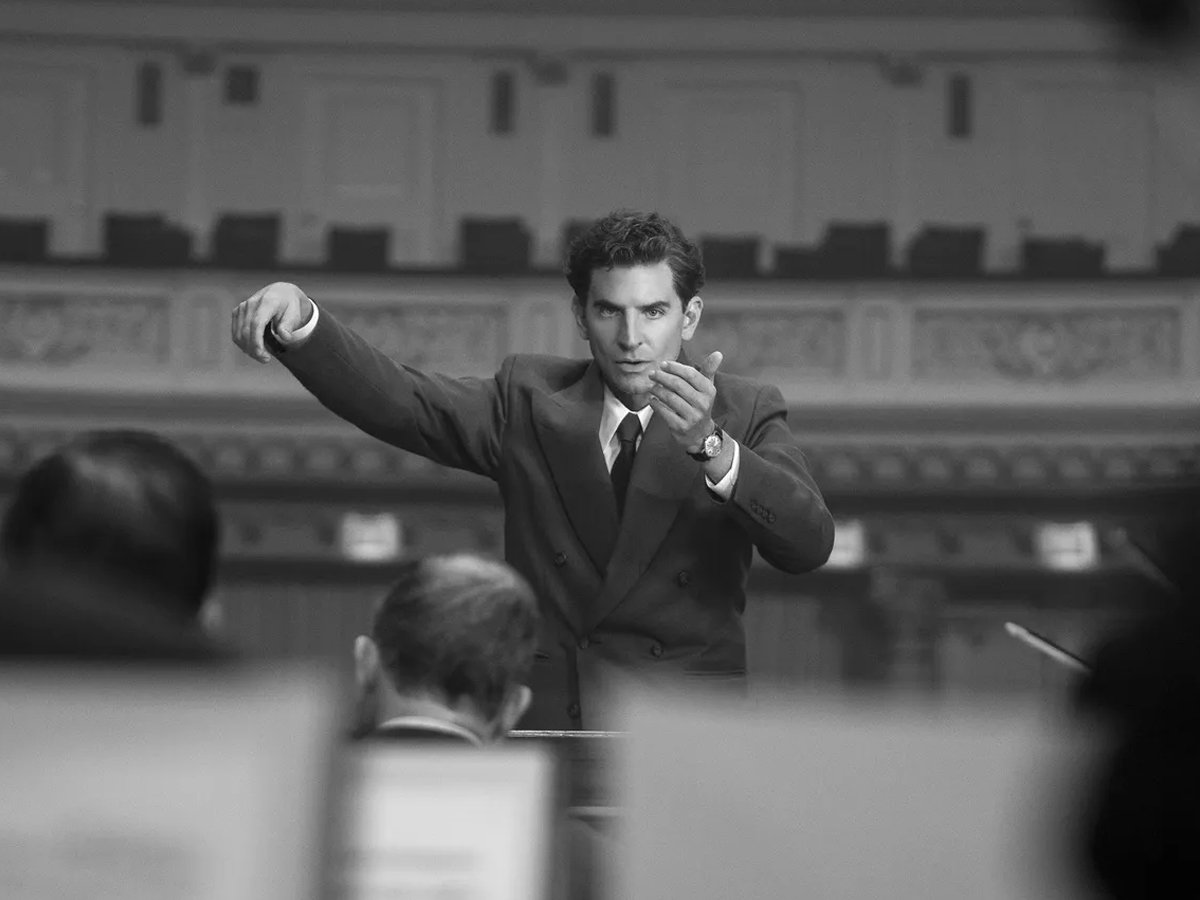
Of course, there is also that pesky Academy Award for Best Picture that continues to evade co-CEO Ted Sarandos and his team of content-hungry analysts (2018’s Roma lost to Green Book, The Power of the Dog lost to CODA and Maestro fell short in 2023). That may all be about to change. Speaking on the merger, Sarandos described the Warner Bros. acquisition as a ‘century-defining’ move for storytelling centred on audience interests.
“Our mission has always been to entertain the world,” Sarandos said in a statement. “By combining Warner Bros.’ incredible library of shows and movies—from timeless classics like Casablanca and Citizen Kane to modern favourites like Harry Potter and Friends—with our culture-defining titles like Stranger Things, KPop Demon Hunters and Squid Game, we’ll be able to do that even better. Together, we can give audiences more of what they love and help define the next century of storytelling.”
What Netflix’s Warner Bros. Acquisition Actually Means
Specifically, the new deal will see Netflix acquire Warner Bros Discovery’s (WBD) film and television studios, along with streaming service HBO Max for a total enterprise value of approximately USD$82.7 billion. The deal comes just weeks after WBD initiated an auction for the company on October 21 after rejecting several unsolicited offers from Paramount-Skydance.
The Netflix deal means that the streaming service will absorb the WBD catalogue of titles, along with millions of HBO Max subscribers. In Australia, it’s not entirely clear what will change for Netflix’s estimated 6.4 million Australian subscribers, particularly as the DAZN Group-owned BINGE currently operates with the exclusive streaming rights to all HBO content.

The End of Cinema as We Know It
But by far the most pressing issue at the heart of the Netflix Warner Bros. deal is what it means for contemporary cinema. As a streaming-first platform, Netflix has always been reluctant to release its original content into theatres, which has come under fire from Hollywood traditionalists.
In recent years, The Academy updated its requirements for Best Picture eligibility, deeming that all films must have an initial seven-day run in a qualifying U.S. city to qualify. The film must then have an expanded run of another seven days (consecutive or not) in 10 of the top 50 U.S. markets (or two international) within 45 days of release.
According to The Academy, the updated regulations were implemented to ensure films recognised for Best Picture had a significant theatrical footprint, moving beyond just a single week to reflect a ‘broader cinema experience’; something Netflix has traditionally struggled with. The Warner Bros. acquisition now gives the streamer more power to wield in arguments against this line of thinking and it has Hollywood up in arms.
Backlash and Criticism
Titanic director James Cameron labelled the buyout a ‘disaster’, while a group of prominent producers lobbied U.S. Congress to oppose the deal. According to entertainment publication Variety, an anonymous group of filmmakers wrote to lawmakers to decree that Netflix would “effectively hold a noose around the theatrical marketplace” should the merger go ahead.
In the letter, the group warned that Netflix could stand to “destroy” the theatrical film marketplace by escalating or eliminating the amount of time Warner Bros. films would play in theatres before hitting a combined Netflix-HBO Max streaming platform. That change would essentially enable Netflix to force down licensing fees paid in post-theatrical windows, impacting millions of jobs.
It’s important to note that Netflix has already addressed these concerns, confirming that Warner Bros’ current slate of films will still be released on the big screen, but Sarandos also mentioned that the window would “evolve”. When you factor in his previous statements, particularly those from the infamous 2023 earnings call where Sarandos said, “Driving folks to a theatre is just not our business”, you start to get a sense that cinema may not be long for this world.
If you ask me, the future of traditional cinema, the one where families roll up to the theatre and watch the spectacle unfold in real time, is slowly being eroded. Entertainment value is dwindling and with studios shifting their focus to the second and third screen economy, the film industry is sinking to depths that even a new James Cameron epic won’t be able to salvage.