


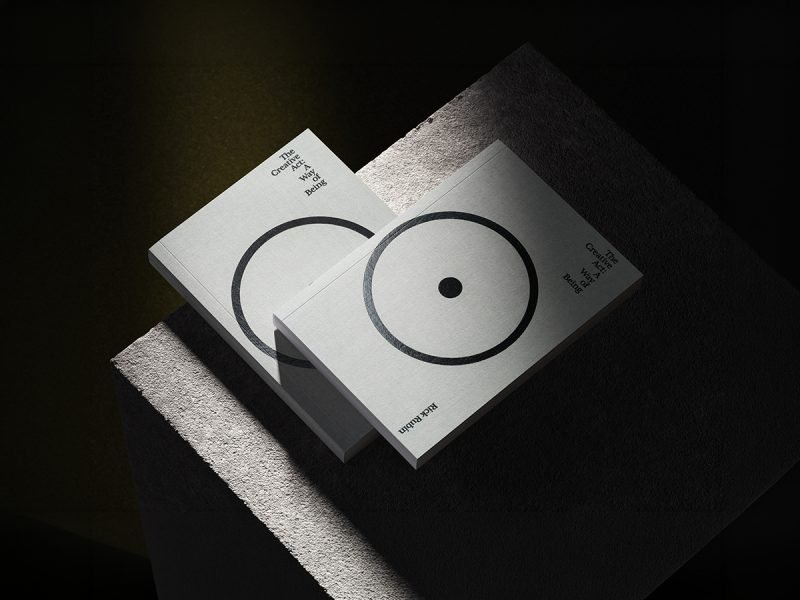

Whether you are an artist, athlete, scientist or chef, creativity is the one characteristic that will get you out of your productivity slump. The ability to think differently and approach challenges from a fresh perspective can help you to deconstruct your work to find new and exciting meaning.
However, creativity is not something that simply emerges from nowhere. It has to be cultivated and nurtured, which is where self-help books on creativity can make a major difference.
From Julia Cameron’s 1992 guide The Artist’s Way to Rick Rubin’s philosophical manifesto The Creative Act: A Way of Being, the best books for creative thinking can help you to through a mental block and get back into the studio.
In this article, I’ll share the best books for artists, designers and makers that I have read since quitting my corporate job and delving into full-time creative work. Some act as a pseudo framework for living a more creative life, while others are helpful in expanding your creative palate, so think about what you hope to get out of your creative journey and, more importantly, what is missing.
Best Books on Creativity
If you are a creative person, you probably know the feeling of wanting to make something but struggling to find the motivation to actually do it. Sometimes it’s a case of imposter syndrome, other times it just a lack of inspiration, but it all leads to the same creative dead end. The following books hold the key to moving forward.
The books for artists and makers explore creativity, craft and the act of making, helping you find your way back to the work.
Table of Contents
- Best Books on Creativity
- 1. The Artist’s Way by Julia Cameron
- 2. The Creative Act: A Way of Being by Rick Rubin
- 3. Ways of Seeing by John Berger
- 4. Art & Fear: Observations on the Perils (and Rewards) of Artmaking by David Bayles and Ted Orland
- 5. Steal Like an Artist by Austin Kleon
- 6. The Unknown Craftsman by Sōetsu Yanagi
- 7. The Creative Habit by Twyla Tharp
- 8. The Craftsman by Richard Sennett
- Things to Know About Creativity Books
- Why Trust Me?
- Creativity Books FAQ
- More Art & Design Stories
1. The Artist’s Way by Julia Cameron
| Title: | The Artist’s Way |
| Author: | Julia Cameron |
| Year Published: | 1992 |
| Best For: | Creative beginners/Stalled artists |
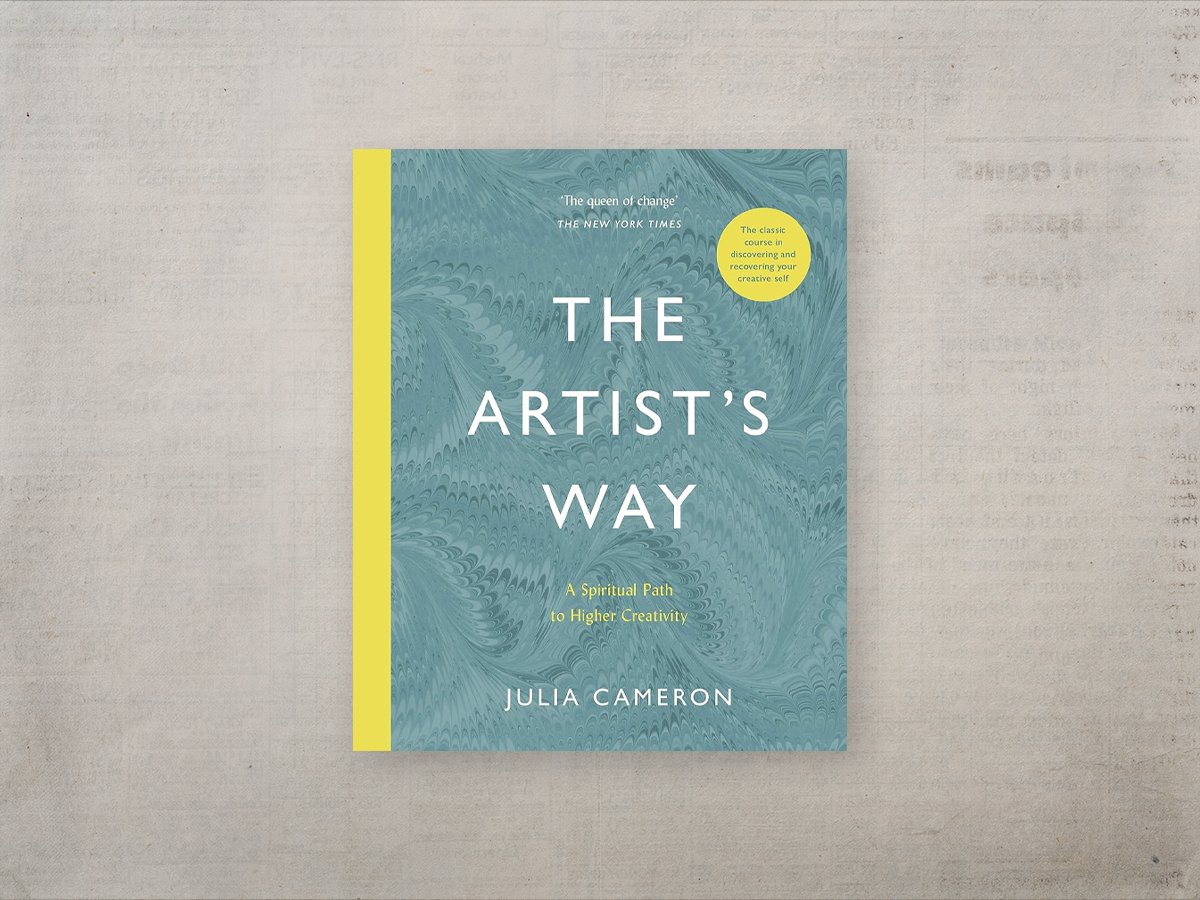
If I could recommend one book to anyone starting their creative journey, Julia Cameron’s 1992 release The Artist’s Way would be it. The influential guide is a fantastic exploration of creativity outside of the art world, demonstrating its profound emotional impact.
It is, in essence, a 12-week program designed to help you recover your creativity and overcome the blocks that stop you from making things. Through exercises like Morning Pages and Artist Dates, Julia Cameron helps you quiet your inner critic, reconnect with your curiosity and rebuild a creative practice. It’s a great starting point if you feel stuck, uninspired or disconnected from your work.
The programme centres on two exercises: Morning Pages, in which you write three pages of longhand stream-of-consciousness writing each morning, and Artist Dates, which involve setting aside time to do something that feeds your curiosity. Neither is particularly complicated and at first, they will be annoying to get through, but with time, you will learn to love them. The first helps you clear the mental clutter, while the other encourages you to take time to replenish your creative resources by paying attention to the world around you.
I’ve worked through The Artist’s Way myself and I’m still actively working with its ideas. What I’ve found valuable is the way it encourages you to examine your relationship with creativity before worrying about what you’re producing. A great introduction to the world of making, The Artist’s Way was originally written to help people with creative recovery. As someone who has gone through it and is still actively working on it, I can say that it has been a huge help.
Read this if… You’ve lost momentum, keep putting off personal projects or find yourself waiting for the perfect idea before you begin. It’s a particularly good starting point if you want a structured creativity programme rather than another book of abstract advice.
2. The Creative Act: A Way of Being by Rick Rubin
| Title: | The Creative Act: A Way of Being |
| Author: | Rick Rubin |
| Year Published: | 2023 |
| Best For: | Artists/Creators who struggle with the pressure to create |
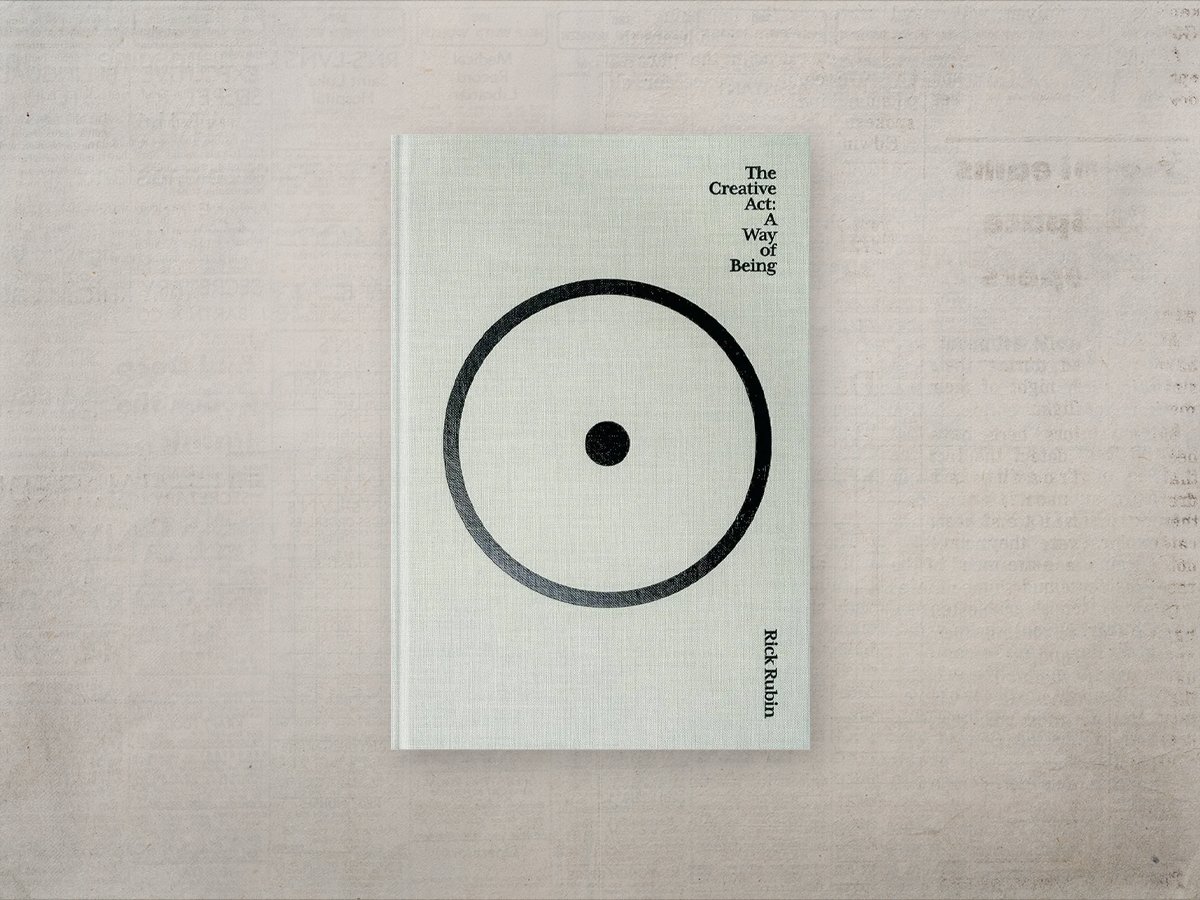
If you are just beginning your creative journey, Rick Rubin’s 2023 manifesto The Creative Act: A Way of Being is probably the best place to start. The influential music producer and tastemaker’s 432-page philosophical guide promotes creativity as a meaningful, ongoing and necessary relationship with the world
Across short, reflective chapters, the record producer explores curiosity, attention, intuition and the importance of creating the conditions for ideas to emerge. It’s less of a step-by-step manual and more of an introductory guide encouraging creative people (and those who want to be more creative) to consider the world around them.
Many of the concepts here won’t be revolutionary, particularly if you have already read The Artist’s Way, but they are no less important. When I was working in corporate jobs and struggling with purpose, The Creative Act helped me to deal with my creative exhaustion. It’s a simple reminder to slow down and pay attention.
I found that the book is most useful when you approach it as a collection of ideas rather than a cohesive guide. Rubin’s writing leaves a lot to the imagination, and at times, it can feel a little too airy and spiritual, but the message is very strong: making art and being creative are practices that you must learn to live with.
Read this if… You find yourself creatively tired, overcomplicating a project or struggling to find a way into an idea.
3. Ways of Seeing by John Berger
| Title: | Ways of Seeing |
| Author: | John Berger |
| Year Published: | 1972 |
| Best For: | Students/Academics |
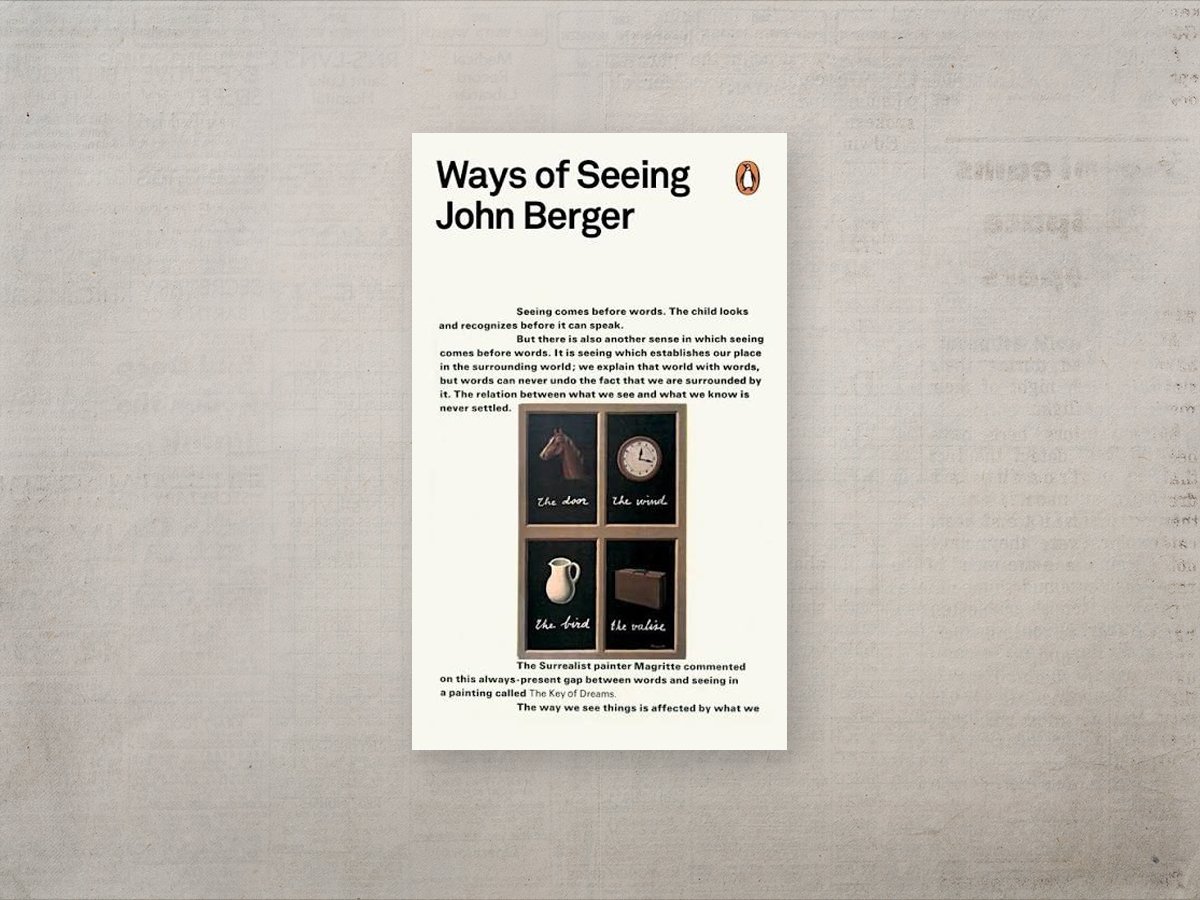
You may have seen the BBC series of the same name from the ‘70s, but John Berger’s book Ways of Seeing really dives into the role of art in Western civilisation with much more nuance. The text, which has become a sort of manifesto for interpreting everyday life, challenges how we look at and interpret images.
Throughout the book, Berger explores the relationship between art, advertising, culture and power. He often questions the assumptions that shape our understanding of what we see, which can be a unique reading experience.
Berger examines everything from European oil painting to advertising, drawing connections between images, power, class and consumerism. His writing is direct, but the ideas encourage you to question assumptions you might otherwise take for granted.
For me, this is one of the most valuable books on the list for anyone who works visually. As a journalist and filmmaker documenting artists in their studios, I’m interested not only in how images are made but also in how they communicate ideas about the people, objects and environments they represent.
At times, I found myself rereading large sections just to pick up more information. For artists, designers and anyone interested in visual culture, it’s a book that can fundamentally change how you look at the world and, in turn, how you make things. It might be a little outdated by today’s standards, but the message here rings as true as ever.
Why revisit it today? We encounter an extraordinary volume of images every day, from social media feeds and advertising campaigns to AI-generated visuals. Ways of Seeing offers a way to slow down and interrogate what those images are doing.
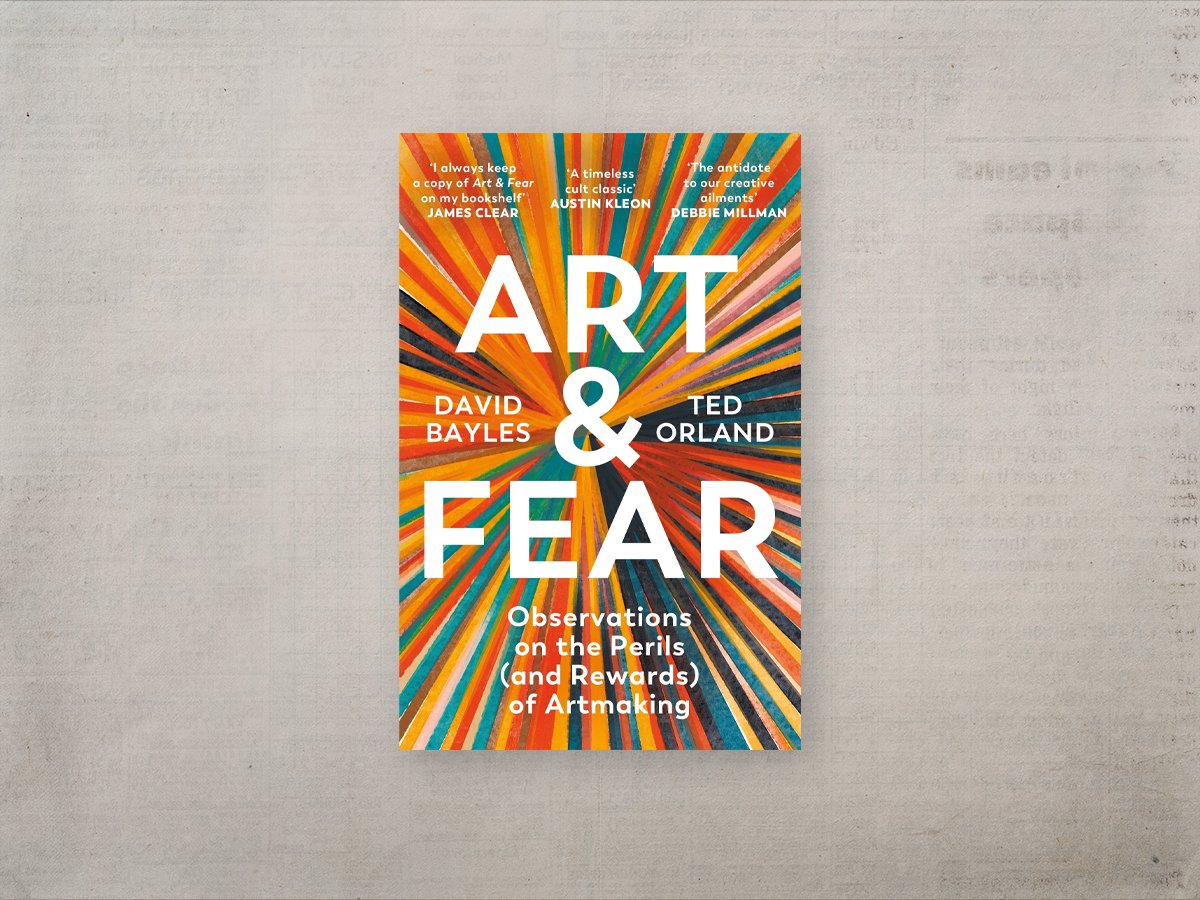
4. Art & Fear: Observations on the Perils (and Rewards) of Artmaking by David Bayles and Ted Orland
| Title: | Art & Fear: Observations on the Perils (and Rewards) of Artmaking |
| Author: | David Bayles and Ted Orland |
| Year Published: | 1993 |
| Best For: | Beginners/Students |
Art & Fear: Observations on the Perils (and Rewards) of Artmaking examines the emotional and practical challenges that stop artists from making the work they want to make. Authors David Bayles and Ted Orland masterfully explore the whole gamut of creative problems, providing actionable solutions.
The duo cover everything from self-doubt and perfectionism to fear of failure and the difficulty of finishing projects. If you’ve ever abandoned an idea because it wasn’t good enough, this book can help to reassure you that uncertainty is part of the process and the only way through it is to keep making.
Rather than promising to eliminate creative anxiety, Art & Fear: Observations on the Perils (and Rewards) of Artmaking helps you understand it and recognise that fear doesn’t have to determine whether you do the work.
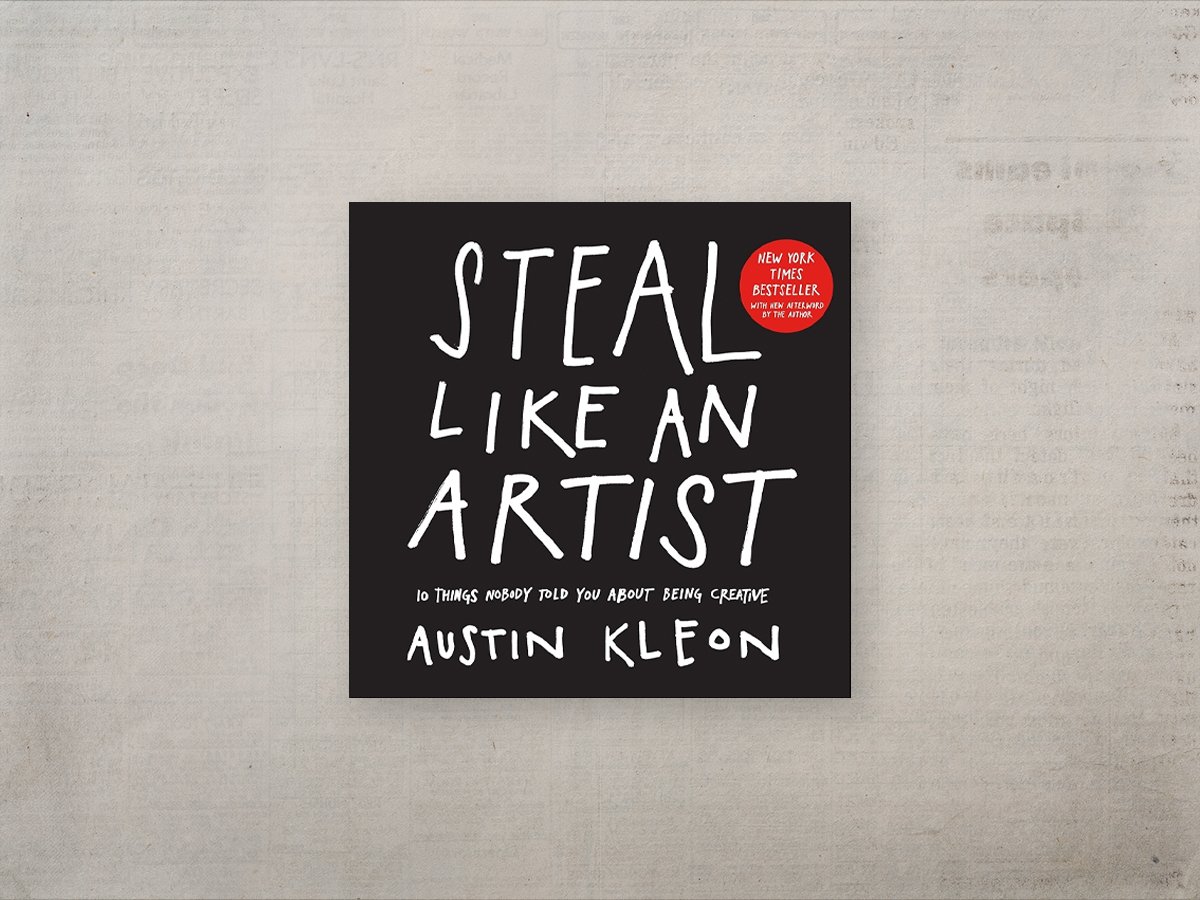
5. Steal Like an Artist by Austin Kleon
| Title: | Steal Like an Artist |
| Author: | Austin Kleon |
| Year Published: | 2012 |
| Best For: | Aspiring creators/Students/Designers |
Steal Like an Artist is a short, practical guide to creativity built around a simple idea: no artist creates in a vacuum. In this cheeky, quick read, artist and writer Austin Kleon encourages you to study the people you admire, collect influences and combine existing ideas in ways that feel uniquely your own.
If you’re paralysed by the pressure to be original, this book gives you permission to start by borrowing, experimenting and following your curiosity. It is packed with accessible advice and lots of visual examples in Kleon’s trademark style, and I’ve found myself returning to it over and over again whenever I need a nudge to stop overthinking and start creating. (It happens a lot).
If you are a fan of Kleon’s work, he also has a popular Substack which shares a weekly Friday email newsletter with ten things worth knowing. It’s a great, bite-sized way to learn more, think creatively and expand your collective taste palette.
Read this if… you are struggling with inspiration and influences. This book will help you to identify things within your favourite artist’s work and allow you to deconstruct it for your own work.
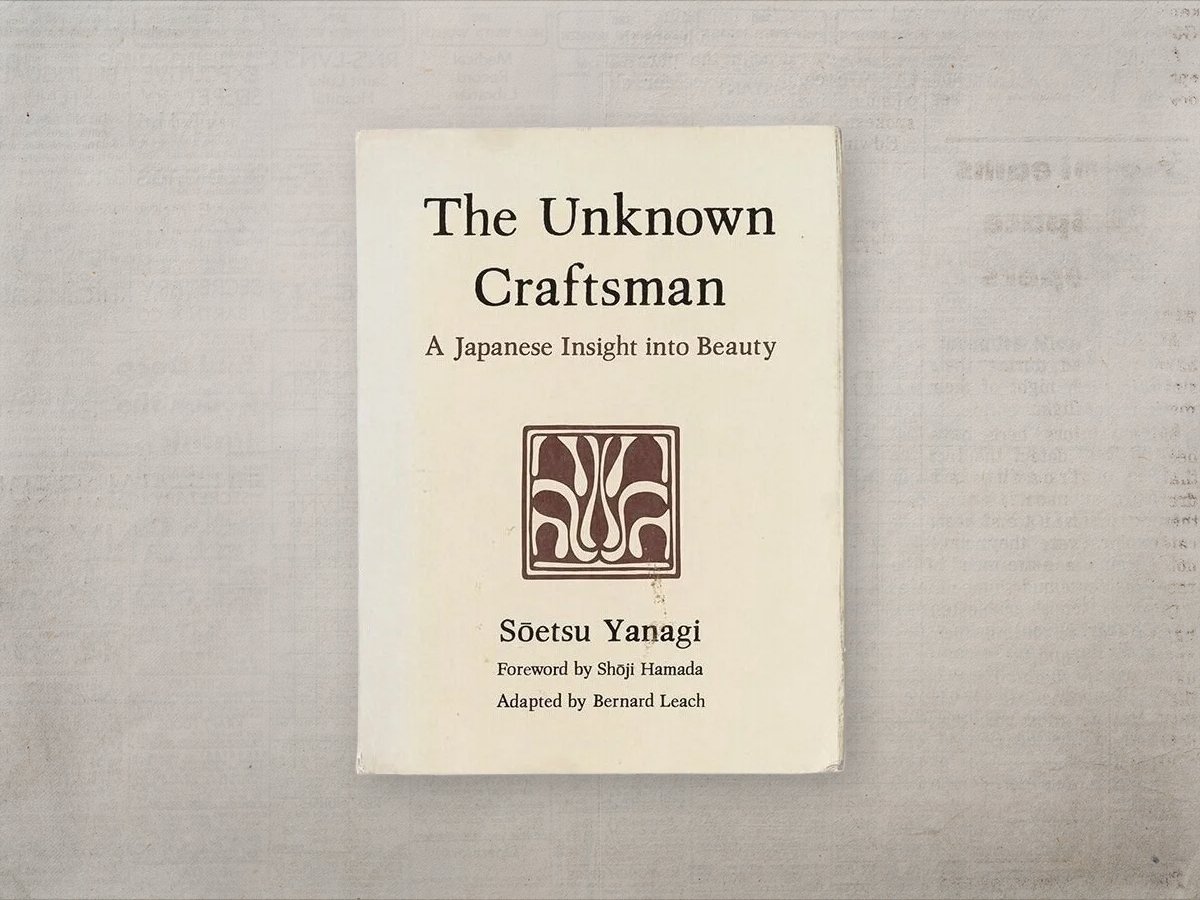
6. The Unknown Craftsman by Sōetsu Yanagi
| Title: | The Unknown Craftsman |
| Author: | Sōetsu Yanagi |
| Year Published: | 1972 |
| Best For: | Artisans/Makers |
The Unknown Craftsman by Soetsu Yanagi explores the traditional Japanese appreciation for “objects born, not made”. It really looks at this idea of measuring the value of handwork. First published in English in 1972, the book is primarily concerned with the beauty of traditional folk crafts and the value of handmade.
The japanese philosopher celebrates the humble, often anonymous craftspeople whose work finds beauty through utility, repetition and a deep understanding of materials, rather than individual recognition.
At the time, it was a fascinating and powerful counterpoint to the emerging technological culture of the 1970s, subverting the rapidly evolving obsession with authorship and personal branding. More than 50 years on, Yanagi’s teachings are more relevant than ever, suggesting that the quality and integrity of the work can matter far more than the name attached to it.
Read this if… you’re a designer, ceramicist, furniture maker or anyone who works with physical materials. The Unknown Craftsman offers a useful argument against to the pressure to make something entirely new.
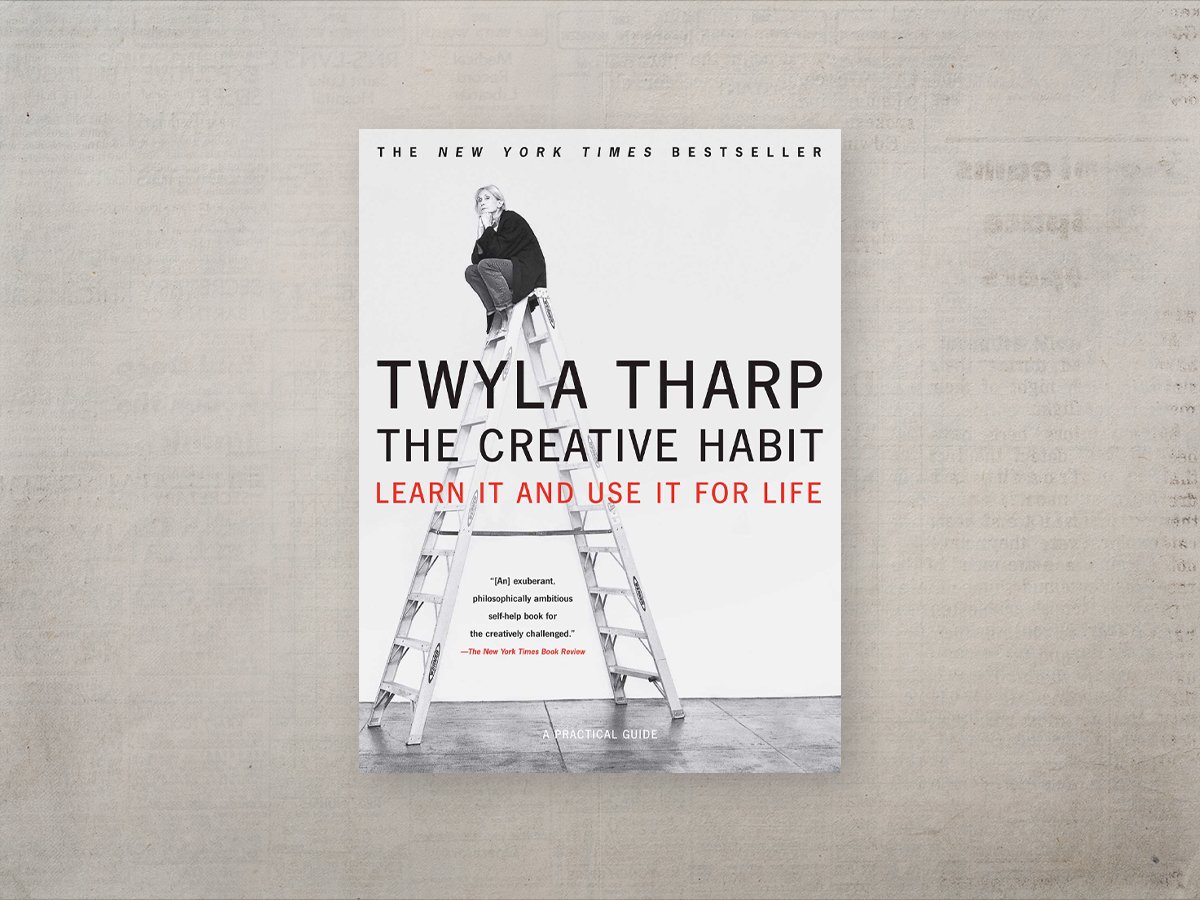
7. The Creative Habit by Twyla Tharp
| Title: | The Creative Habit |
| Author: | Twyla Tharp |
| Year Published: | 2003 |
| Best For: | Business Professionals/Entrepreneurs |
In The Creative Habit, legendary choreographer Twyla Tharp argues that creativity is less about waiting for inspiration and more about building habits that make good work possible. Her theory is pretty simple, but that’s what makes it so effective.
Tharp uses practical exercises and lessons drawn from her career to explain how preparation, discipline and repetition can help you develop a reliable creative process. It’s particularly useful if you have plenty of ideas but struggle to turn them into consistent, finished work. Tharp’s approach is perhaps the best example that showing up regularly, even when you don’t feel inspired, is often what separates a good idea from something real.
One of Tharp’s most useful ideas is that the creative process begins before the moment of inspiration. A lot of the book focuses on learning how you personally work best and recognising the habits that will help you concentrate even when motivation is low.
What I found interesting about this book is how she uses choreography as a means of expressing analogies. I don’t pretend to know anything about dance, but the lessons explained here are so well articulated that the theories become entirely universal.
Read this if… You are struggling to stay motivated or your lack a framework for consistency in your creative practice.
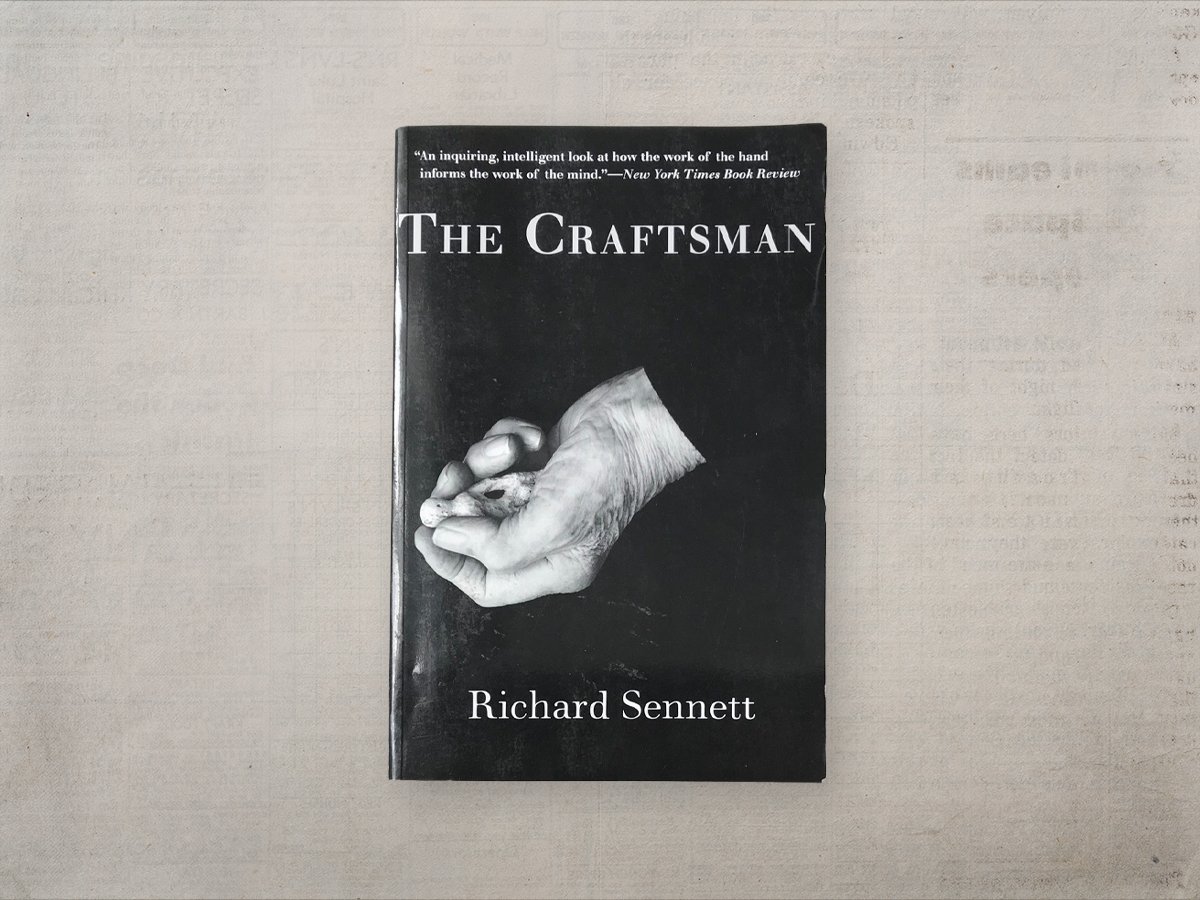
8. The Craftsman by Richard Sennett
| Title: | The Craftsman |
| Author: | Richard Sennett |
| Year Published: | 2008 |
| Best For: | Makers/Artisans |
In The Craftsman, sociologist Richard Sennett explores the human desire to do something well for its own sake. Drawing on examples from artisans and musicians to cooks and computer programmers, he examines how skill develops through repetition, patience and a willingness to learn from mistakes.
It’s a reminder that meaningful creative work isn’t always about the finished product; sometimes, the satisfaction comes from getting better at the process. If you’re caught up in chasing outcomes, recognition or perfection, this book encourages you to find meaning in the work itself.
For me, this book was pivotal is revealing how different industries, occupations and physical experiences can harness creativity as a means of growth. It doesn’t matter what you do, creativity and the ability to think different will always help you to solve a problem.
I think this is an especially useful perspective for creatives working in an environment that encourages us to produce more, publish faster and constantly demonstrate our value. The latter requires attention, experience and a willingness to stay with a problem long enough to understand it.
Read this if… you’re interested in the philosophy behind making, rather than simply how to generate ideas.
Things to Know About Creativity Books
When it comes to books on creativity, it is important to understand the many nuances of each. Some titles are aimed at emerging creatives who are struggling with motivation and inspiration, while others are more concerned with art analysis and creative thinking.
Knowing what you are looking for can help you to choose the best book on creativity for your needs. When I first started looking for self-help books on creativity, I focused more on daily habit formation and rituals. The information and guides outlined in The Artist’s Way and The Creative Act: A Way of Being proved to be the most beneficial in this area. However, the more I looked into the science of creativity, the more intriguing different aspects became.
For art analysis and interpretation, I would highly recommend Ways of Seeing, while for purpose-led exploration, Art & Fear is an excellent place to start. Remember, if you are looking to address a creative problem, being able to articulate your challenges is extremely helpful.
Why Trust Me?
As a journalist and filmmaker who spends time documenting artists in their studios, I’ve written thousands of articles and interviewed hundreds of psychologists, self-help experts and creative business practitioners, however, that has very little bearing on this creativity reading list. In reality, my interest in these books comes from my experience on the other side of corporate life: crippling self-doubt.
For many years, I battled with creative indifference, struggling to find purpose as a writer and journalist. The stories I felt proud of didn’t resonate and the ones that did rarely felt as though they were worthy of meaning. So, I went looking for a new perspective and found it in the early morning pages of Julia Cameron’s The Artist’s Way.
The book kickstarted my journey through the psychological framework of creativity, the deeper into which I fell, the more I started to understand my motivations, sympathies and what inspired me. The books on this list are what helped me the most to recapture that sense of creative inspiration and the drive to make things of meaning.
It is by no means an exhaustive list and I daresay it will grow as the years continue to go by. In the meantime, however, use this as a guidebook to your next guidebook, and don’t be afraid to send through suggestions of new titles to add to the list. I’m always eager to expand my thinking.
Creativity Books FAQ
Some of the best creative books for artists include The Artist’s Way by Julia Cameron, The Creative Act: A Way of Being by Rick Rubin, The Craftsman by Richard Sennett and Art & Fear by David Bayles and Ted Orland. These books explore creative practice, artistic discipline, self-doubt and the process of making meaningful work.
The Artist’s Way by Julia Cameron is a 12-week creativity program designed to help people overcome creative blocks and reconnect with their artistic instincts. It introduces exercises such as Morning Pages and Artist Dates to encourage self-reflection, experimentation and a more consistent creative practice.
Yes, particularly if you struggle with perfectionism, self-doubt or finding time for your creative work. Its structured exercises encourage you to develop a regular creative routine and explore ideas without the pressure of producing something perfect.
Rick Rubin’s The Creative Act: A Way of Being explores creativity as a mindset rather than a skill reserved for professional artists. Through short, reflective chapters, Rubin discusses curiosity, observation, intuition and the conditions that help creative ideas emerge.
More Art & Design Stories
Interested in reading more art and design news, reviews and guides? MADE Journal has you covered. In addition to our architecture and design features, we publish regular content focused on new exhibitions, restoration projects and community developments that work alongside local communities. Check out some of our other art and design coverage:
- Why This Bentley Designer Swapped Supercars for Sofas
- Inside the Lisbon Studio Where Memory Becomes Art
- The Interior Designer Who Believes Every Home Needs a Soundtrack
- ’The Only True Protest is Beauty’: Fondazione Dries Van Noten’s Striking Debut Revealed
- The Artist Behind Vogue’s Most Iconic Illustrations is Finally Back in Focus
- Never-Before-Seen David Lynch Artworks to Reveal the Artist Beyond Film
- The Underground Art Scene at the End of the World
- Fashion Designer Dries Van Noten is Defending Craftsmanship
- How Rachael Gowdridge Turned a Public Toilet into the UK’s Hottest New Hotel