


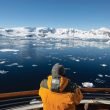

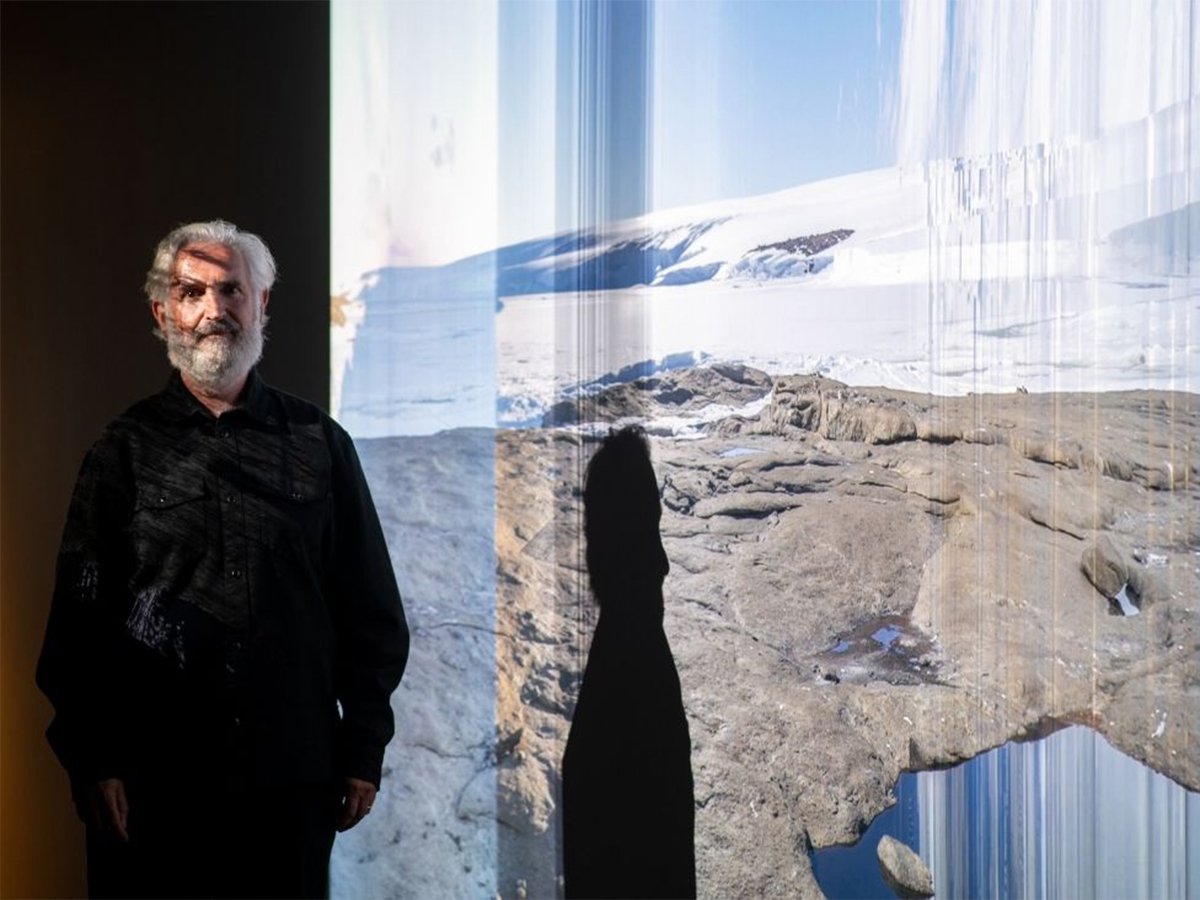

Artist communes have a certain reputation. The stark and stereotypical image of cross-legged creatives in converted warehouses is hard to shake, but there is nothing typical about this co-op. In the seemingly endless abyss that is Antarctica, where the wind presses hard against your chest and the ice groans beneath your boots, a burgeoning underground art scene is flourishing.
For more than 40 years, a small and largely overlooked contingent of Australian artists has been embedded within the nation’s Antarctic program. Through the Australian Antarctic Art Fellowship, creatives are sent south on a rare kind of mission. They travel to Antarctica or the sub-Antarctic not as tourists and not quite as scientists, but somewhere in the middle; conscious observers embedded within the research program.
They may sleep in the same quarters as the glaciologists and eat beside engineers, but their objective is vastly different. Instead of extracting samples, these artists and creatives are there to make sense of the atmosphere, transforming their encounters into compelling experiential work, explored through mediums such as visual arts, performance, literature and music.
“The Australian Antarctic Arts Fellowship places artists and writers within the Antarctic program, not as observers but as embedded participants,“ Professor Philip Samartzis, sound artist and lead curator of Creative Antarctica tells me. “It recognises that cultural interpretation is part of how Australia understands its Antarctic presence. I became involved through my longstanding work with sound, environment, and remote infrastructures. Antarctica felt like a natural extension of that inquiry into listening, place, and perception.“
Art in Antarctica
Antarctica is often framed as a blank canvas; a place of vast emptiness at the very edge of the modern world, but that narrative is a mere convenience. It obscures infrastructure, geopolitics and the reality that the continent plays a central role in shaping global climate, sea levels and weather systems.
For Samartzis, a sound artist whose work largely focuses on deep fieldwork, the idea that Antarctica is silent is ludicrous.
“Antarctica isn’t silent; it’s full of pressure, wind, shifting ice, distant machinery, the movement of structures under stress,“ Samartzis explains. “Listening there heightens awareness of atmosphere itself. You begin to hear weather as architecture…It’s not distant in any real sense,“ he says. “Arts programs translate that abstraction into something felt and experiential, offering an imaginative access point where data or news media can’t reach.“
In that way, Antarctica isn’t dissimilar to any other underground art scene. It provides a platform for contemporary artists to explore themes of cultural significance, identity and politics that would otherwise have gone unheard. A place where natural, anthropogenic and geophysical forces shine, Antarctica could well be the ultimate artistic vantage point. It exists at the intersection of art and science, two disciplines that Professor Samartzis believes “operate at different registers but intersect constantly“.
“Science gives us precision. Art asks how that feels, what it means, how we live with it imaginatively.“
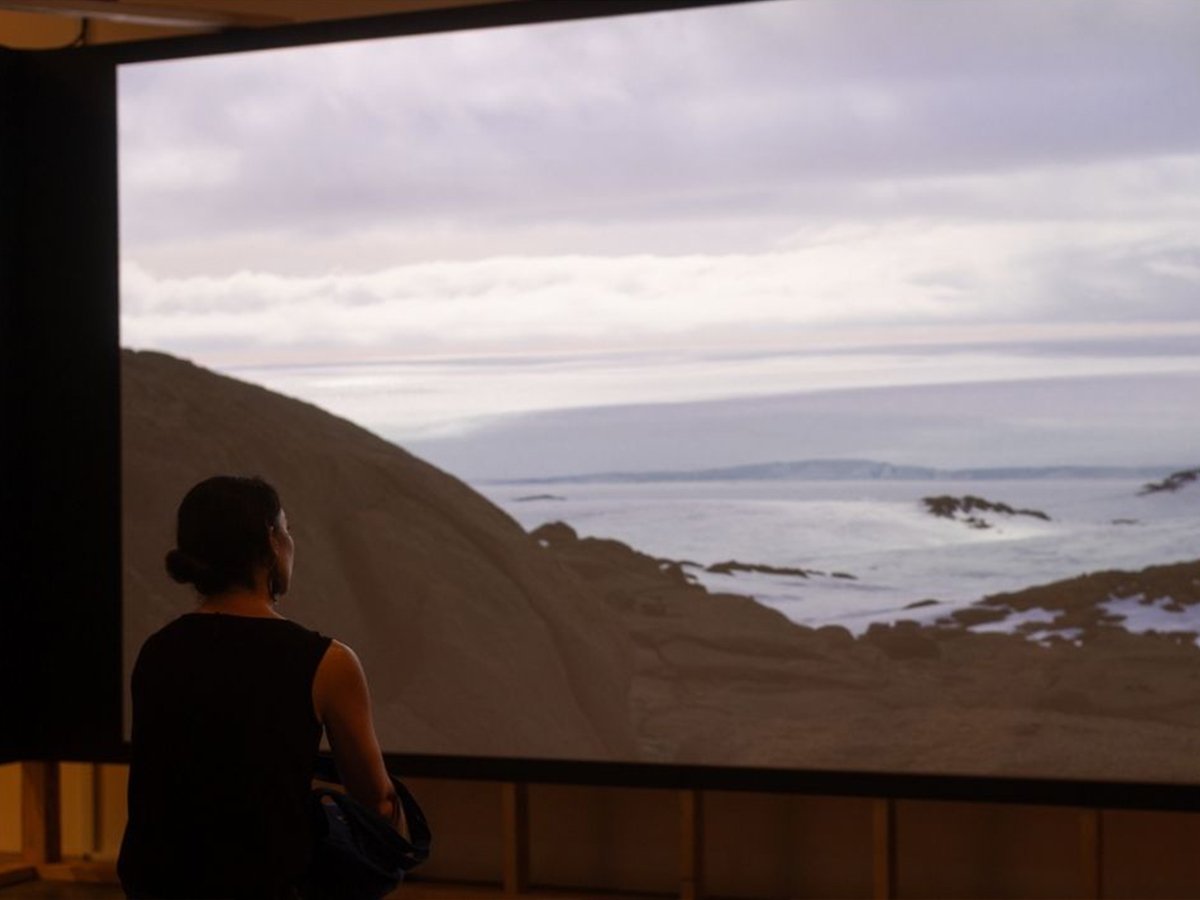
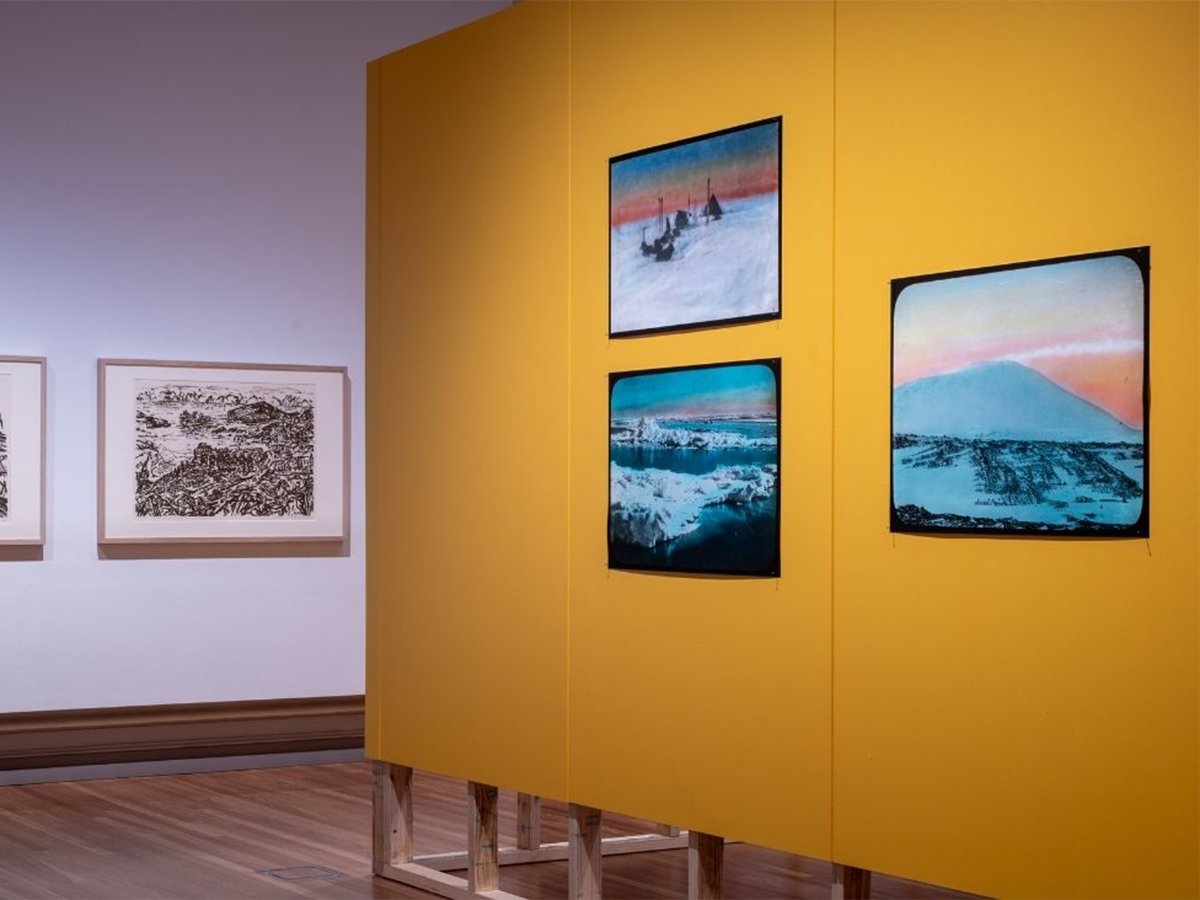
Now, the two are becoming one. RMIT has this week launched Creative Antarctica: Australian Artists and Writers in the Far South, the largest Antarctic art exhibition in the country. Containing artwork spanning more than 100 years, the exhibition charts how creative practice has expanded the Antarctic narrative beyond exploration and science, presenting the continent as something far more complex.
“It’s about how Antarctica exists in the mind; as wilderness, frontier, laboratory, emptiness, purity,“ Professor Samartzis says. “Artists and writers complicate those narratives. They expand the frame, showing Antarctica as infrastructure, political, inhabited, unstable; not just sublime and white.“
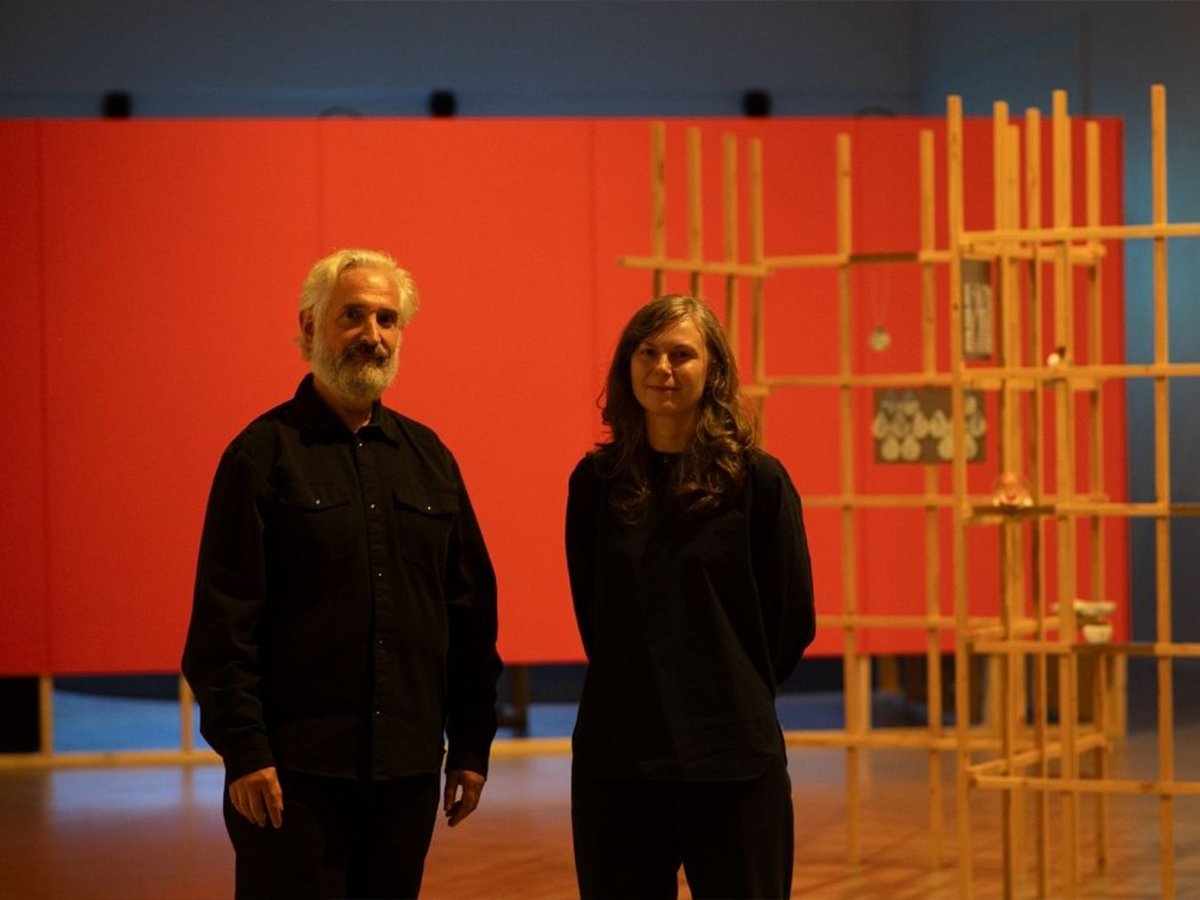
It’s a sentiment share by contributing artist Polly Stanton, who recently returned from a fellowship. During her time in the region, the visual artist focused on creating work that centred on how human impacts intersect with the natural world. The experience was profound.
“Antarctica has a way of transforming everyone who spends time there, regardless of their background or creative discipline,“ Stanton says. “It strips away the non-essential and leaves you with something fundamental about your work, about yourself and about your place in the world.“
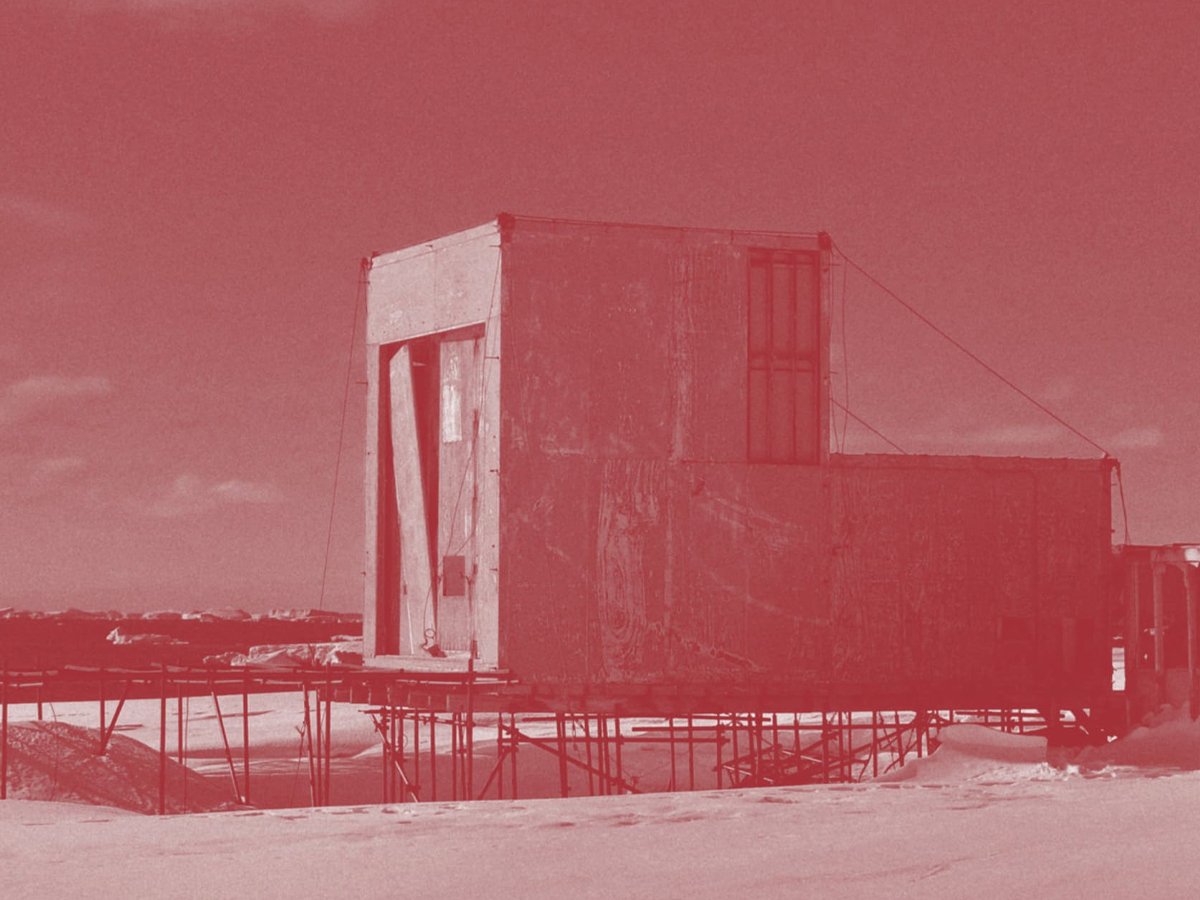
At the centre of the exhibition is Air Pressure, a live performance that Samartzis has created alongside Berlin-based artist and experimental music composer Michael Vorfeld. Developed through dialogue between Antarctic field recordings and experimental performance practice, the work transforms environmental recordings into a dynamic, spatial experience. Through sound—wind interacting with station structures, interior pressure shifts, distant ice movement—the duo captures Antarctica at its most raw and fragile.
“In performance, Michael introduces live percussion, metal and amplified objects that respond to and destabilise the recordings, creating a shifting dialogue between the recorded environment and the present moment,“ Professor Samartzis says. “The result is a space where atmosphere feels tactile; less a backdrop and more a force pressing in on both performers and listeners.“
Creativity Under Pressure
The exploration of immersion that takes place across Creative Antarctica is undeniable. Through Professor Samartzis’s work, and the work of the 35 other featured artists, you see the elements come to life in new and expansive ways, forcing you to confront how small and entangled we really are.
There are lessons buried in the ice, sure. In many ways, you could argue the frozen continent is the most extreme classroom on Earth, but Samartzis isn’t interested in lecturing anyone. The Professor of Sound Art at RMIT doesn’t want exhibition attendees to ‘learn’ anything in a didactic sense. He simply wants them to pay attention.
“I hope they slow down. I hope they feel atmosphere as something alive and active,“ he tells me. “If they leave with a heightened awareness of how environments press against us, physically and politically, that’s enough.“
Creative Antarctica: Australian Artists and Writers in the Far South is being held at RMIT Gallery and Design Hub Gallery from 20 February until 2 May 2026, with special events and exhibitions popping up across Melbourne during that period. For more information, visit the RMIT Gallery and Design Hub Gallery website.