





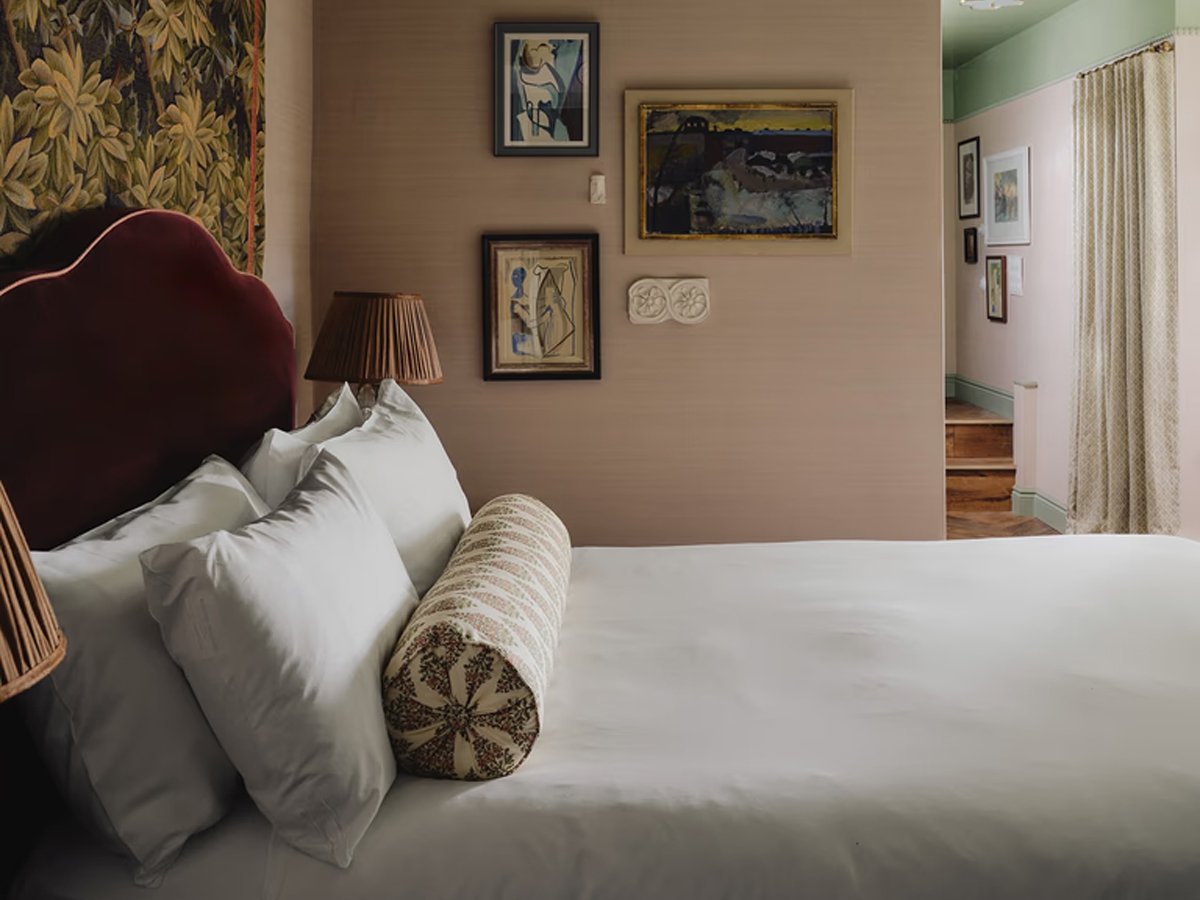

Beneath the unsuspecting Oxford pavement lies a boutique stay with a dirty past. Interior architect Rachael Gowdridge shares how she transformed a former public toilet into The Netty, a stunning hotel dripping with craftsmanship, colour and wit.
If you told the traditionally prim and proper pundits of Oxford that their next romantic weekend away would take place in a former public toilet, you might expect a few raised eyebrows. But The Netty, the historic shire’s latest boutique hotel, is the kind of place that flips scepticism into surprise. And no one delights more in that reaction than the designer responsible for the dazzling upgrade, interior architect Rachael Gowdridge.
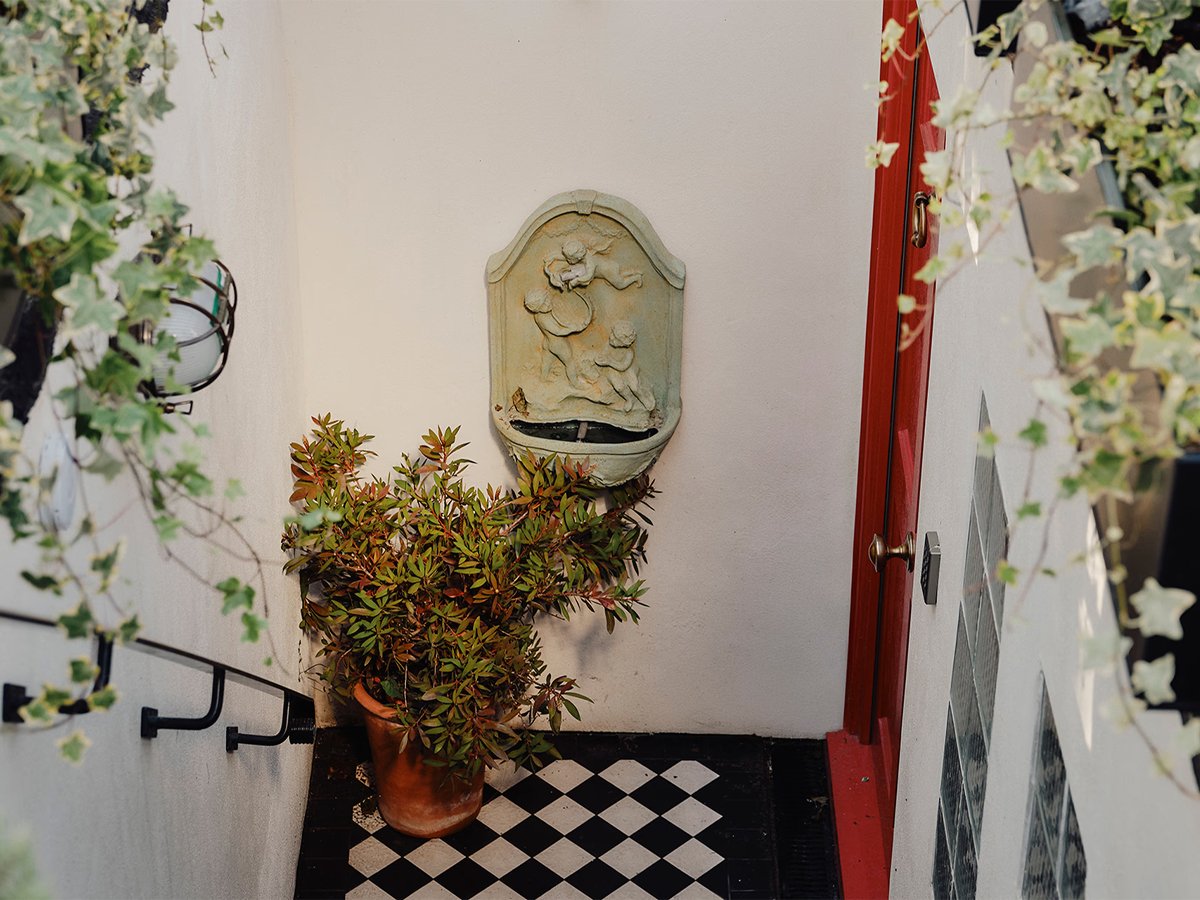
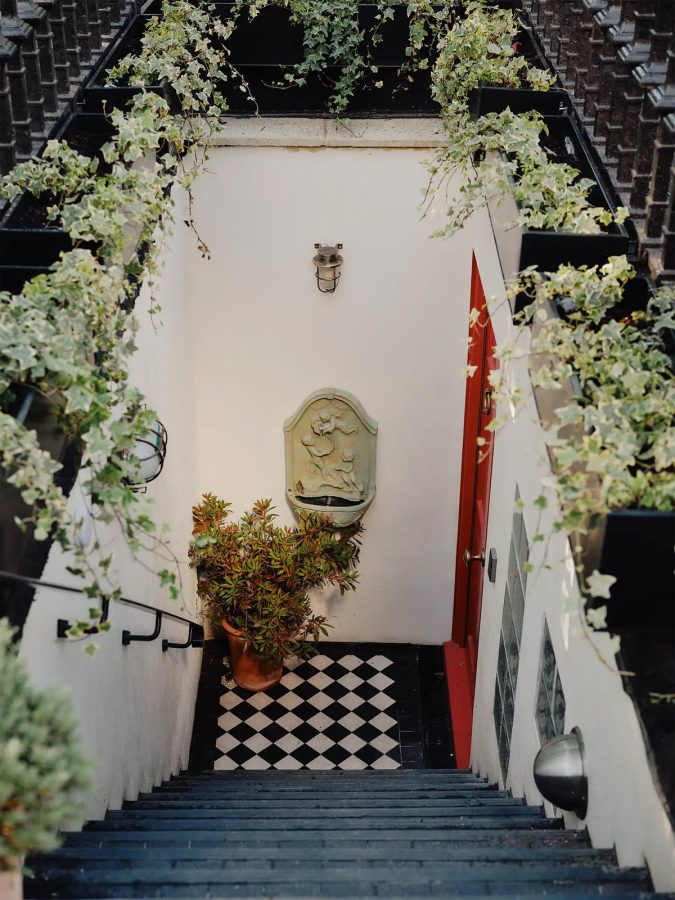
“My first reaction was actually fascination. The entrance has this cinematic quality – descending below street level into a tucked-away pocket of Oxford – and I immediately thought: there’s atmosphere here,“ Gowdridge tells me. “The challenge was turning that atmosphere into something people would genuinely want to sleep in, but the bones were full of potential. The existing pavement lightwells also created a kind of accidental theatre that I knew we could work with.“
The Netty Hotel
Theatre is certainly one way to put it. Buried beneath street level on St. Giles Road, the Victorian-era property is tastefully hidden away from the unsuspecting public above. Originally built in 1895, the property served as public lavatory for over a century until it was decommissioned in 2008, after which it spent years collecting dust.
In 2025, under the watchful eye of Gowdridge and manager Ana Pinheiro, The Netty (which is old Geordie slang for ‘outhouse’), was painstakingly revitalised, reimagined as a stunning two-suite boutique property.
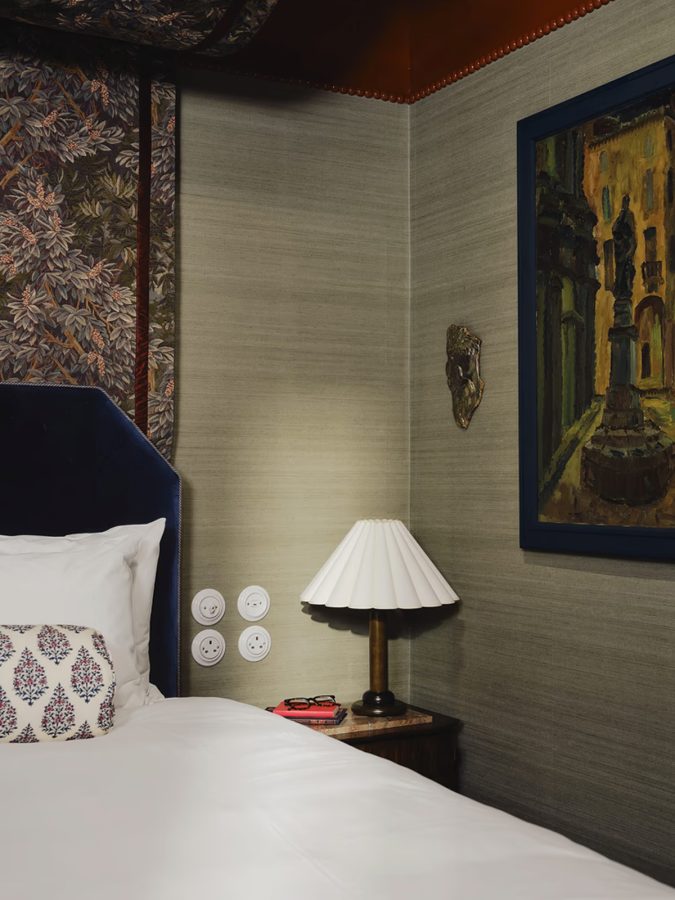
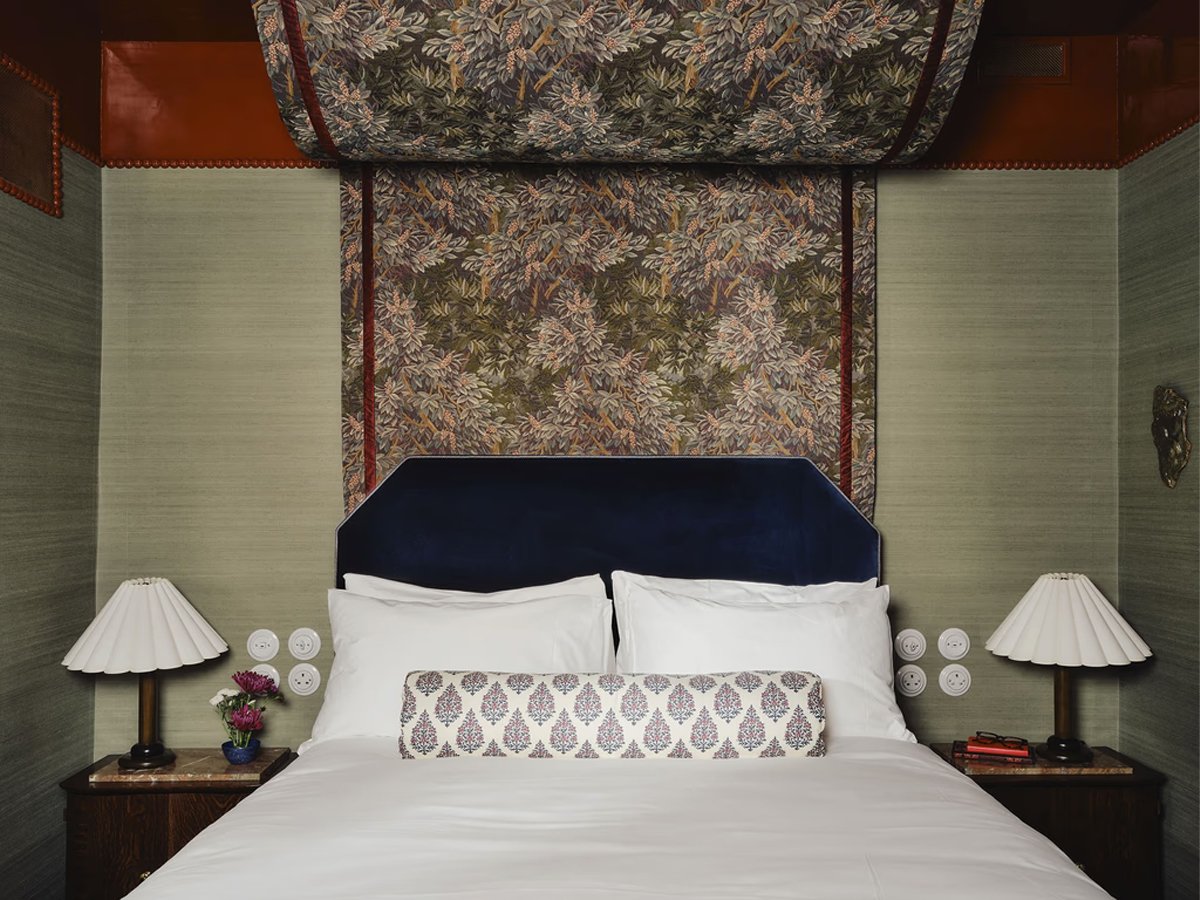
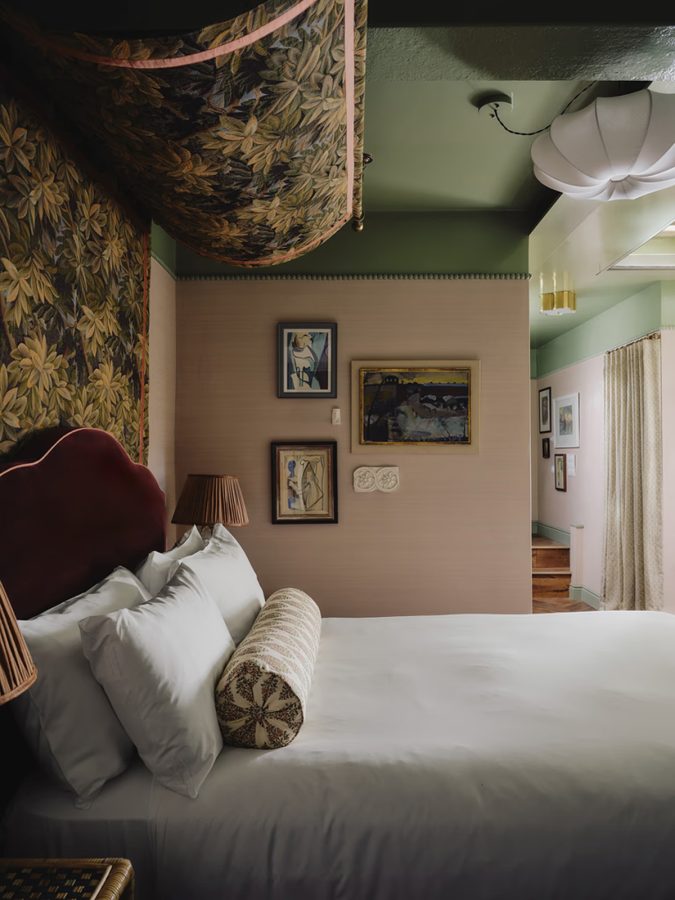
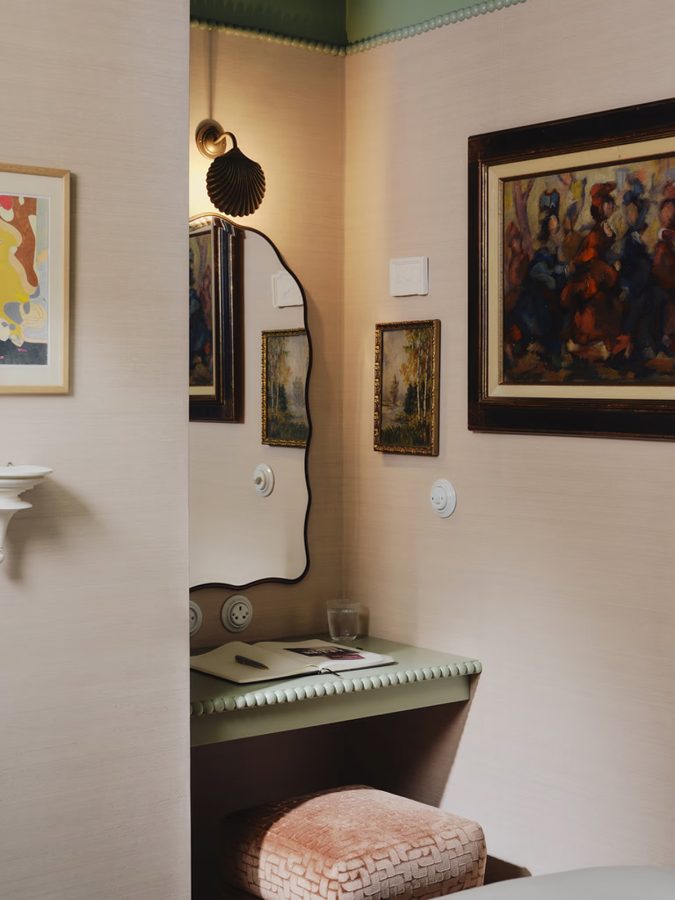
“I was excited from the start,“ Gowdridge explains. “Luxury, for me, is about depth, narrative and craft – not scale. And a compact, unusual space can hold an extraordinary amount of character when every detail is intentional. We leaned into drama: glossy ceilings, rich textures, layered lighting. You can absolutely create indulgence underground if you use light and materiality wisely.“

Avoiding the ‘Oxford Cliché’
For Gowdridge, whose portfolio spans Four Seasons suites, Hoxton Hotels and private residences, The Netty represents something entirely unique. Her spaces are always personal and polished, but transforming a heritage property with such a captivating backstory required a different sort of creativity. As the interior architect explains, walking the line between heritage homage and theatrical reinvention was no mean feat.
“We wanted to avoid anything too literal, so instead of recreating “Oxford clichés,” we worked with subtle, layered references,“ Gowdridge explains.
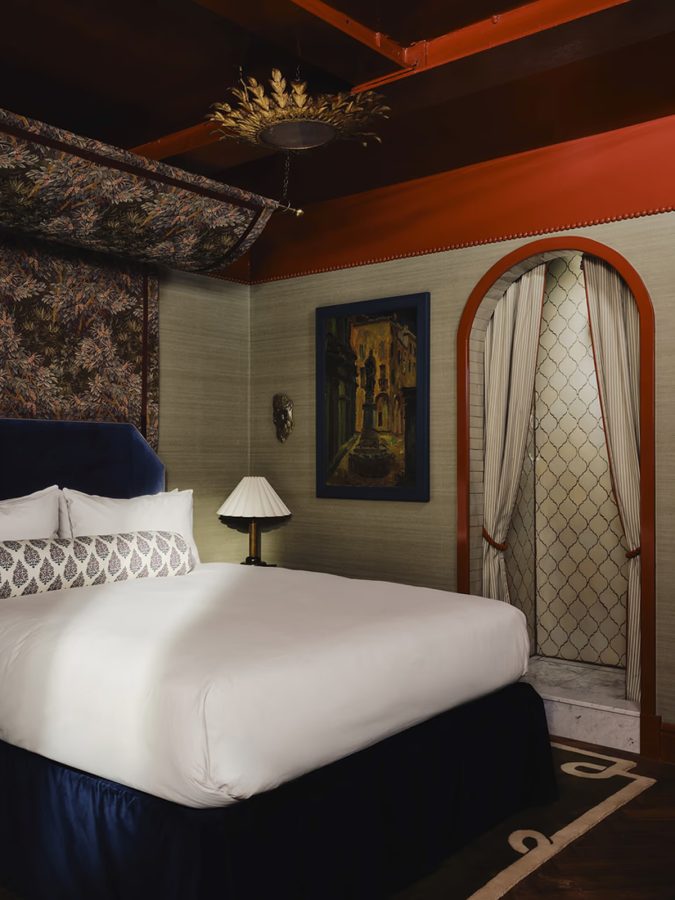
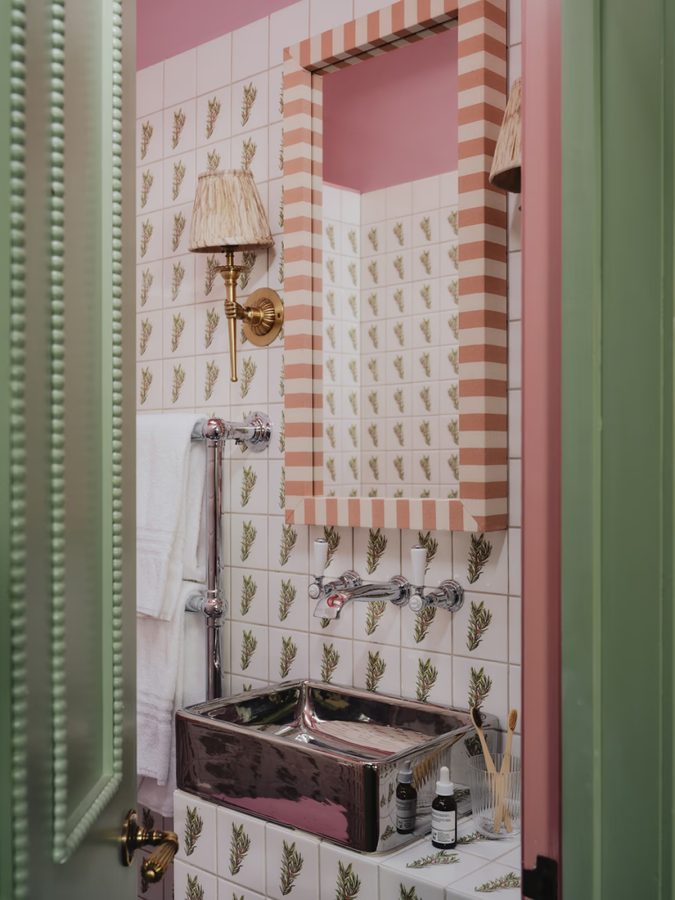
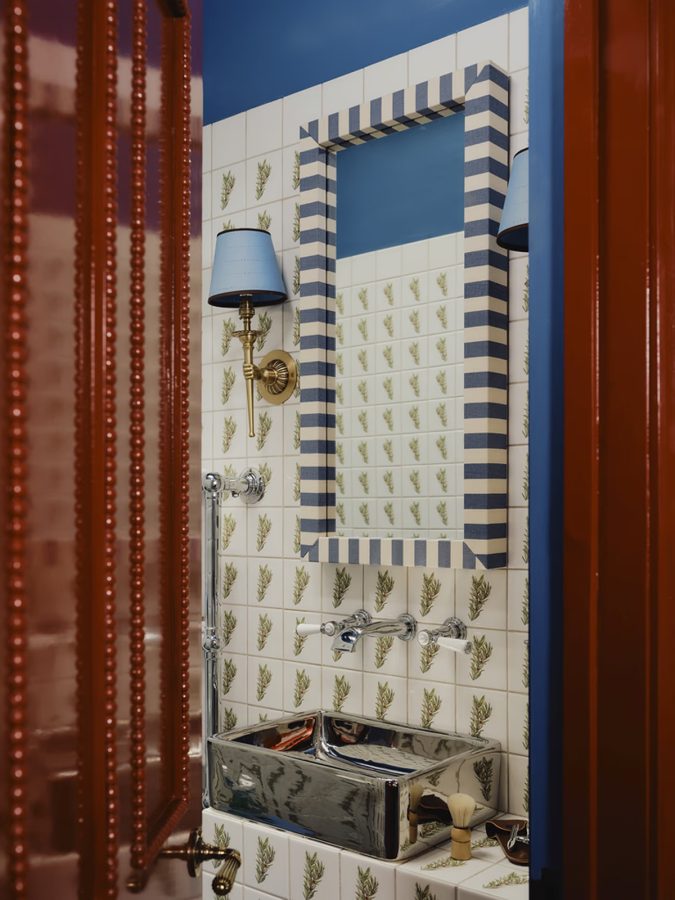
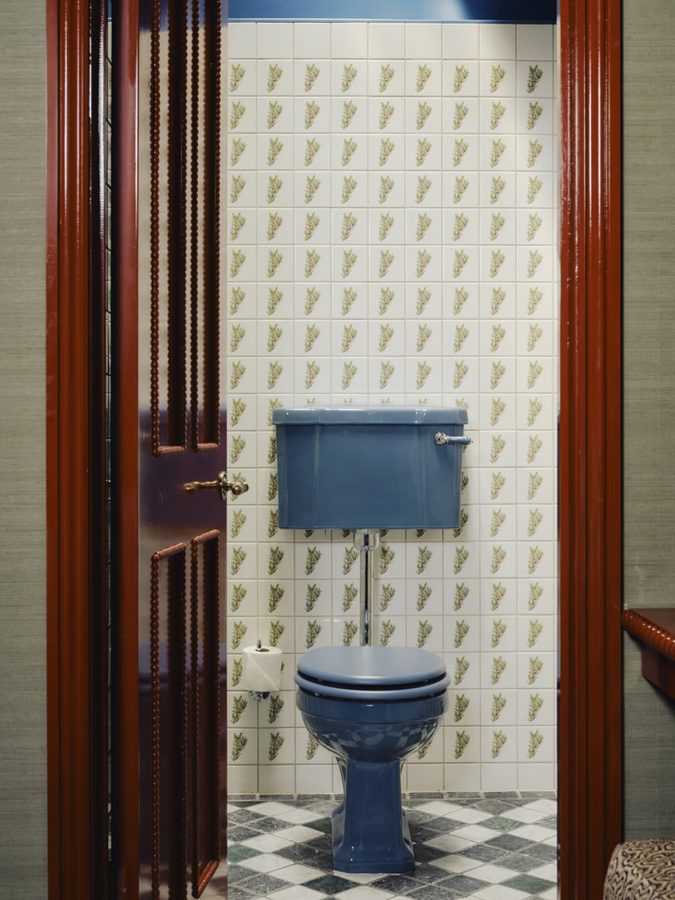
The bespoke bathroom tiles, for instance, are based on a 19th-century lithograph of the ancient Yew trees in the neighbouring Oxford Botanical Gardens. Similarly, the custom tapestries behind the headboards nod to the Ashmolean’s decorative arts collection and the vintage furniture and found artworks bring in a sense of accumulated history to each suite.
“These touches root the suites in Oxford’s cultural fabric without ever feeling themed,“ Gowdridge says.
Reveal and Conceal
With no original features left except the pavement lightwell tiles, Gowdridge went about inventing a new narrative of ‘reveal and conceal’ for the hotel.
“Those tiles were the anchor – small windows to the street above, reminding you that you’re in an unusual slice of the city,“ she reveals. “That sparked a narrative of reveal and conceal, of finding beauty in a place people normally walk straight past. From there, we built a layered story using art, texture and a slightly irreverent sense of play. The brand identity itself draws on plumbing seals and letterpress type – tiny winks to the building’s past life.“
Of course, those aren’t the only playful nods to The Netty’s illustrious past, but Gowdridge reiterates that all references are tasteful in nature.
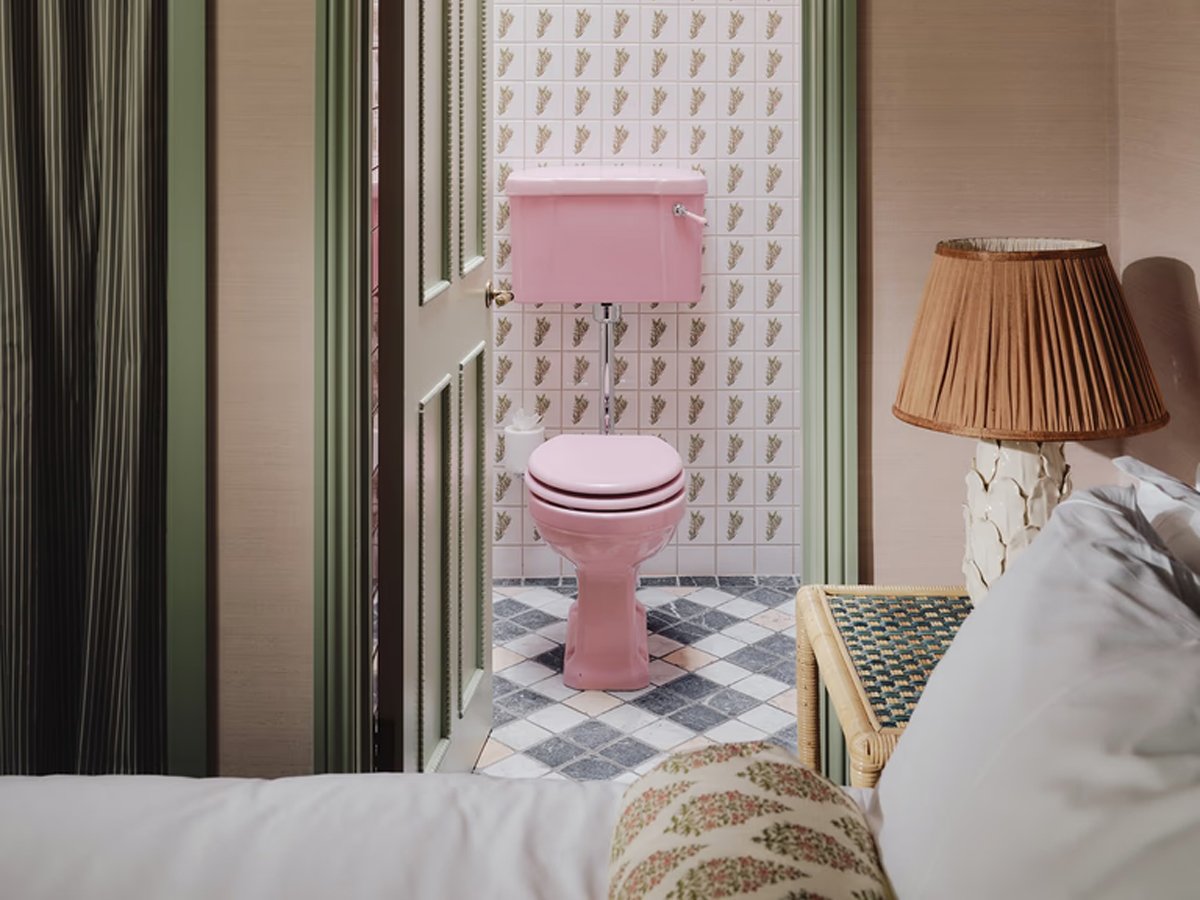
“They’re done with a sense of humour rather than pastiche,“ she says. “The most visible are the high-cistern toilets in vivid blue and pink, a contemporary and highly stylised reinterpretation of Victorian washroom design. They’re bold, cheeky, and surprisingly glamorous. The brand collateral also hides subtle references to plumbing and old signage, so guests who love details will enjoy the layers.“
Challenges
With each suite measuring just 22 square metres, Gowdridge’s task of transforming The Netty into a functional space was not easy. Light and proportion proved to be the most fervent adversaries, with the subterranean structure devoid of any natural light.
As a result, every surface had to work harder; the reflective finishes, tactility and tonal contrast each played a pivotal role in telling The Netty’s remarkable story. Even the acoustics were unexpected; with Gowdridge noting that the space had a ‘quiet, cocooned quality‘ that actually became part of the charm.
With maximising the space paramount, the designer opted for an open-plan shower that extends directly from the bedroom, enabling a sense of flow that felt less restrictive. It’s a choice that won’t be for everyone, but then again, neither will staying in a retired Victorian-era toilet. As Gowdridge explains, the constraints pushed her and the team into bolder design moves.
“Small spaces demand intention, and that’s incredibly freeing.“
“Every detail had to earn its place, which meant we could be bold – the lacquered ceilings, the built-in niches, the shower-as-architecture,“ she says. “The constraints became a framework to push personality and craft further than you often can in larger hotels.“
Revivalist Architecture
The Netty is one of a handful of recent hotel openings that plays off a quirky sense of revivalist charm. Here in Australia, former woolstores, school houses and government buildings are being reborn as boutique stays, with Capella Sydney, housed in the former Department of Education building, recently being named the country’s best.
According to Gowdridge, properties like The Netty prove that no structure is too strange, too small or too subterranean to become a destination in its own right. It is, quite curiously, a unique selling-point.
“Travellers today want a story; something rooted in place, with humour and authenticity,“ she says. “A revivalist building already comes with a built-in narrative, and when you add contemporary craft and thoughtful design, you create spaces that feel both deeply personal and delightfully unexpected. There’s something magical about taking a structure people once avoided and turning it into somewhere they now want to linger. It gives a city a new layer.“
The Netty officially opened to the public in June 2025. The unique boutique hotel in Oxford is housed within a converted Victorian-era public toilet which closed in 2008, and features two guest suites. The Netty is located n the historic St Giles Road in Oxford, beneath the street. For more information or to make a booking, visit The Netty’s website.