


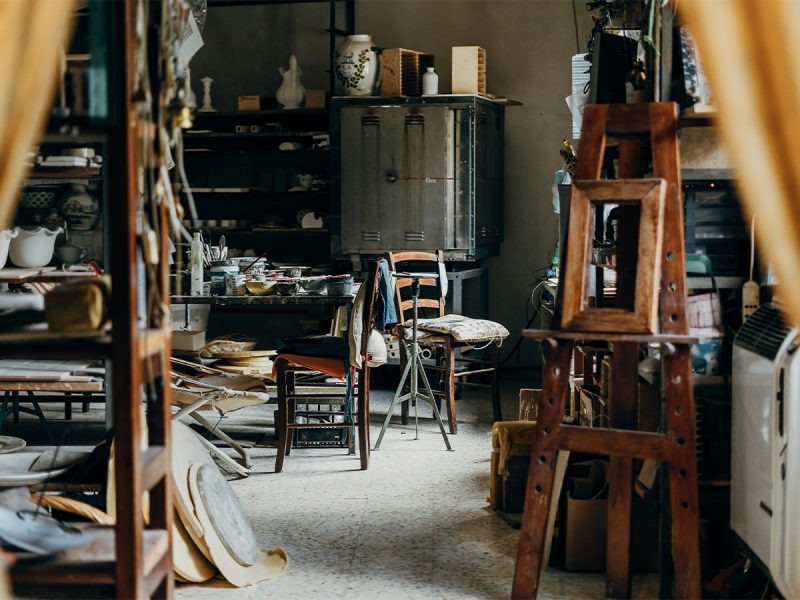

There is beauty in the middle ground. Lately, I’ve found myself returning again and again to the idea of the ‘Third Space’; that in-between realm that exists between work and home. Sociologist Ray Oldenburg coined the term back in 1989, explaining that human beings need these extra spaces to thrive emotionally and spiritually. When you find a third space, somewhere that is welcoming, informal, and accessible, whether it’s a coffee shop, library or gym, you open yourself up to conversation and, by association, belonging.
I believe that, but I also believe there is more to it. In my opinion, the Third Space is really an invitation to find your ‘Third Community’. Not your family and not quite your friends, the Third Community is something else; an in-between circle that exists to fuel your creative spark.
Let me explain.
Great art is almost always born from personal experience. The tortured artist trope has been used time and time again, allowing creatives to contextualise, process and articulate their lives through mediums where words or actions often fail. It works because it is authentic. When you say something real and risk the fear of vulnerability, you give people the opportunity to relate. That’s why art critics and evaluators often use words like ‘raw’ or ‘visceral’ to describe a work that is rooted in authentic emotional or cultural context.
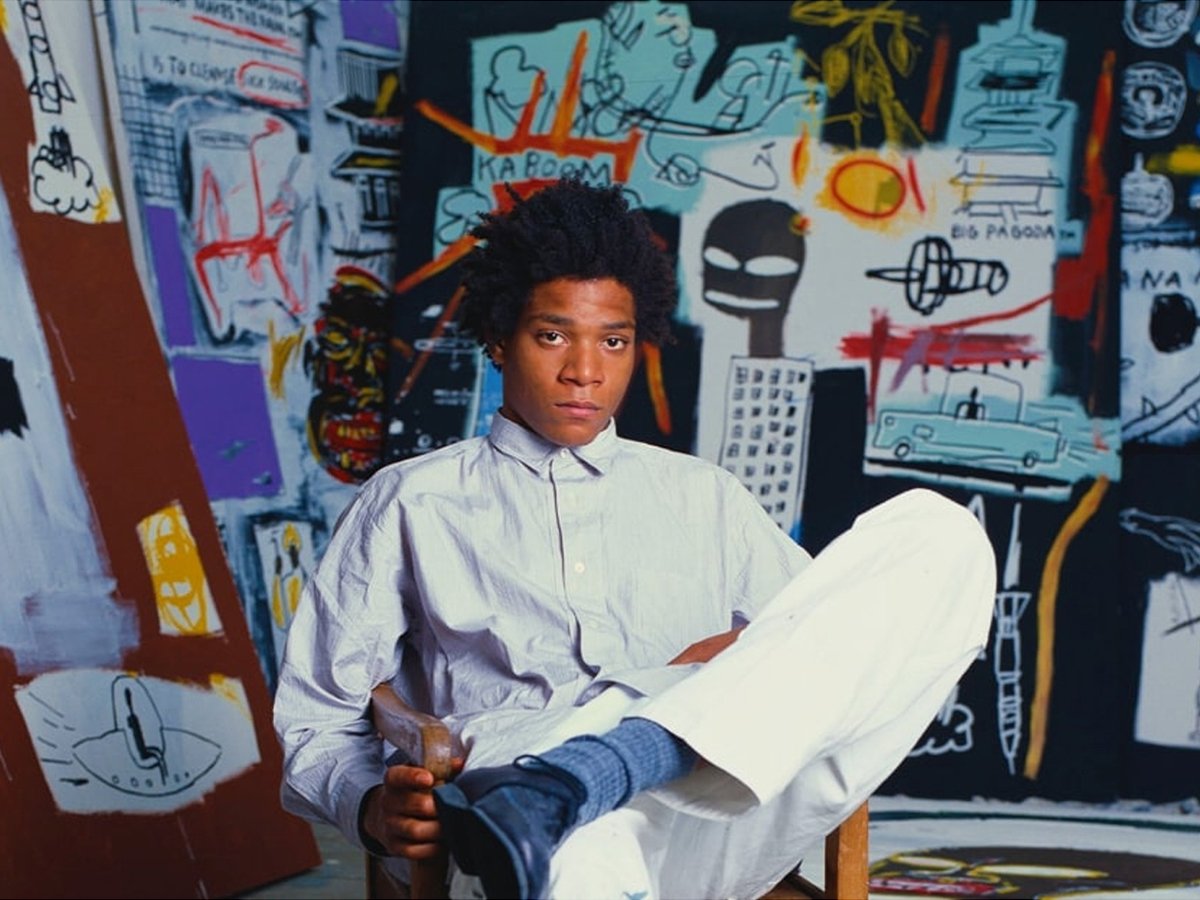
In the 1980s, Jean-Michel Basquiat used graffiti-influenced paintings filled with symbolism to spark social commentary, speaking honestly about his identity and time. Francis Bacon never altered his existential depictions of the human form, despite what critics may have wanted, because he believed them to be true, authentic versions of the human experience. Art is, by its very definition, an exercise in authenticity.
It’s why we often feel so cheated when we fall for an AI dupe. Our emotions are complex things and to have them manipulated by something illogical and inauthentic challenges the very fabric of our being. We connect with an artwork, image, or video because we relate to it. That’s a hard thing to capture.
Take the world of stand-up comedy. Legends like Dave Chappelle, Ricky Gervais and Jerry Seinfeld have all fallen into the trap of being wildly un-relatable. Their comedy isn’t funny to the everyday person anymore because they don’t face the same problems that the everyday person does. They are millionaires and billionaires making jokes for other millionaires and billionaires. It’s not necessarily wrong, it’s just not for us.
In a way, all great artists begin to suffer when they become successful. The trick is to never worry about finding success.
Simple, right?
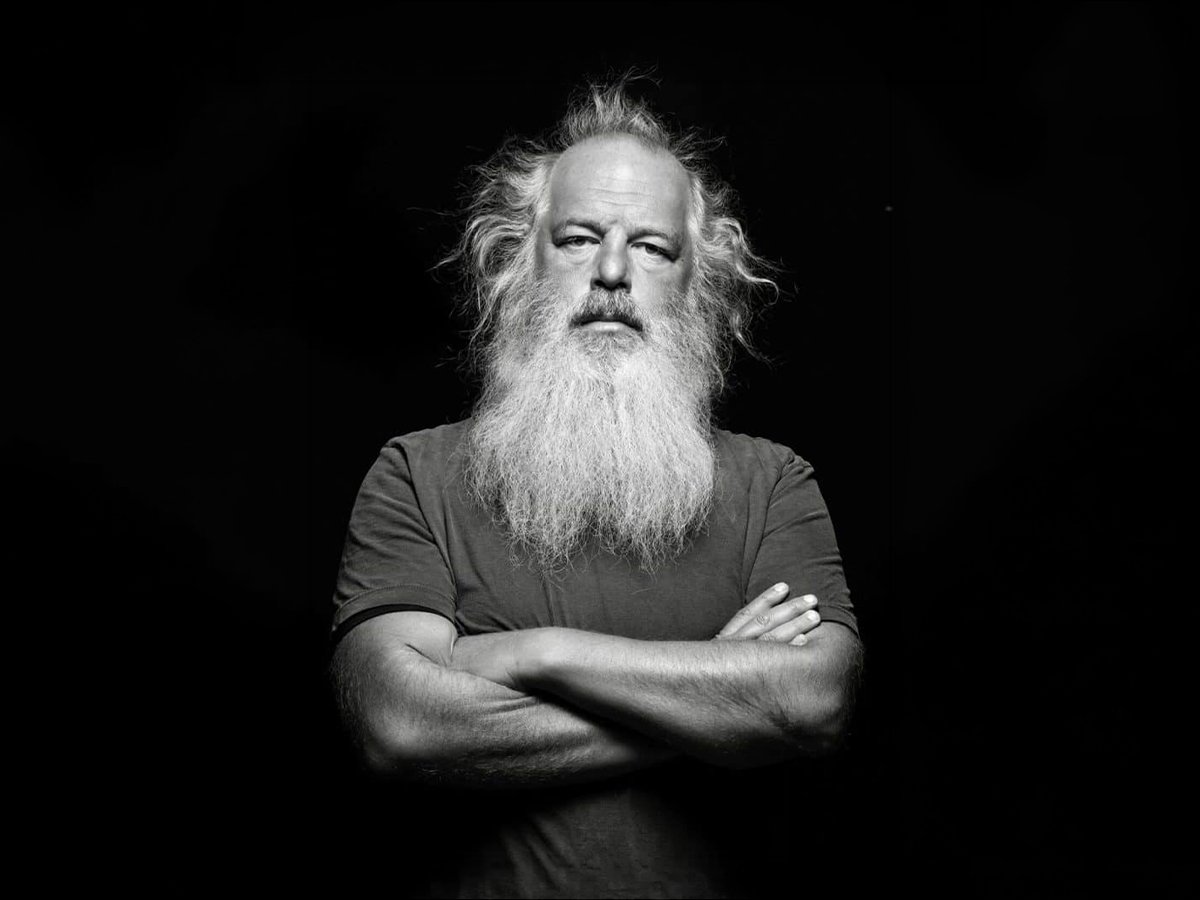
Quite often I speak with artists and creators who explain that their friends and family don’t really understand what they are doing. For the longest time, that confused me, but the more I delve into this concept of the Third Community, the more it makes sense. You don’t make art for the people in your life that you love, you make art for yourself. Legendary music producer Rick Rubin believes that you should never make things for an audience, you should be the audience.
With art, it’s not always about relating to the everyday person, but to those who share common problems. That is what spurs inspiration. The act of vulnerability offers a chance for relatability. More often than not, people who like your work will like it for one of two reasons; they see themselves in it, or they see a version that they’d like to be.
You don’t get to choose your family. You do get to choose your friends, but if you are really, truly authentic and vulnerable in your work, your Third Community will choose you.
This article is featured in The Foreword, a series of thoughtful reflections from founder Nicholas Hall on the meaning, philosophy, and future of making. These essays explore cultural, material and intellectual contexts, providing deeper insights into the creative process and philosophy behind MADE Journal.


