


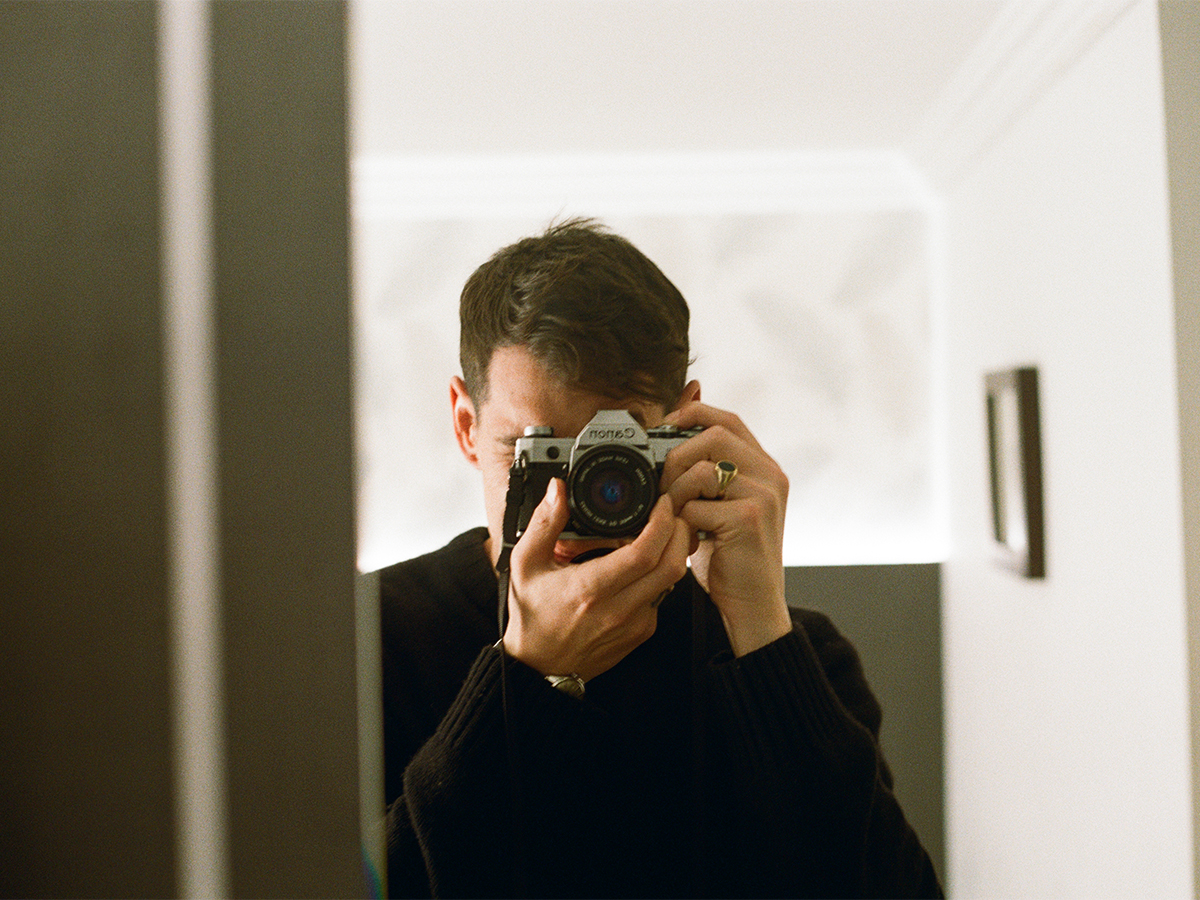

Shooting film showed me the value of slowing down and staying present.
I’ve always struggled to stay present. Even in moments that should feel unforgettable, my mind has a nasty habit of running ahead. It’s like I’m always trying to prepare for the worst, analysing the next step before I’ve even taken my first.
As a digital journalist and editor, it can be difficult to escape that mindset. My career is built around deadlines and deliverables, driven by a pressure to always be producing. It’s a relentless compulsion. When you are so concerned with planning the next story, you often lose sight of the one unfolding right in front of you. Telling human stories requires presence, and for years I felt like I was losing my grip on it.
But three years ago, my world changed. And it all started with a leap of faith.
The Leap of Faith
In 2022, I picked up an old Canon AE-1 on a whim. A late-night eBay purchase spurred by a false sense of confidence and the desire to do something creative, the camera was a sort of last-ditch effort to salvage the remnants of an antiquated dream. I had tried and failed at digital photography so many times, never quite understanding how to put all the elements together. Foolishly, I thought that going back to basics might actually help.
And you know what? It did.
The moment I loaded that first roll of Kodak T-Max 100, felt the tactile crunch of the ageing mechanism and cranked the weathered film lever, something shifted. It might have been the heft of clunky old technology, but there was a weight to the exercise that hadn’t been there before. In a sense, it felt real. Each satisfying snap of the shutter reminded me of just how fleeting each passing moment can be. To me, that was freeing.
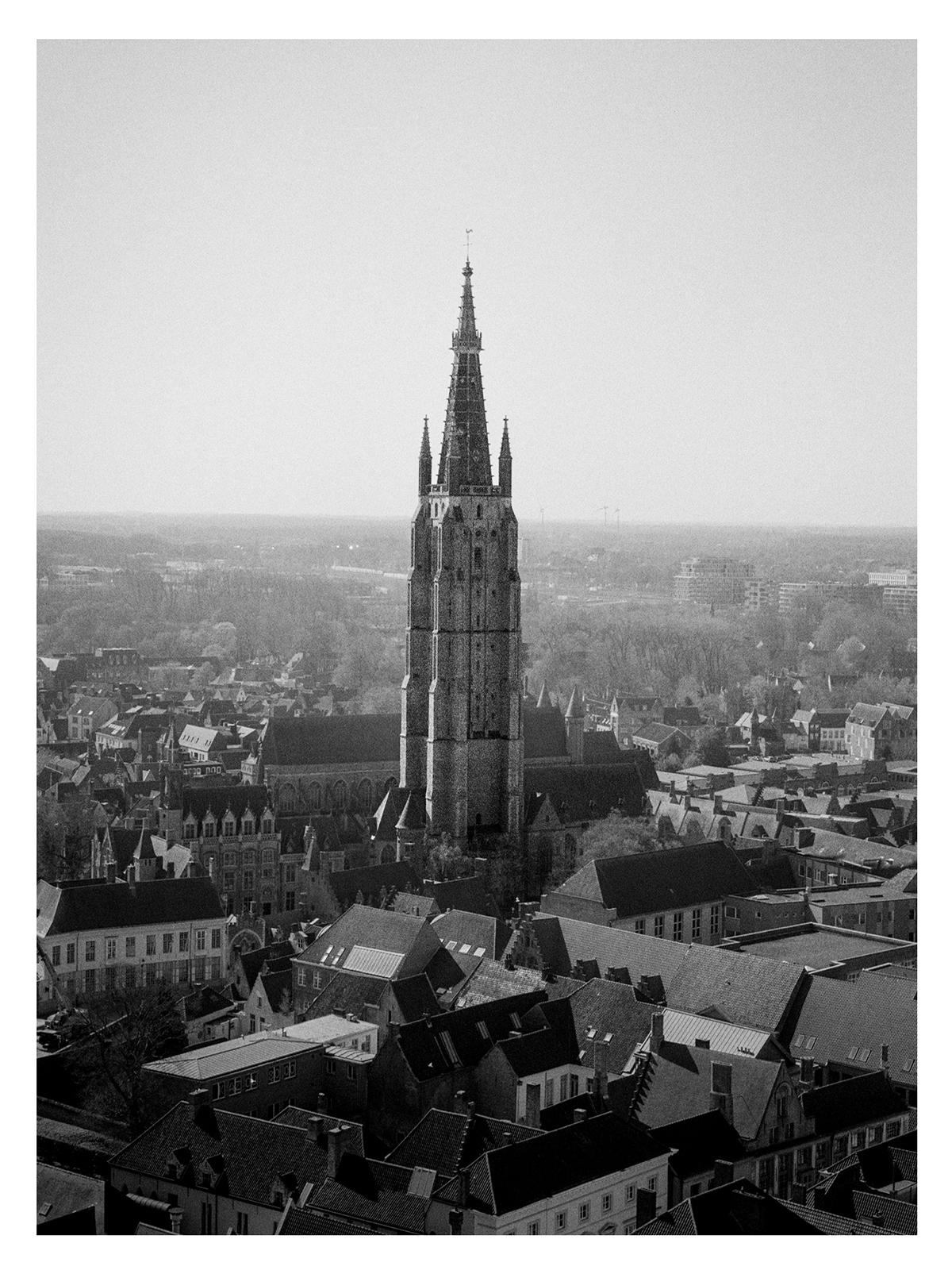
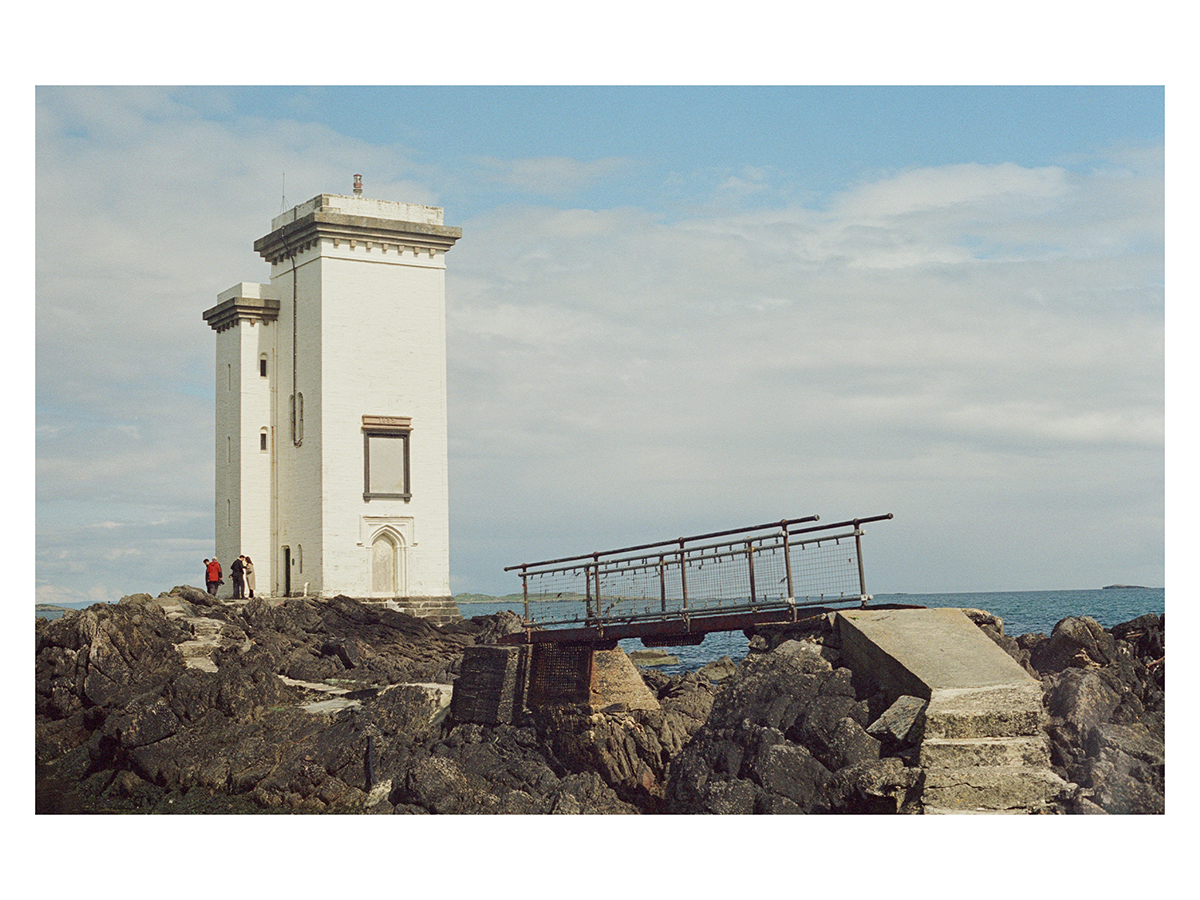
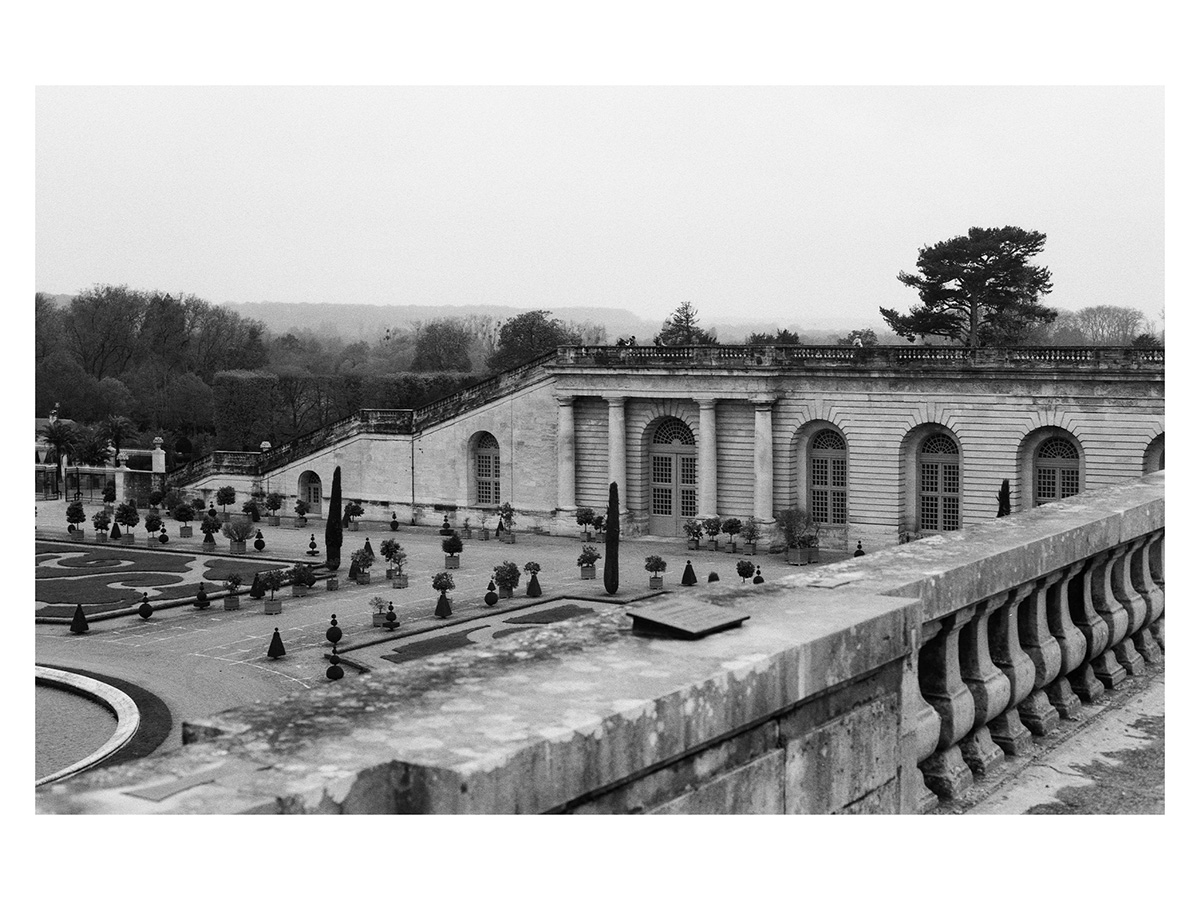
Of course, that first roll was absolute trash. When I got the scans back one week later, I realised what an art form film photography can really be. Frames were out of focus, exposure all wrong, and yet, despite their imperfections, I loved them. The blurry shots and failed compositions reminded me that life isn’t meant to be polished and flawless. It’s meant to be lived.
The Beauty of Failure
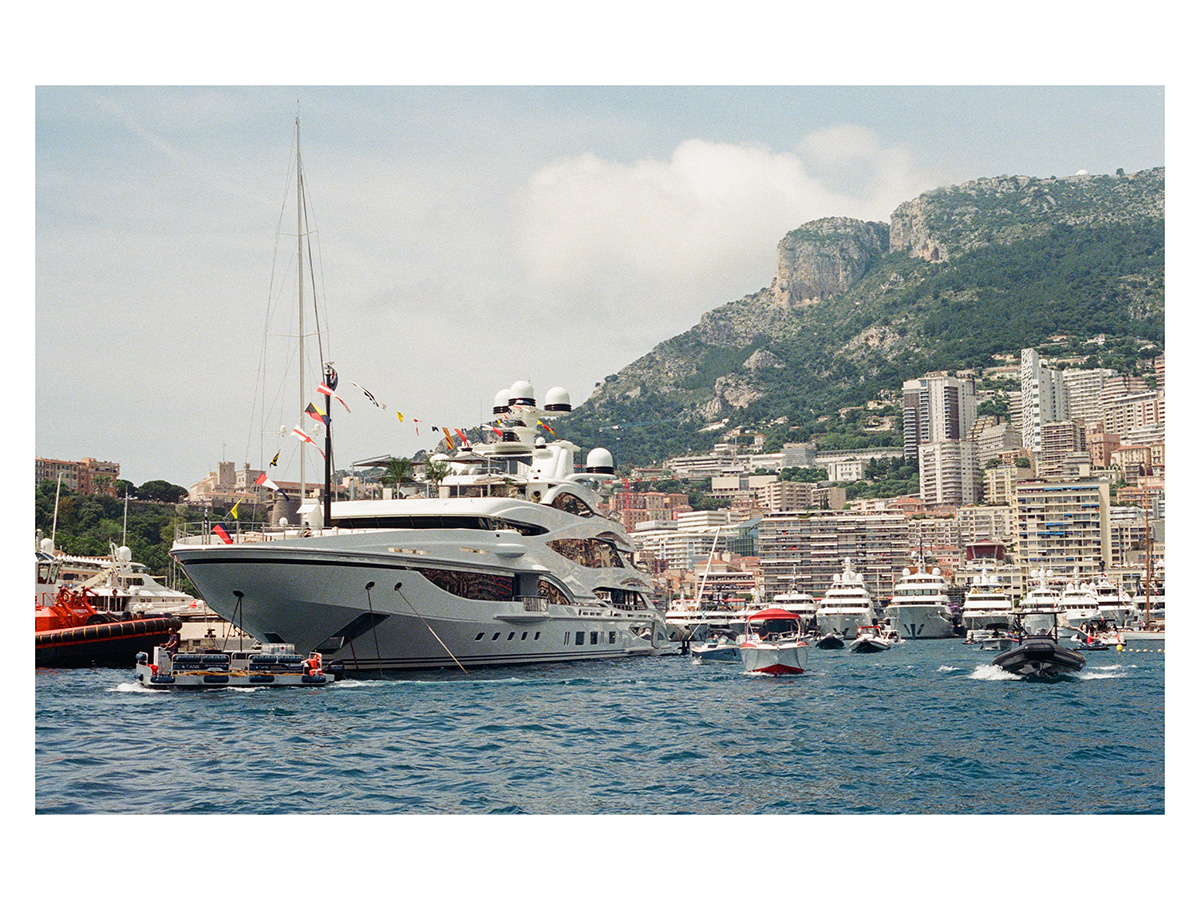
With film, there are no second chances. When you only have 36 frames, it forces you to pay attention. You have to be intentional. You have to feel. But perhaps most importantly, you have to surrender to the idea that it might not be good. What I’ve come to learn over my years shooting film is that there is a very real possibility that every frame in your roll might be terrible. And that’s OK. In fact, that’s great.
Something beautiful happens when you abandon the impossible pursuit of perfection. When you rid yourself of the pressure to perform, you start to view the world through a different lens. Little imperfections become monumental points of difference; a harking cry that echoes through a long corridor of sameness. You hear it in the crackle of an old vinyl record or in the tactile feel of an antique book, its pages worn and thin. Fragile though they may be, these bygone relics can teach us a lot about how we care for, observe and ultimately document the past.
The Art of Noticing
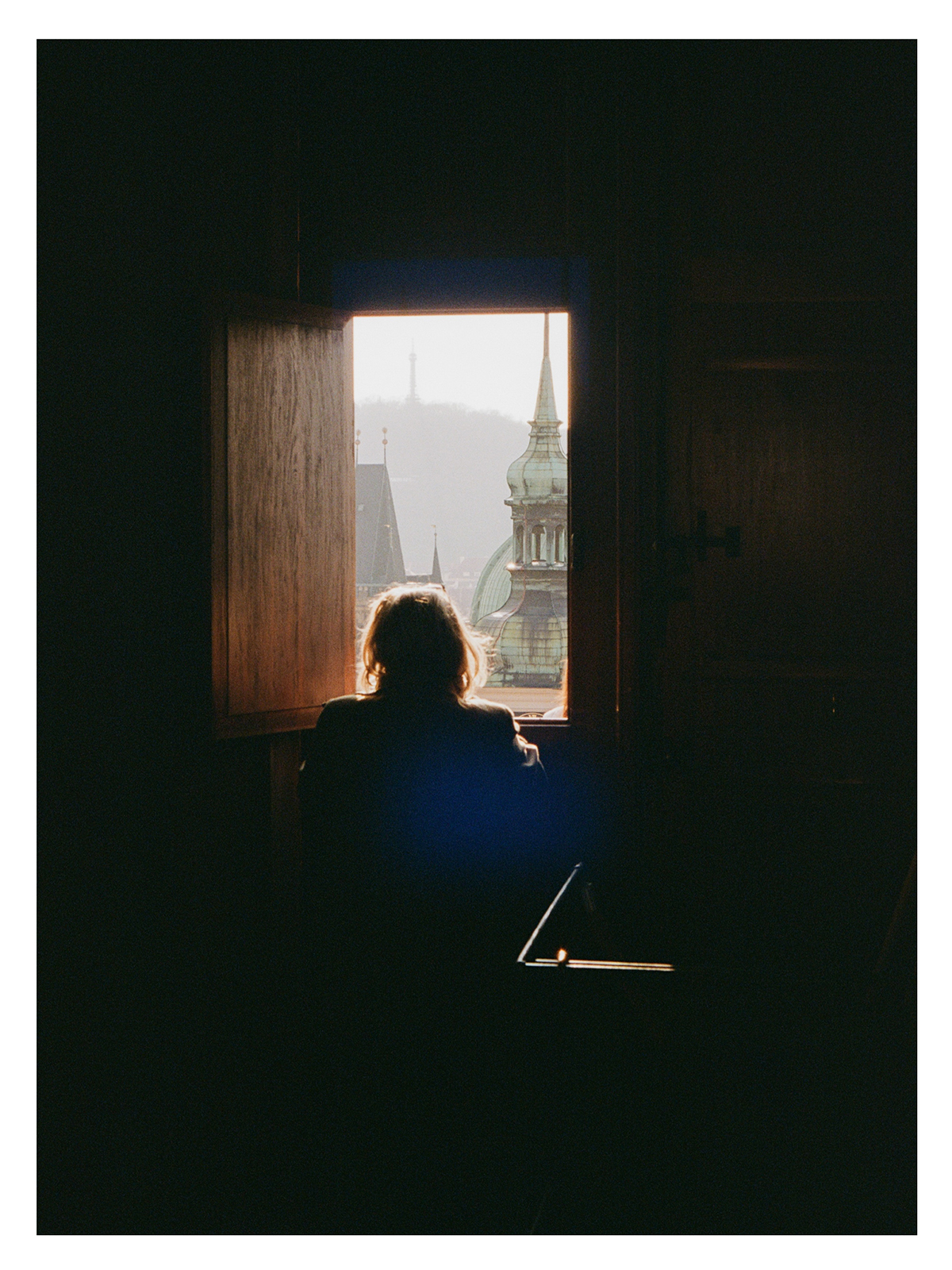
One of my greatest fears is losing my memory; to have lived an extraordinary life and not remember any of it. Film has given me the means to break free from that worry. Where I used to capture images in much the same way everybody does, snapping relentlessly on my phone and never putting any thought into where those shots would go, I now feel a certain freedom to shoot with intention.
When you travel with a film camera, you see differently. You stop rehearsing the future and start noticing the present; the way light moves across a face, the checkerboard design of a restaurant tablecloth, a subtle smile between train carriage counterparts. The little details become the bigger picture, and slowly you start to realise what a privilege it is to witness life in motion. Press the shutter. Let it go.
Better yet, you get to relive the whole process over again when you finally get your scans back from the lab. It’s almost like reliving the best parts of your trip, imperfections and all.
Time and Place
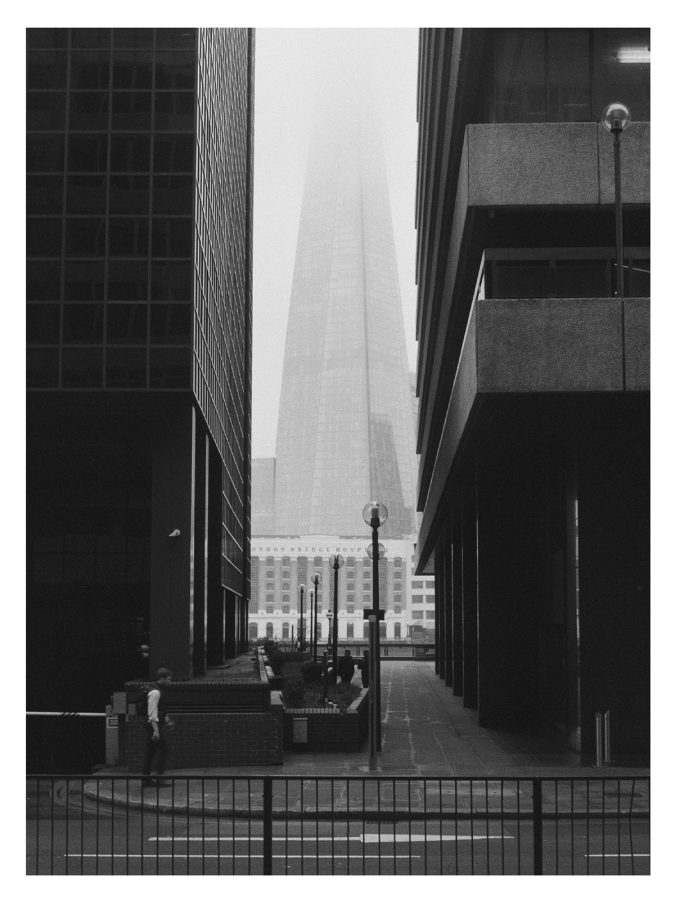
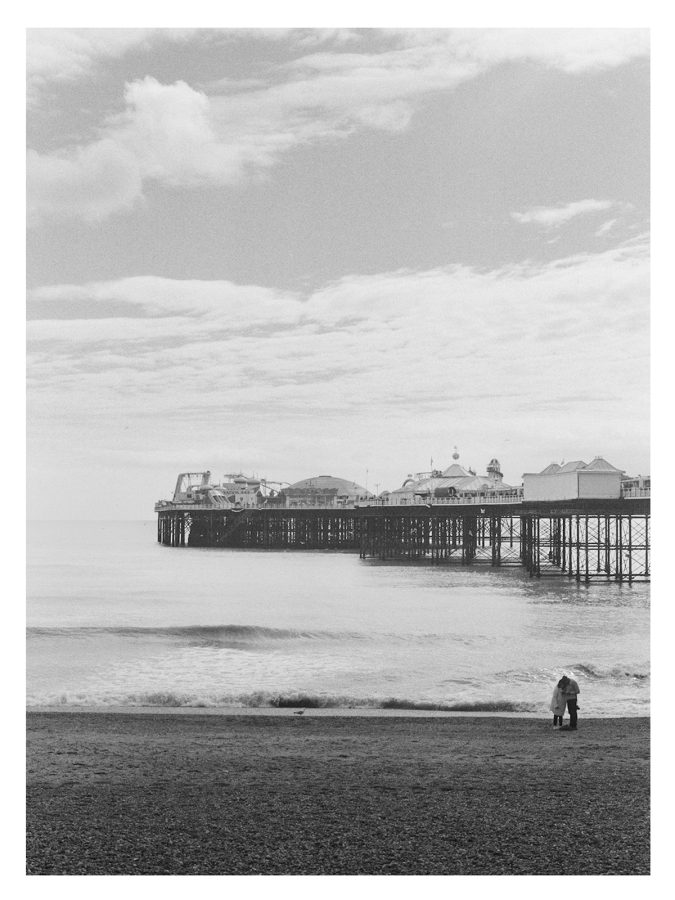
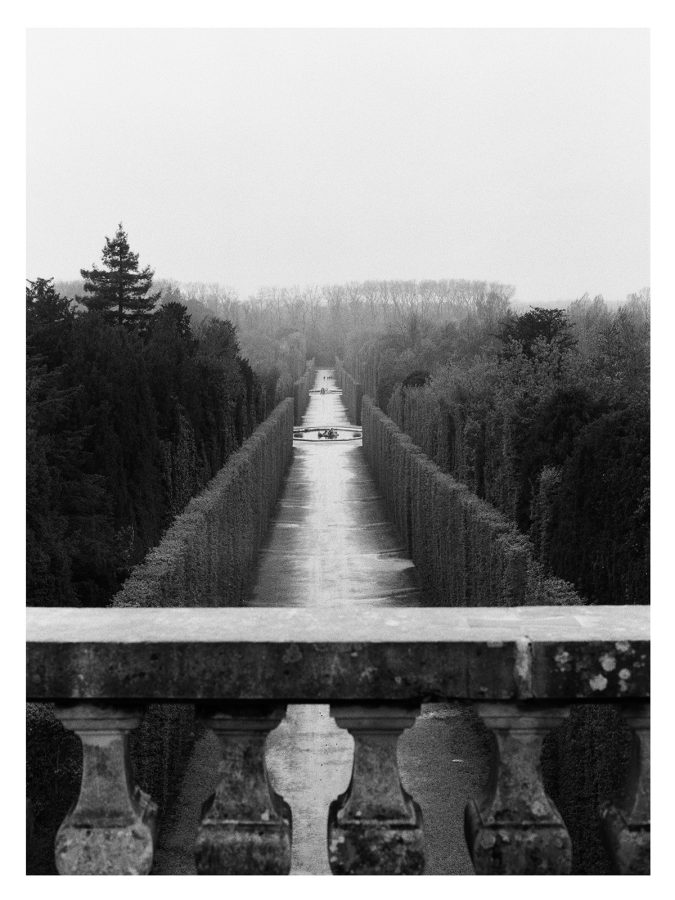
Shooting film has given me the sense of time and place that I, for so long, craved intimately. With film, you don’t have the option for perfection. It’s an exercise in vulnerability, in staying present and learning to take life as it comes to you.
And that’s what film gives me: a slower, more intentional way of seeing the world that feels more human.
My work has afforded me the remarkable opportunity to travel the world and experience cultures I never thought possible, but film taught me to slow down and be present. With this form of photography, there is no instant gratification, no chance to overthink or course-correct. You simply have to be present and put your trust in the hope that maybe, when the scans come back, it will all be worth it.
I guess film photography has a lot more to do with faith than I first thought.
