






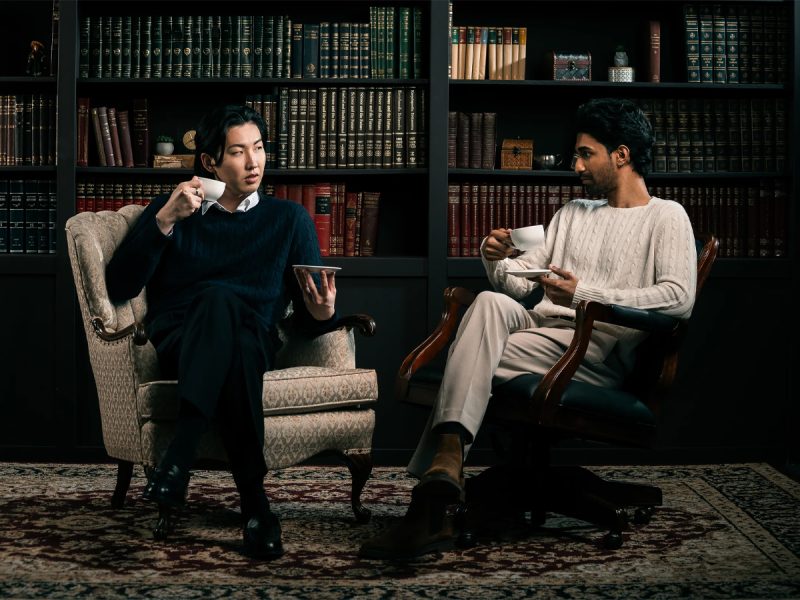

A mall-bought cashmere sweater transported Avneet Singh somewhere unexpected. Years later, that memory has become the foundation of a very different kind of luxury house.
You always remember your first cashmere sweater. For House of Aviar founder and creative director Avneet Singh, it was a somewhat unremarkable, decidedly ordinary addition that would scarcely belong on a high-end runway. But despite looking “nothing special on the hanger”, the moment he put it on, something inside him stirred. Little did he know that this ‘ordinary mall-brand’ garment would change his life forever.
”I was fascinated by how it felt, started researching the fibre, and realised I had known this material my whole life under a different name: pashmina, the cashmere of the Kashmir region,” he reveals, ”The fibre the world sells as European luxury turned out to be a cloth from home. That stayed with me.”
The recollection is part of a unique story of provenance in fashion, and the very philosophy that now underpins Avneet’s own menswear label, House of Aviar. Founded in Vancouver earlier this year, the young brand is tackling an old myth: that luxury has never belonged exclusively to Europe and that the places, materials and traditions often treated as peripheral are, in actual fact, its foundation.
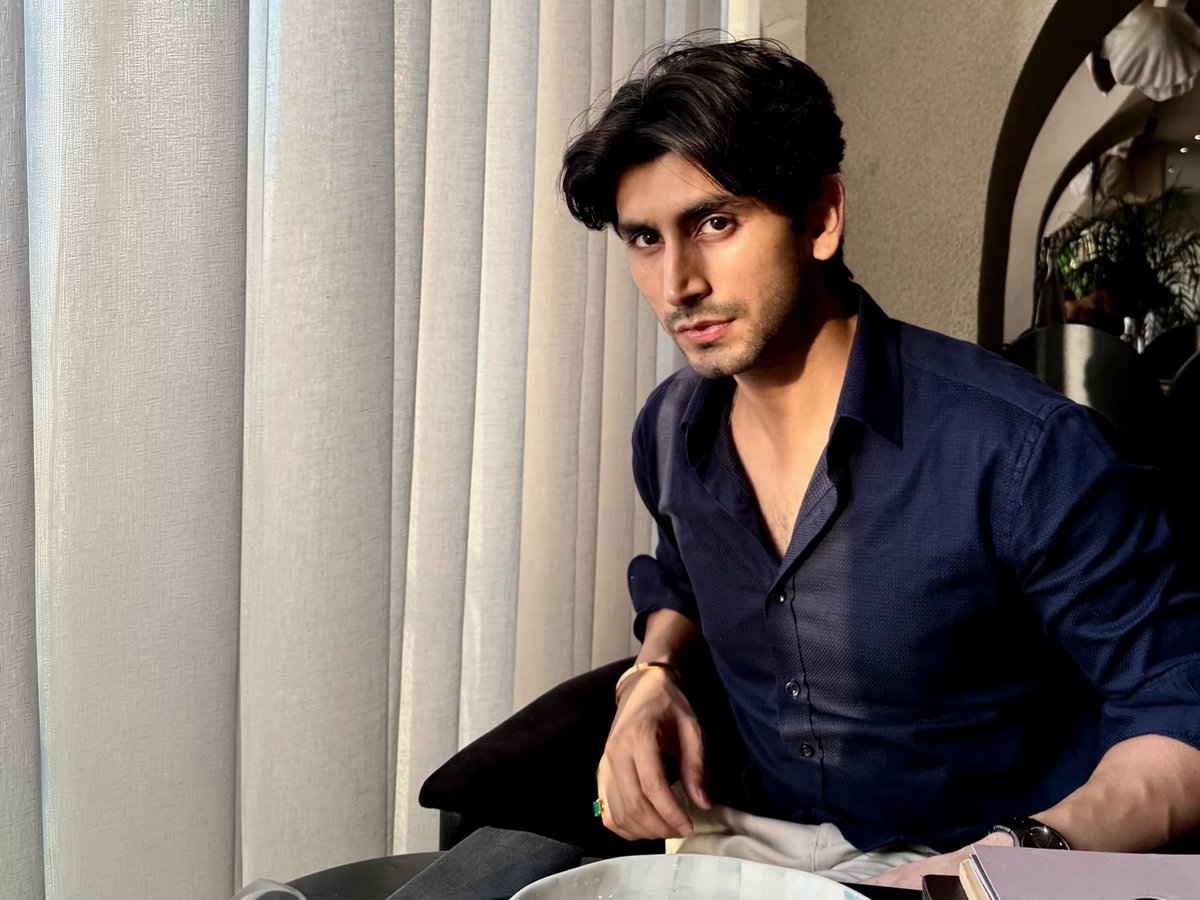
Birth of House of Aviar
Avneet grew up in the vibrant heart of Punjab, where textiles burst with colour and streets dance to their own unique rhythm. It’s a place where religion sits at the cultural forefront and pilgrimage is an everyday occurrence, but for Avneet, his pathway led in a very different direction.
Moving to Canada to study marketing and business, the aspiring entrepreneur started the journey of bringing his vision for a cashmere house to life. By his account, Avneet wanted to build something of his own, an idea that budded in Punjab. Vancouver is where it took shape, where he realised how much he cared about what he wore and what it was made of. That story, he reveals, begins on the high plateaus of Asia, in Mongolia.
”The Mongolian steppe’s goats survive the cold by growing an incredibly fine, dense undercoat of fibre,” he says. ”This harsh environment is precisely what makes cashmere so exceptional. It is quality as an accident of weather, not of marketing. I will not pretend I chose these origins off a map for romance. I went looking for the best fibre I could stand behind, and every road led to the high plateaus of Asia.”
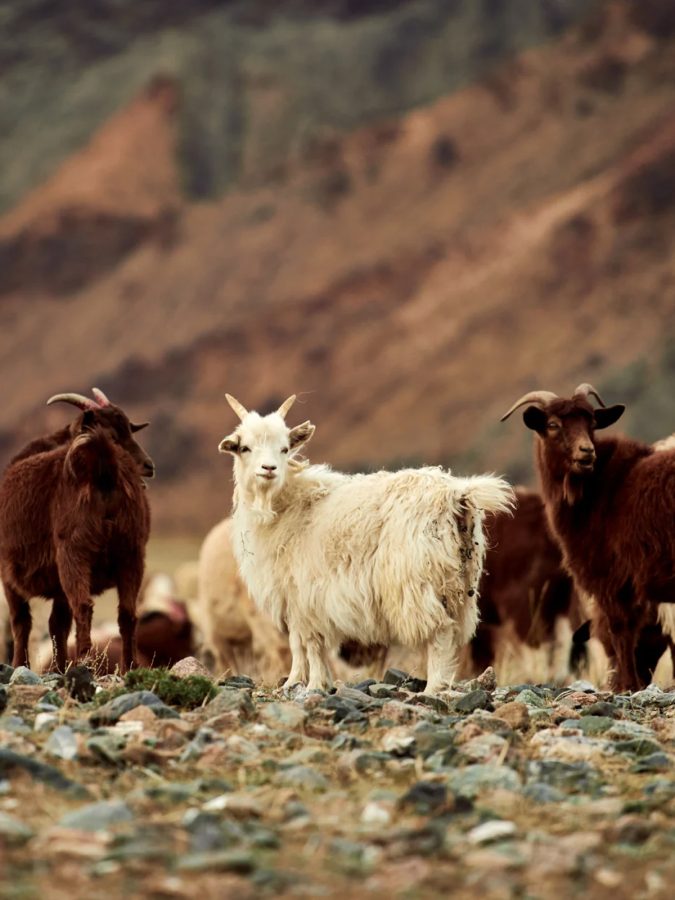
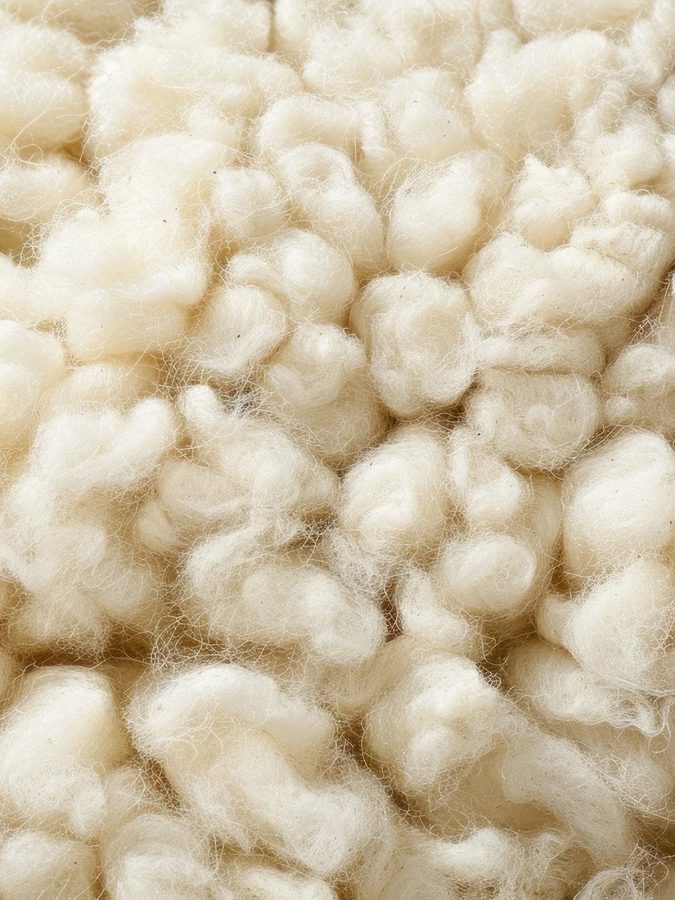
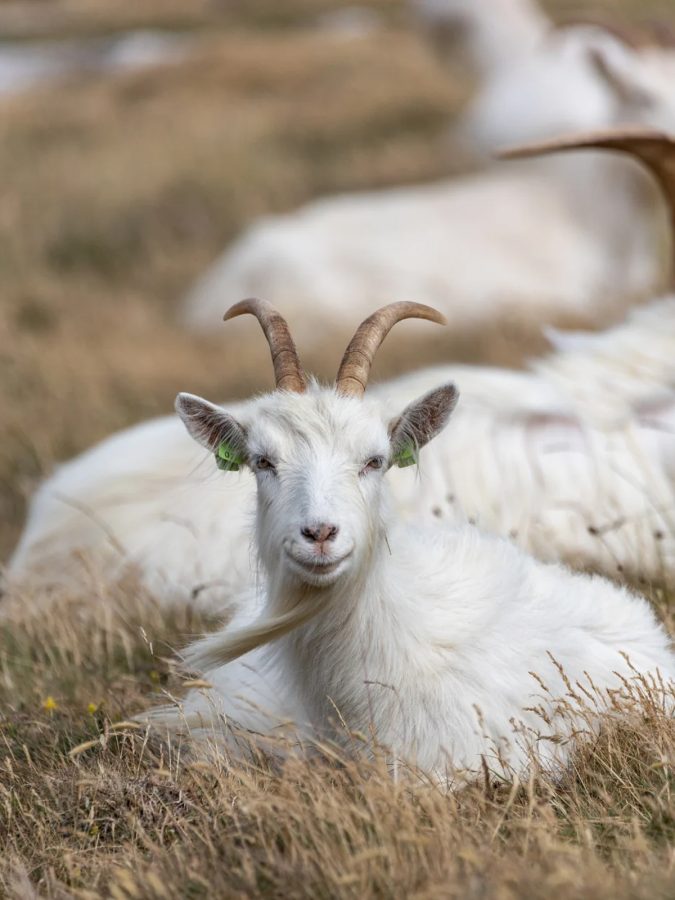
Avneet insists on being exact about where his fibre comes from and what he can substantiate. House of Aviar’s crewneck uses Mongolian cashmere, spun by established mills; the polo yarn is produced by Consinee, whose published standards include OEKO-TEX Standard 100 and ISO certifications, with traceability through the Good Cashmere Standard. Knitting takes place in Kathmandu, drawing on Nepal’s established knitwear tradition and hand-finishing expertise.
According to the founder, working directly with the makers has been challenging, but it has taught him that craftsmanship lives in things he never used to think about.
”The people making the pieces will tell you things no textbook will, because they have the cloth in their hands.”
”Working directly with the makers, most of it across half a day of time difference, has been its own education,” he says. ”How long it takes to get one design right. How a small error in a lining or a shoulder can undo an entire garment, and how getting them right can elevate it. I am new to this world and still learning it, and the makers are the ones teaching me.”

Learning the Craft
House of Aviar may be a story of craftsmanship and cashmere, but it’s also a unique journey of geography. As Avneet himself will admit, the cultural ties run far deeper than just textiles and spinning. As a founder, he is trying to bring a sense of Indian hospitality back to the world of fashion, envisioning a time when craftsmanship takes precedence over labels.
”Craftsmanship was never abstract to me,” he says. ”My grandmother knitted me sweaters with her own hands. I watched Punjabi juttis being made in Amritsar… India has an enormously rich history of cloth, colour, craft and culture, and I want the house to carry that inheritance forward.
”There has always been an assumption that if it is European, it is good. I want to widen that table, not argue with it.”
”India has equal potential in this market, and what is missing is representation, not capability,” Avneet continues. ”A year or so ago I travelled through Rajasthan and was in awe of the detail, the welcome, the food, the music, all of it carried out with a care that has centuries behind it. I tell people that if they want to understand Indian luxury, Rajasthan is where they should go. That standard of attention is what I am trying to bring to House of Aviar.”

An Indian House Built in Vancouver
Somewhat aptly, Avneet describes House of Aviar as “an Indian house built in Vancouver”, a phrase that deliberately resists the assumption that a luxury house must have a European address. The company works directly with makers and sells exclusively to consumers, without wholesale, discounting or influencer seeding.
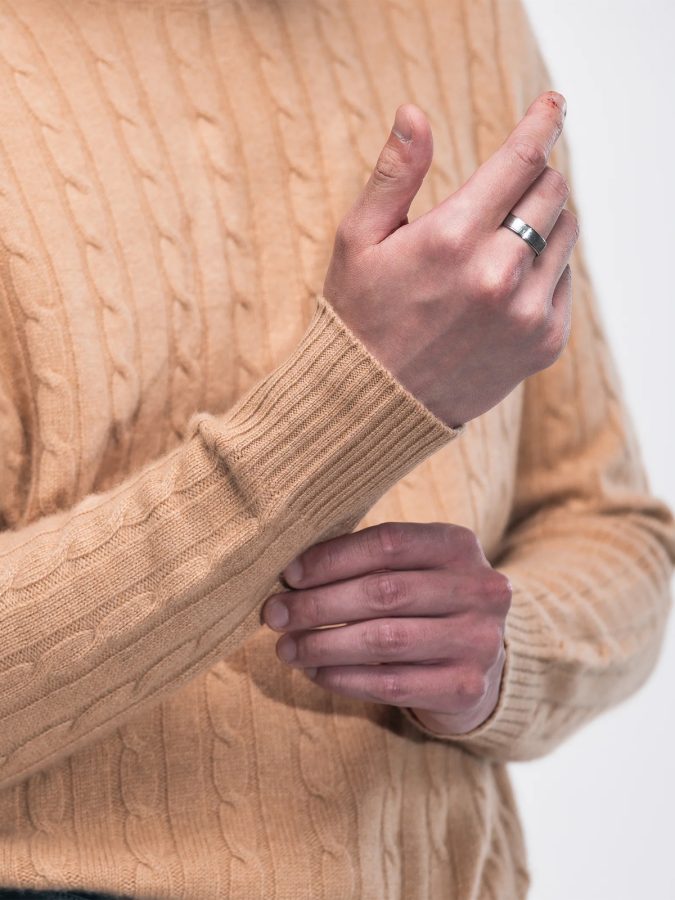
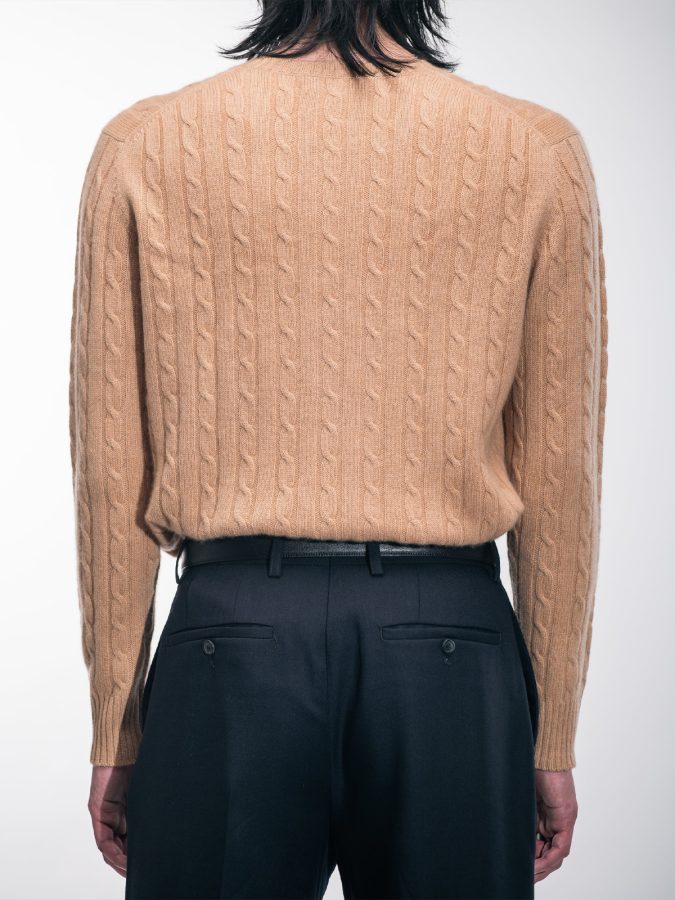
Its first product was a hand-finished, 100 per cent Mongolian cashmere crewneck, priced at CAD $640. It’s not cheap, but that’s the price of doing things right. For Avneet, the goal is not to be the biggest cashmere house in the world or to be beholden to frequent seasonal collections, but rather, a maison that curates a short line of considered pieces.
“A brand puts a name on products,” he says. ”A house builds a world and invites you into it. That is the whole difference to me.”

Crafting a Legacy
Beneath all this talk of fibre, provenance and positioning, there is a unique personal story to House of Aviar. You can’t help but notice how the multi-cultural approach, the sourcing strategy and the creative output seem to mirror Aveneet’s own life story, and he isn’t afraid of admitting as much.
”I don’t think it belongs to one place, and honestly, neither do I,” he says. ”The brand is an extension of me, and I have moved too much to answer “where are you from” in one word.”
In essence, Avneet is exploring the idea that objects can hold memory. Just as that ordinary mall-brand cashmere sweater transported him back home and to the memories of his family, he is hoping his garments might eventually become part of someone else’s story. The business may only be months into its life, but Avneet has already set an ambitious goal; one that can’t be measured in sales figures or spreadsheets.
”The dream is very specific,” he reveals. ”Fifty or sixty years from now, when I am old, someone comes up to me and says their grandson is wearing my crewneck, and that it still holds. That the shoulders are still right, that it still breathes. That would mean we made something that outlasted us, and that a piece of cloth quietly connected three generations. That is the core of House of Aviar, and it is the standard everything gets judged against.”
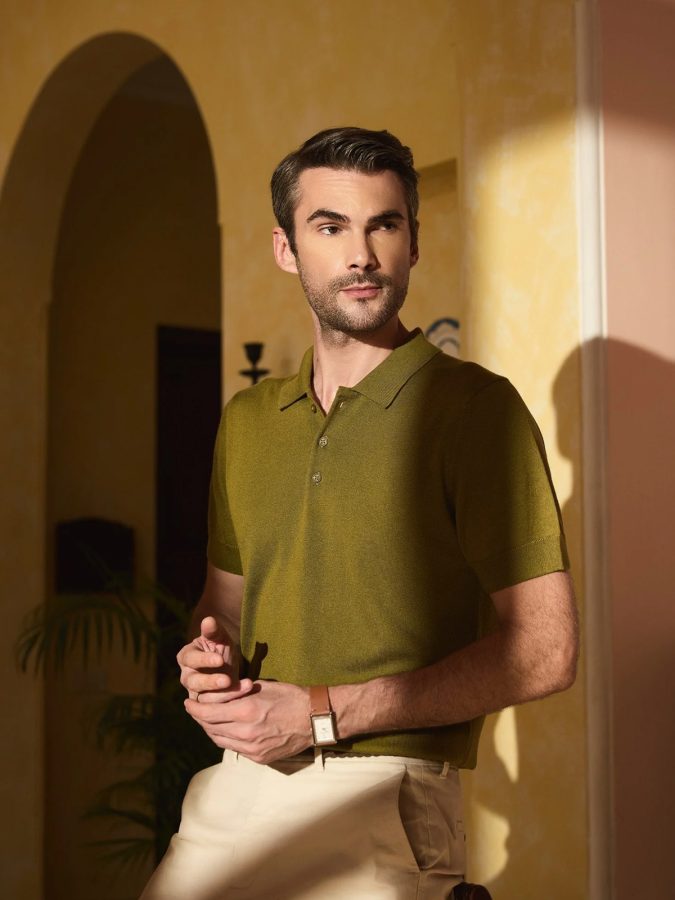
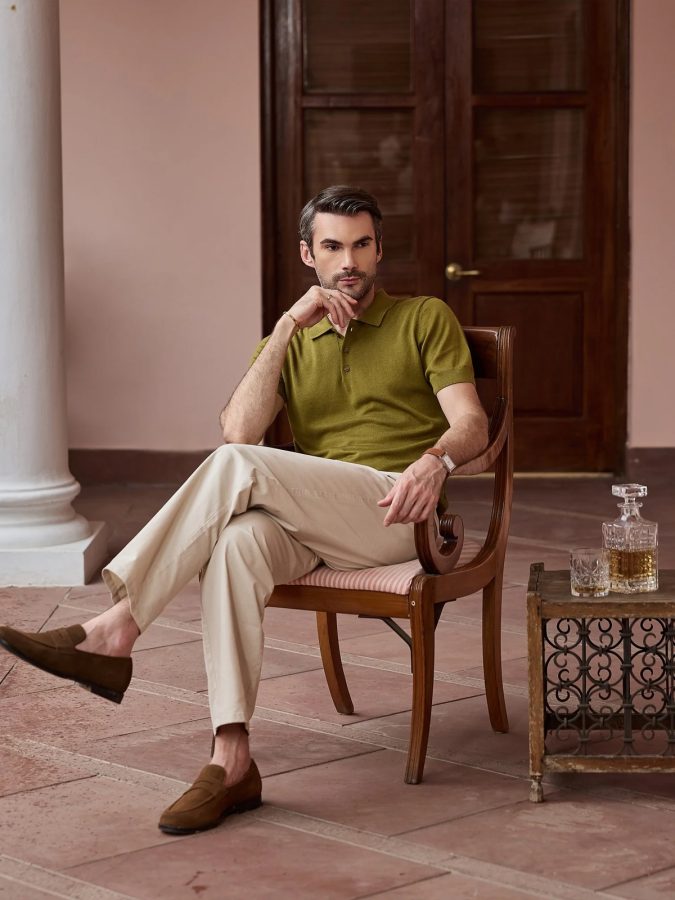
House of Aviar is a Vancouver-based menswear house founded by Avneet Singh, working primarily with Mongolian cashmere. Launched in 2026, the brand focuses on a small collection of carefully made knitwear, beginning with a hand-finished 100 per cent Mongolian cashmere crewneck and expanding into a limited silk-cashmere polo. Sold directly to customers, the house produces its pieces in small runs and places the emphasis on the quality of the fibre, craftsmanship and longevity of each garment.
