








As a full-time travel writer and journalist, planning new trips and researching exciting destinations are two very important elements of my daily routine. I often find myself lost in the world map that sits above my desk, optimistically charting a proverbial course through some faraway land. But as I started to actually plan out my 2026 travel itinerary, it became clear that the future of travel is shifting rapidly.
Economic challenges, geopolitical issues and the rise of slow travel are changing the way that we engage with and experience different cultures and communities. Some changes will be positive, opening the door to new cultural immersion and adventure, while others might face more stringent challenges. To help put my mind at ease and make sense of the ever-changing travel landscape, I turned to the experts.
After speaking with a number of international and domestic travel guides, industry analysts, hoteliers and reporters about what they thought 2026 travel trends would look like, a clear pattern emerged: travellers are no longer chasing novelty for novelty’s sake.

2026 Travel Trends
After years of disrupted movement and hyper-digital discovery, the way we travel in 2026 is becoming more deliberate, more localised and far more personal. People are planning fewer trips, but staying longer, choosing quieter destinations that reward curiosity and subvert crowds.
From slow-burn cities to once-overlooked regions now stepping into the spotlight, travel 2026 is shaping up to be less about ticking boxes and more about meaningful immersion.
Below, I’ll unpack where travellers are heading, how they’re reshaping their journeys, and what these shifts mean for anyone planning to travel smarter, deeper and more consciously in 2026.
1. Slow Travel is the New Luxury
The biggest travel trend for 2026 is the emergence and continued interest in slow travel. After years of compressed itineraries and packed schedules, travellers are embracing quality over quantity. Now or Never Travel‘s Gabriella Horvath is an independent travel advisor who specialises in crafting deeply personalised itineraries. As she explained, slow travel is becoming the new luxury.
“Travellers are moving away from multi-country tours in favour of slower pace, spending a week in one Italian village rather than racing through five cities,“ Horvath said. “This approach allows for authentic connections with local communities and a more restorative travel experience.“
The slow travel experience also allows for greater opportunities for digital nomads. The idea of short-stay living in different cities is proving to be a major drawcard for corporate workers. According to Will Hatton, founder and CEO of adventure, travel and education website, The Broke Backpacker, the next few years are likely to see more workers ditch the desk for a more global approach to work, like that seen with international hotspot Soho House.
“Travelling has undergone many changes over the last decade, and 2026 is no exception,“ Hatton explained. “A trend or style that I believe will take over is slow, purposeful travel. Gone are the days when every detail of your holiday was packed nicely into a bullet point list. The general feeling is that most travellers want to take it slower, stay a little longer, and find more meaning behind their journey. Making places like Vietnam a top travel destination in the year to come.“
“Travel in 2026 is going to look a lot different than in 2025. Travellers are going to stay longer, support local economies (instead of the more ‘bougie’ tourist attractions), and build memories, not just ensuring everything is ticked off on their itinerary.“

2. Longer Stays in One Place
With slow travel becoming a goal for many travellers, the way guests move across cities is also likely to change. In the past, Australian travellers have tried to tick off as many destinations as possible, often spending just a few short days in each location before setting off for another.
According to Aiden Freeborn, senior editor for The Broke Backpacker, 2026 will see more travellers choose a single destination and go deeper.
“I don’t believe we are going to see travellers changing destinations, hopping from one city or country to the next,“ he said. “People are going to spend time in a single place, learning the ins and outs, connecting with the locals, and embracing the culture. In short, travellers will skip the highlights and embrace the nuance that each destination has to offer.“

3. Adventure Travel
In recent years, travel has taken a unique pathway, with more tourists venturing to the great outdoors. We’ve all seen the lineups at Everest Basecamp and on The Dolomites, should it should come as no surprise that adventure travel; whether that is hiking, mountaineering, camping or climbing holidays, are likely to boom again in 2026.
Davide Guzzardi, founder and director of Swiss-based tour operator and guide company Exped Tribe, said that long-distance walking trips, in particular, are surging in popularity. This comes after steady growth in the adventure and outdoor travel market as more tourists look to widen their scope.
“At the moment, we are receiving lots of requests for treks in the Alps over the summer, such as the “Walkers Haute Route” between France and Switzerland, the “4-Springs-Trek” in the Gotthard region, and long-distance thru-hiking adventures around Sarek National Park in Sweden,“ Guzzardi said. “The trend of choosing active holidays and outdoor activities over slow-paced tourism is still in place. Travellers are looking for seclusion, tailor-made experiences and exploration over five-star resorts.“
One point that often goes overlooked, however, is over-tourism. In more remote regions, such as Greenland, Nepal and Bhutan, going viral has been a double-edged sword. Images shared on social media have transformed places like Ilulissat and Machu Picchu into thriving tourism hubs, but the infrastructure and connection hasn’t quite caught up. The good news is that there are still places unspoiled by over-tourism that offer great outdoor activities with next to no crowds.
“We would recommend Asian countries such as Kyrgyzstan, Tajikistan and Kazakhstan, as they are still fairly unspoilt tourist destinations, with unique beauty and a culture that has not yet been affected by mass tourism,“ Guzzardi said. “In these countries, adventure trips live up to their name, and exploration is still possible when venturing out of the main cities.“

4. Guided Walking Trips
While adventure travel will continue gathering steam, a more relaxed version of the outdoor holiday is also expected to thrive in 2026. Guided walking trips are a great way to engage with local communities in a way that feels authentic and real. It’s something that I experienced first-hand on my recent trip to Greenland.
These trips are often held in close-knit groups, giving travellers the opportunity to engage with other guests. By sharing experiences, guests can relinquish control and take part in activities that boost their emotional well-being.
As Brian Raffio, senior travel specialist/coordinator for tour operator and guide company Climbing Kilimanjaro explained, the action itself of going to a mountain top or sitting by the lake is also a physical activity that has a positive impact on health. Many may see it as a way to flex their muscles and get their blood pumping.
“Back in 2022, guided walking trips made waves, as more people sought to take them after being indoors during the COVID-19 lockdowns for months. In 2026, it’s making a comeback, not under similar conditions, but it’s just that many people have realised they need to embrace it as part of their emotional and physical health habits,“ Raffio said.
“Now that some people can work from home, this is one of the popular choices that is left at their disposal if they want to relax for a short time before resuming. No doubt, this kind of walk will trend in 2026.“

5. Anti-AI Travel Planning
As with most things, artificial intelligence (AI) will no doubt play a significant role in the future of travel. AI travel agents and booking systems are quickly becoming commonplace, democratising the often confusing and convoluted planning stage.
But while the use of AI will make some elements easier for the average traveller, there will be pitfalls. As Maggie Turansky, head writer, editor and co-founder of Melbourne-based responsible travel website The World Was Here First explained, mass adoption of AI travel advice may lead to over-tourism.
“As chatbots like ChatGPT gain popularity, it is going to become more commonplace for many, especially younger, travellers to use AI to help get inspiration, map out itineraries and even book their trips,“ Turansky said. “On the other side, I also think that there might be a bit of pushback against the generic advice that’s shilled out by AI chatbots and TikTok creators when it comes to travel.
“More and more people are becoming aware of the pitfalls of over-tourism and are thinking about how to minimise their impact on destinations,“ she continued. “They’re also craving an authentic, human experience that is unique.“

6. Sports Tourism Will Kick Goals
It’s no secret that sports fans will travel to support their team and in 2026, the stakes rise higher. In June, the United States, Mexico, and Canada will jointly host the 23rd FIFA World Cup; the quadrennial international men’s soccer championship.
With a record 48 teams vying for international glory, travellers from all corners of the globe will be attending. According to Reuters, projections put the number of foreign visitors expected to attend the tournament between 1 and 6 million.
Elsewhere, the 2026 Winter Olympics will take place from 6 February at sites across Lombardy and Northeast Italy. Travellers are already gearing up to hit the region, following an incredible few years of tourism growth for The Dolomites.
Visitor numbers for the mountainous region have surged since 2019. South Tyrol even recorded a new all-time high of 37.1 million overnight stays in 2024. With the winter games kicking off in just a few months, records may tumble on and off the track.


7. Secondary Cities on the Rise
While traditional tourist destinations will continue to thrive, new data suggest that secondary cities are on the rise. The 2026 Travel Outlook Report from digital platform Agoda revealed that accommodation searches in secondary cities across Asia have grown 15 per cent faster than in traditional tourism hubs over the last two years.
According to Andrew Smith, senior vice president of supply at Agoda, the growth reflects travellers’ strong desire for value, with 43 per cent citing lower costs as their top reason to explore these destinations.
“Secondary cities are no longer hidden gems. They’re becoming the engine of travel growth across Asia,“ Smith said. “Travellers want authenticity, value and a sense of discovery that the major hotspots cannot always deliver. This shift unlocks real opportunity for local communities and for the partners who move early.“
With secondary locations gathering steam, you should consider if different destinations could better suit your needs in 2026. Rather than focusing on Paris, Rome or Iceland, expand your search to include regions that are quickly developing tourism activations. Governments in Thailand, Indonesia, Malaysia, Japan and India, for example, are actively expanding access to more destinations through targeted campaigns and infrastructure improvements.

8. Longevity and Wellness
On the luxury front, 2026 will see travel take a more relaxed approach. According to recent data from Marriott International’s Luxury Group, which looks after brands like the Ritz-Carlton, St. Regis Hotels & Resorts and W Hotels, longevity will play the most significant role in the new age of luxury travel.
In its 2026 trends report, the group explained that what was once about relaxation has become a deliberate pursuit of vitality, clarity and long-term wellbeing. Today’s luxury guests are seeking rituals and treatments that help them feel more present; from biohacking practices like cold plunges and red-light therapy to ancient healing traditions that restore balance and intention.
“Luxury has evolved from being about the things you have to how you feel,“ Tina Edmundson, president of luxury at Marriott International said. “Today travellers are seeking experiences that balance personal wellbeing with a sense of connection and discovery and enrich their lives long after they’ve left a destination.“

9. Connection
As a publication that focuses entirely on human connection and craftsmanship, I was excited to see so many travel experts point to connection as a key trend for 2026.
Travellers are increasingly seeking experiences that bring them closer to local people, allowing them to experience these first-hand. Simple activities like a meal with a host family or local craft class provide the opportunity to make a lasting memory.
This trend is also reshaping how travellers choose destinations and experiences. In 2026, smaller towns will emerge as drawcards as travellers look to escape the hustle of the big city. Digital fatigue has played its part too; many travellers are deliberately unplugging, prioritising face-to-face connection over constant documentation.

10. Sustainability and Accountability
Justin Crabbe, CEO and founder of on-demand charter company Jettly explained that as the impact of climate change becomes more evident, travellers will increasingly demand transparency.
“Travellers will want accountability,“ Crabbe said. “They will check airline sustainability claims closely. Many will choose carriers that invest in cleaner fuels. This is not performative, it is becoming a booking criterion.“
Additionally, Crabbe indicated that premium economy is here to stay. The flight expert revealed that while travellers are always seeking comfort, most simply don’t want the excess of business class. As a result, you can expect to see more airlines invest heavily in the cabin that generates profit. That means leveraging value, as we saw in our report on the cheapest places to fly from each Australian state.

11. Authentic Accommodation
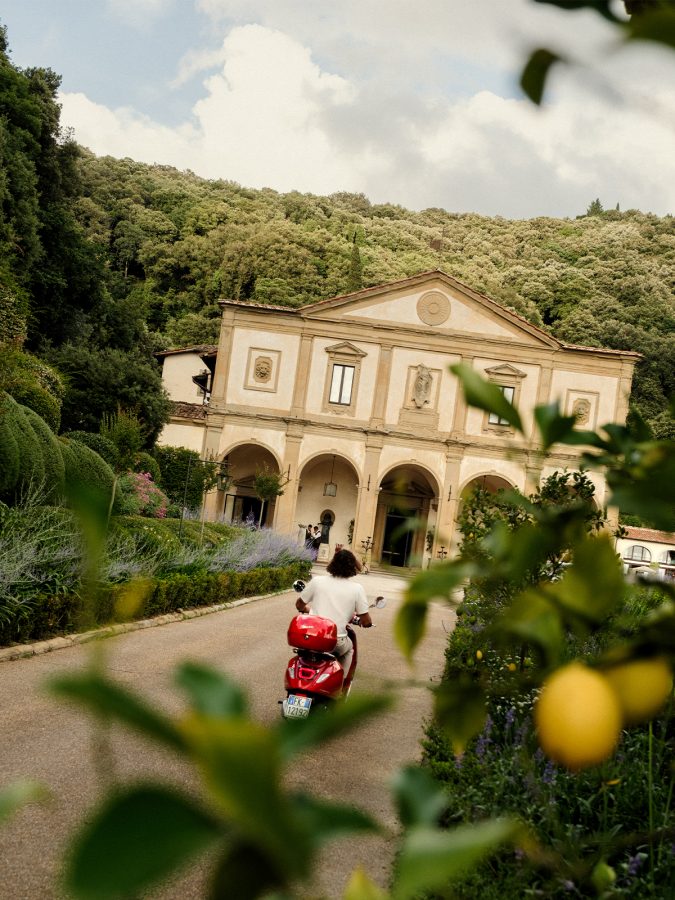
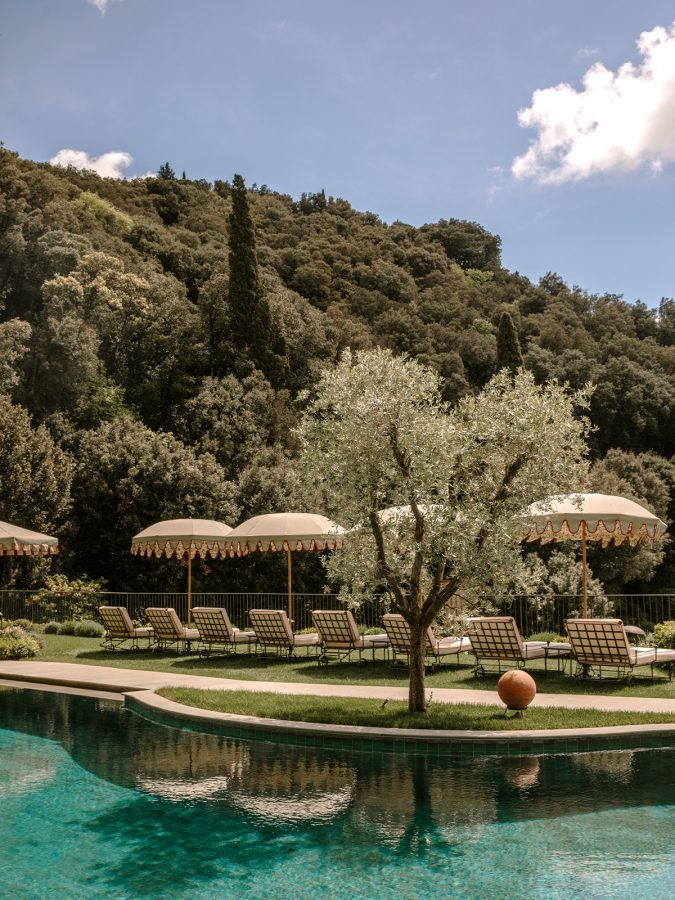
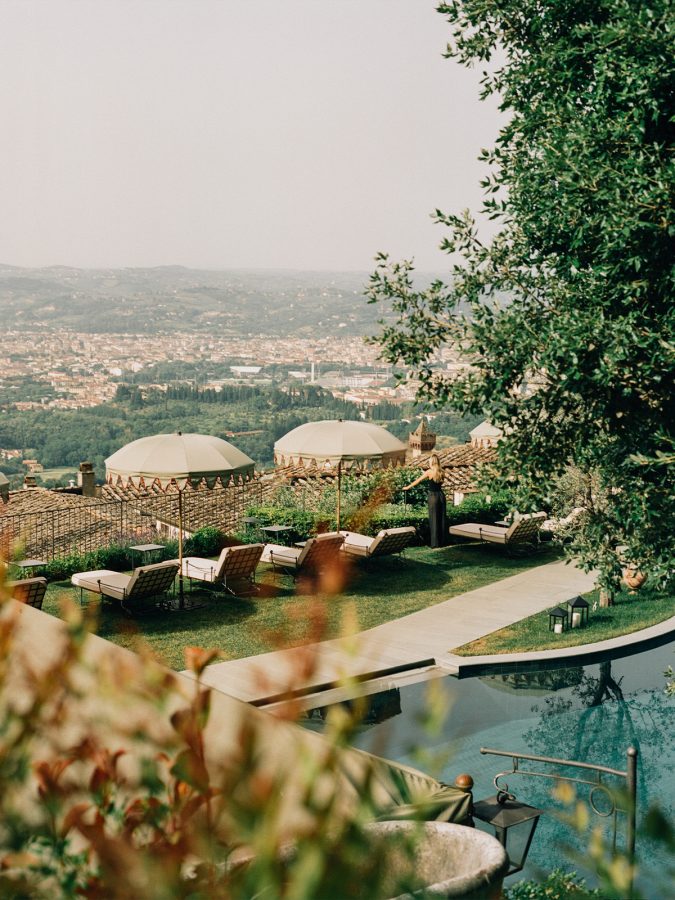
As travellers move away from multi-country tours in favour of slower-paced journeys, authentic connections and experiences, like those seen at Belmond Villa San Michele or Villa Timeo become even more popular. As Horvath explained, that mindset is pushing travellers beyond headline destinations and into new and exciting places. Here, guests can still enjoy the best hotels in the world, unique resorts and accommodation.
“Accommodations are becoming more intimate and distinctive,‘ she said. “There’s a preference for boutique hotels, agriturismos, and homestays that offer genuine local character over predictable chain properties. Travellers want to feel like temporary residents, not tourists. These trends reflect a broader desire for meaningful, sustainable travel that benefits local economies and creates lasting memories rather than just checking boxes.“
Nowhere is this evolution more evident than in Africa. While classic safari routes still hold appeal, this kind of travel is opening new doors.
“While Kenya and Tanzania are still popular, travellers are discovering Rwanda’s Virunga Mountains, Zambia’s remote walking safaris, or Namibia’s community conservancies,“ the travel expert said.
“There’s a shift toward longer stays in fewer camps, allowing time to truly absorb the landscape and wildlife rhythms. Accommodations reflect this desire for authenticity—small owner-operated safari camps with genuine conservation missions, beachside bandas in Mozambique run by local families, or cultural homestays in Ethiopia’s Omo Valley.“

12. Personalised Experiences
Following the line of thinking, 2026 will also see travellers prioritise personalised experiences. More bespoke offerings are likely to pop-up, all designed around how people actually want to travel. Whether it’s flexible schedules to tailored accommodations and private, interest-led excursions, personalisation is shaping as the new luxury.
As Exped Tribe’s Guzzardi explained, travellers are no long looking for cookie-cutter options. Tourists want to experience something unique, authentic and unforgettable.
“We believe that tailor-made trips are the future of modern travel for upcoming generations who demand unique experiences,“ the adventure and expedition expert said. “We believe that, in the future, travellers will be more attracted to unique, curated adventures and trips than to mass trips. Therefore, tour operators and outfitters will need to adapt rapidly by designing new destinations, trip types and formats.“

The Future of Travel
In speaking with so many experts and analysts, it’s clear that 2026 will be a unique year for global travel. What surprised me most was how dramatically the priorities are shifting. The growing appetite for wellness-led journeys, outdoor adventure and experiences that improve both physical and mental health is completely changing the way guests engage with the local community. Hiking, trail running and fitness-focused travel are no longer niche.
At the same time, travellers are becoming more strategic, planning trips around shoulder seasons, climate considerations and value-driven experiences. Increasingly, when and how you travel will ultimately define what you take away from it.
Travel Trends 2026 FAQ
The best places to travel in 2026 include Fès in Morocco, Patagonia, Slovenia and Tallinn in Estonia. This is due to a rise in affordable accommodation and increased government spending in infrastructure. For sports fans, Mexico, Canada and the United States will offer experiences for the 2026 FIFA World Cup. Meanwhile, the 2026 Winter Olympics will take place in Italy in February.
Typically, shoulder seasons (spring and autumn) are the best times to travel. This is because there are fewer crowds and lower costs, especially in Europe. That being said, some specific months depend on your destination. Consider the events and cultural seasonal activities taking place in your desired location. If you are thinking about visiting Japan, for example, consider going in autumn during the foliage season.
Slow travel is an intentional, immersive style of exploring the world that sees guests focus on quality over quantity. With slow travel, guests generally stay in one place for an extended period of time, embracing the local culture. This form of travel is focused on forming deeper cultural connections and supporting local communities. Traveling at a relaxed pace can also reduce environmental impacts.
In 2026, luxury travel will focus on meaningful, immersive experiences that prioritise slow travel and cultural connection. Luxury travel operators are increasingly offering wellness packages, private transport options and digital detoxes. Expect to see slower, more intimate travel dominate the luxury market in 2026 and beyond.


Am happy to share this moment of my life,having no longer worried about how to pay bills, as i have been settled for life. A lot has been said about ATM hacking and blank cards for cash withdrawal but it all seemed like a myth to me until i eventually lost my job a few months back and everything seemed to be moving backwards. I went online in search of jobs and means for financial survival and then i found comments about BLANK ATM CARD from webmaster hackers and how they deliver this card in less than 4 days with no risk involved and a far much lesser price compared to what the card itself can give you, i then made contact and purchase one from them with almost my last money, I took the risk and in exactly 4 days later, my card and a manual was delivered to my home address here in Norwalk, at first I was skeptical, then the following day, i used the card and was able to take out $5,000 and that’s my daily withdrawal limit, meaning everyday i pull out $5,000 daily from the ATM machine without being denied or traced,it has been just 3 weeks and my life has taken a new shape. I simply want to say thank you to webmaster hacking group,i promise to share the good news to those in financial difficulty or looking for financial stability. If you are in need of this card contact them via email webmasterforyou247@gmail.com for the card. Thank you
HAVE YOU LOST A FORTUNE TO ROMANCE SCAM, CRYPTOCURRENCY INVESTMENT FRAUDSTERS, PIG BUTCHERING HOAX, PHISHING LINKS & ET CETERA ? HERE COMES REDEMPTION WITH EMERALD HACKS….SCHEDULE A CONSULTATION WITH AN EXPERT TODAY.
Emeraldhacks was founded by a small group of blockchain analysts and financial-crime investigators who spent years building tracing tools for exchanges and law enforcement. We saw the same pattern too often: a victim reports a scam, and the trail goes cold because no one follows it fast enough.
We built Emeraldhacks to close that gap. Every case is handled by an analyst, not a call-center script — and every case gets an honest read on whether recovery is realistic before you spend a dollar.
Explore our website below to get started-
emeraldhacks(.)netlify(.)app
Email- emeraldhacks (.) org (@) gmail (.) com
Be alert for fake hackers, stay vigilant.